
Natural Dye Printing: Turn Foraged Plants into Wearable Art
That avocado pit isn't trash—it's your next textile masterpiece.
About This Quest
Extract pigments from plants, flowers, and kitchen scraps to create unique patterns on fabric using contact printing and eco-friendly dye techniques.
Natural dye printing transforms yard weeds, grocery scraps, and garden flowers into permanent fabric designs. You're not following patterns—you're capturing the exact shape of an oak leaf or rose petal in rust-colored tannins and vivid yellows. The unpredictability is the point. Onion skins turn cotton a deep amber. Avocado pits create dusty pink. Black beans make cerulean blue. The process works through contact printing: you sandwich plant material between fabric layers, steam or simmer the bundle, and the pigments transfer directly. Pre-treating fabric with a mordant (metal salt solution) makes colors permanent and washing-safe. Some plants stain immediately. Others need heat. A few require iron to darken. You'll learn by doing, keeping notes on what worked. This isn't a craft kit hobby. You're building practical knowledge about plant chemistry while producing one-of-a-kind textiles. Each piece shows the actual cellular structure of the plants you used. The stains won't fade after three washes like commercial prints. You've chemically bonded organic pigments to fiber. Wear your experiments or frame them. Either way, you made something that didn't exist before using materials most people throw away.
Why This Quest Matters
You'll own textiles that show the exact vein structure of the maple leaf you pressed or the concentric rings of a sliced onion—patterns no machine can replicate. Each piece is a permanent record of a specific plant on a specific day, and it won't fade after three washes. You've learned practical chemistry while creating wearable proof that beauty hides in compost bins and sidewalk cracks.
What You'll Experience
- Which kitchen scraps and yard weeds yield the most vibrant, permanent dyes
- How mordants and metal salts chemically bond plant pigments to fabric
- The patience to let oxidation develop colors over 24 hours instead of forcing instant results
- How to read a fabric's reaction and adjust heat, time, or iron for darker tones
- That unpredictability isn't failure—it's the signature of natural processes
What You'll Need
Top gear to make this quest great.
Pull it off
Alum Powder (Aluminum Sulfate)
Creates chemical bond between plant pigments and fiber, making colors permanent and wash-resistant instead of temporary stains
Get on Amazon · $11.99 — Alum Powder (Aluminum Sulfate)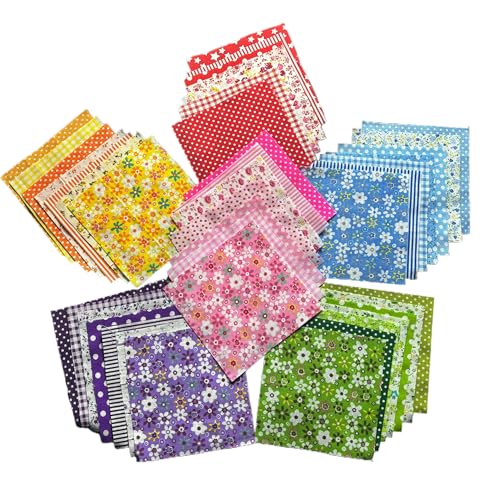
Natural fibers accept plant dyes better than synthetics; having multiple pieces lets you test different techniques and plants in one session
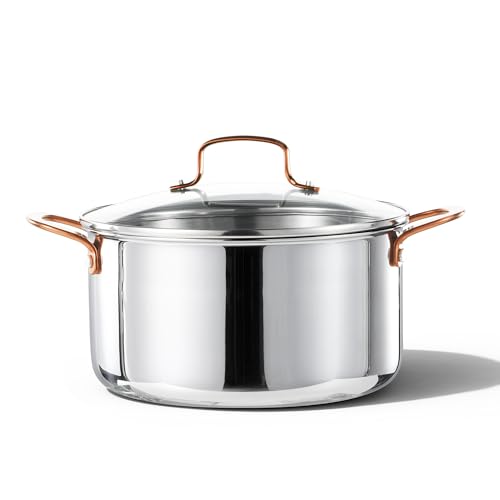
Stainless steel won't react with dyes or mordants; aluminum and cast iron contaminate colors and create unwanted chemical reactions
As an Amazon Associate I earn from qualifying purchases. Prices may change.
Step-by-Step Guide
Scavenge plants and prep mordant
Raid your kitchen scraps and yard for onion skins, avocado pits, coffee grounds, ferns, oak leaves, marigolds—anything with color. Dissolve 1 part alum in 16 parts water in a stainless pot, add pre-washed natural fabric (cotton, linen, or silk), and simmer for an hour. Let it cool in the solution, then rinse and dry. This metal salt treatment is what makes your dyes permanent.
💡 Pro Tips:
- • Collect triple what you think you need—pigment density matters
- • Skip synthetic fabrics; mordant only bonds to natural fibers
Compose your print sandwich
Lay your mordanted fabric flat and arrange plant materials on one half—overlapping leaves, scattered petals, geometric grids of onion skin. Fold the fabric over to trap everything between layers, then roll tightly and bind with twine or rubber bands to keep contact firm.
💡 Pro Tips:
- • Press delicate flowers flat first or they'll shift during steaming
Extract pigment through heat or time
Submerge your bundle in a pot of water and simmer on low for 1-2 hours, keeping it covered. For fragile flowers, use a steam basket instead. For a cold-process experiment, seal the bundle in a bag with weight on top and wait 24-48 hours. The longer it sits, the deeper the stain.
💡 Pro Tips:
- • Check water level halfway through—don't let the pot boil dry
Unwrap and let colors develop
Open the bundle while damp and peel away plant debris. Turmeric and onion skins will scream color immediately. Others—like avocado pits—need air exposure to oxidize. Hang the fabric and watch dusty pinks and grays emerge over the next 24 hours.
💡 Pro Tips:
- • For darker, moodier tones, dip printed areas in iron solution (rusty nails soaked in vinegar) to react with tannins
Heat-set and test durability
Once bone-dry, iron the fabric on high for 3-5 minutes or tumble it in a hot dryer for 30 minutes to lock the dye chemically. Then hand-wash in cold water with pH-neutral soap. If colors bleed, repeat heat-setting or increase mordant time on your next batch.
Gear Up for Your Quest
The gear that makes this quest work.
Pull it off

Alum Powder (Aluminum Sulfate)
Creates chemical bond between plant pigments and fiber, making colors permanent and wash-resistant instead of temporary stains
Get on Amazon · $11.99 — Alum Powder (Aluminum Sulfate)details & deals →+ complete the kit — 3 more

Natural fibers accept plant dyes better than synthetics; having multiple pieces lets you test different techniques and plants in one session
Pre-cut cotton, linen, or silk squares in various sizes for printing experiments
Get on Amazon · $6.85 — Natural Fiber Fabric Bundledetails & deals →
Stainless Steel Dye Pot
EssentialStainless steel won't react with dyes or mordants; aluminum and cast iron contaminate colors and create unwanted chemical reactions
Large stainless steel stockpot dedicated to dyeing (don't use for food after)
Get on Amazon · $29.98 — Stainless Steel Dye Potdetails & deals →
Botanical Dye Journal
RecommendedTrack which plants, mordants, and methods produced which colors so you can replicate successes and avoid repeating failures
Waterproof notebook with sample fabric swatches attached to record dye recipes and results
Get on Amazon · $12.95 — Botanical Dye Journaldetails & deals →RELATED GEAR GUIDE
Phone Photography Kit: 9 Picks for Better Shots
Field-tested picks · Creative Arts
As an Amazon Associate, IRL Sidequests earns from qualifying purchases at no extra cost to you.
Prices and availability are subject to change. The price shown at checkout on Amazon at the time of purchase will apply.
Editor's Picks
Hand-selected quests our team thinks you'll love

Dawn Patrol: Your First Bird Watching Adventure
Wake up with the birds and see your neighborhood through new eyes.

Creative Skills Quest Hub: Learn By Doing
The best way to learn creative skills? Make bad art until it gets good.

Hand-Built Ceramic Bowl Workshop
Your hands built the first bowls 20,000 years ago. They still can.