A structured 100-day challenge to learn 10 practical micro-skills through deliberate practice. Track progress, build consistency, and develop abilities you'll actually use.
Most people dabble. They watch a YouTube tutorial, try something once, then abandon it when the dopamine hit fades. This quest flips that script. You're committing to 100 days of deliberate practice across 10 different micro-skills—abilities small enough to practice in 10 minutes but valuable enough to use for life.
The structure is simple: 10 days per skill, rotating through your chosen set. Day 1-10, you're sharpening knives. Day 11-20, you're learning basic lock picking. Day 21-30, you're practicing one-match fire starting. The rotation keeps your brain engaged while the repetition builds actual competence. By day 100, you've logged 100 practice sessions across skills most people only think about learning.
This isn't about becoming a master—it's about crossing the threshold from 'I don't know how' to 'I can do this.' The difference between zero ability and basic competence is massive, and it happens faster than you think when you show up daily. Track your progress visually, document your mistakes, and watch your capability stack grow. These aren't party tricks; they're the quiet confidence of knowing you can handle small problems without YouTube open.
Why This Quest Matters
The gap between zero ability and basic competence is enormous, and it closes faster than you think with daily practice. By Day 100, you'll carry the quiet confidence of someone who can handle small problems without pulling out their phone. You're not building party tricks—you're proving to yourself that you can build skills, period.
What You'll Experience
10 practical micro-skills you can actually use
How to build habits through streak-based accountability
The spacing effect: why rotating skills beats cramming one
How to practice deliberately in tight time windows
That crossing from 'I don't know how' to 'I can do this' takes less time than you thought
What You'll Need
Top gear to make this quest great.
Pull it off
Interval Timer with Vibration Alert
Audio alerts disrupt flow state; vibration keeps you aware of time without breaking concentration. The visual countdown also creates urgency that improves focus during practice sessions.
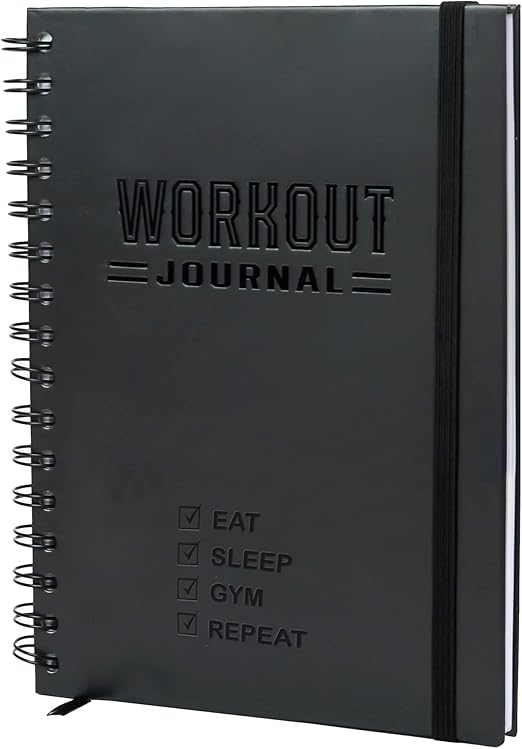
Digital tracking loses tactile satisfaction. Physically marking off completed sessions triggers reward response. The act of writing daily observations also forces active reflection rather than passive logging.
As an Amazon Associate I earn from qualifying purchases. Prices may change.
Step-by-Step Guide
1
Pick 10 micro-skills and set up
Choose 10 skills that mix manual dexterity (juggling, lock picking), survival basics (fire starting, knot tying), practical trades (knife sharpening, basic sewing), and creative techniques (hand lettering, origami). Each must be practicable in 10 minutes with minimal setup. Clear a dedicated practice station where your current skill's tools stay visible and ready.
💡 Pro Tips:
• Lower friction wins—if you need to dig tools out of a closet, you won't practice
• Mix categories so your brain stays engaged across the 100 days
2
Create your 10×10 tracking grid
Draw or print a grid with 10 columns (one per skill) and 10 rows (one per day of practice). Color in each square as you complete a session. This visual map becomes your accountability system—blank squares will bother you after week two.
💡 Pro Tips:
• Hang the grid somewhere you see it multiple times daily
3
Practice Skill #1 for 10 days straight
Set a timer for exactly 10 minutes. Stop when it rings, even mid-attempt—the discipline is in the boundary. Document one specific thing you learned or struggled with each day. These notes reveal patterns invisible during practice.
💡 Pro Tips:
• Record yourself on Day 1 and Day 10—the progress feels invisible daily but the videos show massive improvement
4
Rotate skills every 10 days
On Day 11, switch to Skill #2. Continue this 10-day rotation through all skills. Your hands will remember each skill even after the break—spacing effect beats cramming. The rotation prevents burnout and keeps sessions fresh.
💡 Pro Tips:
• Spend 20 minutes every 10 days reviewing your notes for the completed skill—this metacognition accelerates learning more than extra practice time
5
Don't break the streak
Practice daily without exception. A sloppy 10 minutes beats zero minutes. If you miss a day, do two 10-minute sessions the next day—one for the missed skill, one for today's. The magic lives in the streak, not individual sessions.
6
Do a Day 100 showcase
Demonstrate all 10 skills in sequence, filming or performing for a friend. This capstone transforms the challenge from personal project to concrete achievement. Afterward, maintain 2-3 skills you enjoyed most with weekly practice—let the others fade knowing you can relearn them anytime.
💡 Pro Tips:
• Watch your Day 1 and Day 10 videos back-to-back for each skill—you'll remember this more than most events this year
Audio alerts disrupt flow state; vibration keeps you aware of time without breaking concentration. The visual countdown also creates urgency that improves focus during practice sessions.
Each skill needs its own minimal equipment. Having dedicated practice tools prevents the 'I need to buy something' excuse and ensures consistent training conditions across all 100 days.
Basic tools for your chosen 10 skills—transparent practice locks for lock picking, quality sharpening stone, fire starter kit, juggling balls, basic origami paper, etc.
Digital tracking loses tactile satisfaction. Physically marking off completed sessions triggers reward response. The act of writing daily observations also forces active reflection rather than passive logging.
Dot grid notebook specifically for daily skill notes and your 10x10 tracking grid
Weekly time-lapse reviews reveal technique improvements invisible in the moment. Watching your hands solve a lock 50% faster by day 10 provides motivation that raw numbers can't match.
Phone tripod with intervalometer app or small action camera for documenting practice sessions
Grab a friend, a handful of dice and a stack of pocket cards, then let the roll decide what you do next. You write the options, the dice pick one, and you go. Each outing takes 15 to 30 minutes, and arguing with the dice is not allowed.
Turns out you're excellent company. Let's prove it.
Ever talked yourself out of a movie, a meal or a trip because nobody was free? Over three or four weeks, you'll work through six easy solo missions, from a twenty-minute bench sit to a day trip in a town you've never seen, and find out how good your own company is.
10 hours total (split into 20-minute to 2-hour sessions over 3-4 weeks)SoloGear from $6
Your shoulders have been waiting all day for this.
Been at the screen so long your shoulders have opinions? Give yourself twenty minutes and a handful of tiny moves: shoulder rolls, a long look at the farthest thing you can see, a stretch over your own desk, and one wobbly minute balancing on one foot.