Stop scrolling, start exploring—here's how to find adventures you'll actually do.
A systematic approach to discovering and planning real-world activities based on your interests, time, and location using proven exploration techniques.
Most people want to do more interesting things but get stuck at the discovery phase. You scroll past hundreds of generic listicles about "top things to do" that sound like every other city's tourist trap rundown. This quest teaches you the Discovery Wheel method—a practical system used by experience designers and urban explorers to systematically find activities that match your actual interests, schedule, and skill level. You'll build a personal discovery toolkit combining analog mapping (yes, physical maps still work better for spatial thinking), digital research techniques, and community intelligence gathering. The goal isn't to find one perfect activity—it's to create a renewable pipeline of possibilities. You'll learn to identify micro-communities around specific interests, decode event calendars for hidden gems, and use geographic clustering to batch adventures efficiently. This isn't about adding more noise to your feed. It's about creating a filtering system that surfaces the 5-10 activities per month that genuinely interest you, then giving you a decision-making framework to actually commit. The people who do this consistently report trying 2-3 new activities monthly instead of thinking about it and doing nothing.
Print or buy a detailed street map of your area (15-mile radius). Digital maps make you zoom too much—you need the full spatial context visible at once. Tape it to a wall or lay it flat on a table you pass daily.
Create your Interest Matrix: Draw four quadrants labeled Physical, Creative, Social, and Learning. In each, list 5 specific sub-interests (not broad categories). Instead of 'art,' write 'printmaking' or 'urban sketching.' Be specific—specificity drives discovery.
Spend 30 minutes on targeted research: For each specific interest, find ONE active local group, venue, or practitioner. Check Facebook groups, Meetup, Eventbrite, library calendars, community college courses, shop bulletin boards, and local subreddits. Write each on a sticky note with contact info.
Map your finds: Place sticky notes on your wall map at their physical locations. You'll immediately see geographic clusters (the art district you didn't know existed) and dead zones (neighborhoods where you have zero mapped interests yet).
Set up three alert systems: Google Alerts for your specific interests + your city name, join 2-3 Discord/Slack communities related to your interests, and follow 5-10 local practitioners on Instagram. The goal is passive intel gathering—let opportunities come to you between active searches.
Build your Monthly Shortlist ritual: First Sunday of each month, spend 20 minutes reviewing your alerts, checking the calendars of your mapped venues, and browsing your community groups. Add 8-10 possibilities to a running list with dates and commitment levels (drop-in vs. registration required).
Apply the 3-2-1 commitment rule: From your shortlist, pre-commit to 3 free/low-cost activities, 2 medium-investment activities (paid classes, day trips), and 1 stretch activity that scares you slightly. Block them in your calendar immediately—vague intentions die.
Track your hit rate: After each activity, spend 2 minutes noting whether it was worth your time. If you're batting below 50% satisfaction, your filtering needs adjustment. If above 80%, you're playing too safe—add more stretch activities.
Refresh your discovery zones quarterly: Every 3 months, pick one geographic dead zone on your map and spend an afternoon there deliberately. Walk a new neighborhood, visit a community center, browse a specialty shop. Update your map with new discoveries.
Get everything you need to make this quest amazing.
Physical maps provide superior spatial context compared to digital—you can see patterns, clusters, and dead zones at a glance without zoom fatigue. Essential for the geographic clustering technique.
Detailed street map of your metro area, at least 24x36 inches, showing neighborhoods and landmarks
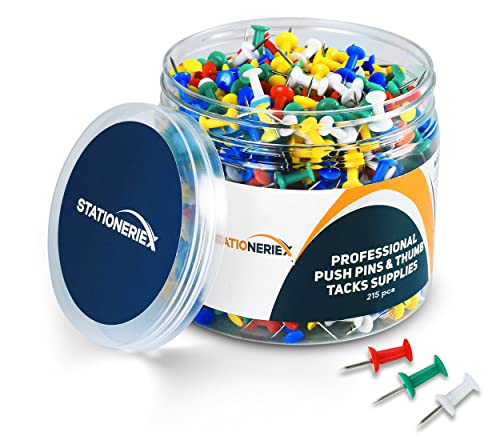
Color-coding by activity type or priority level lets you spot patterns and plan geographically efficient adventure clusters. Makes the system visual and engaging.
Set of 100+ pushpins in 4-5 colors or magnetic markers if using a metal-backed map
Consolidates your discovery alerts into a single weekly digest instead of notification overload. Connects Facebook events, Eventbrite, RSS feeds, and email newsletters into one scannable email.
Automation platform that can aggregate alerts from multiple sources into one digest
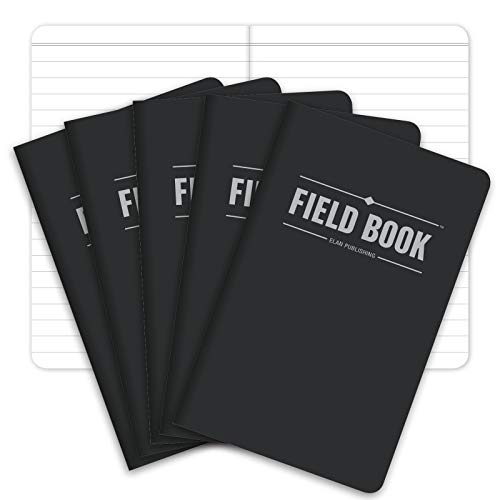
When you stumble on interesting venues, events, or people during your daily life, capturing them immediately increases follow-through by 60%. Phone notes get buried—physical cards go straight to your map.
Small notebook or pack of 100 index cards for capturing discoveries on-the-go
As an Amazon Associate, IRL Sidequests earns from qualifying purchases at no extra cost to you.
Prices and availability are subject to change. The price shown at checkout on Amazon at the time of purchase will apply.
Hand-selected quests our team thinks you'll love

That cracked sidewalk planter doesn't need to stay dead—fill it with wildflowers at 2AM and watch neighbors smile for months.

The best community connections start with showing up, not screens.

The best dinner parties end with everyone leaving smarter than they arrived.