
Map Your Neighborhood's Ghost Signs
Those faded paint ads on brick walls are disappearing faster than you think—here's how to find and preserve them before they're gone.
About This Quest
Hunt down fading painted advertisements on old brick buildings and create a visual archive of your neighborhood's commercial history.
Ghost signs—those weather-beaten painted advertisements on old brick buildings—are urban fossils. They advertise businesses that closed decades ago, products nobody makes anymore, and phone numbers with just four digits. Most people walk past them daily without a second glance, but they're vanishing under fresh paint, demolition, and weather erosion. The hand-lettered Coca-Cola ad from 1947 you ignore today might be sandblasted away next month. The best hunting grounds are pre-1960s commercial districts that fell into disrepair and skipped the renovation boom. Look for three-to-five-story brick buildings with exposed side walls—those blank party walls that faced adjacent buildings now demolished. Morning light, around 8-9 AM, brings out the faint texture differences in aged paint layers. You're not just taking photos; you're doing visual archaeology. That barely-visible "BAKERY" you can only see when the sun hits at the right angle? That's a business your great-grandparents might have visited. The documentation process matters. A GPS-tagged photo captures where. A reference shot showing the whole building provides context. Close-ups reveal painting techniques—notice how they mixed colors directly on the wall, creating textures a modern vinyl sign can't replicate. Check city directories from the painted era (many libraries have digitized these) to confirm what business occupied that address. Sometimes you'll discover the sign advertised a product manufactured two blocks away, revealing hyperlocal supply chains that don't exist anymore.
Why This Quest Matters
You're creating a visual archive of businesses your grandparents patronized, products nobody manufactures anymore, and hand-painted craftsmanship that can't be replicated. That Coca-Cola ad you photograph today might be sandblasted under fresh paint next month—your documentation becomes the only proof it ever existed.
What You'll Experience
- How to read faded paint layers like an urban archaeologist
- Which lighting conditions and weather reveal hidden signage
- How to date vintage advertisements using historical city directories
- The hand-painting techniques that created textured advertisements impossible to reproduce today
- How pre-1960s neighborhoods functioned as hyperlocal commercial ecosystems
What You'll Need
Top gear to make this quest great.
Pull it off
Circular polarizing filter for smartphone
Cuts window reflections and enhances faded paint contrast by reducing atmospheric haze—makes barely-visible ghost signs 40-50% more readable in photos by eliminating surface glare on old brick
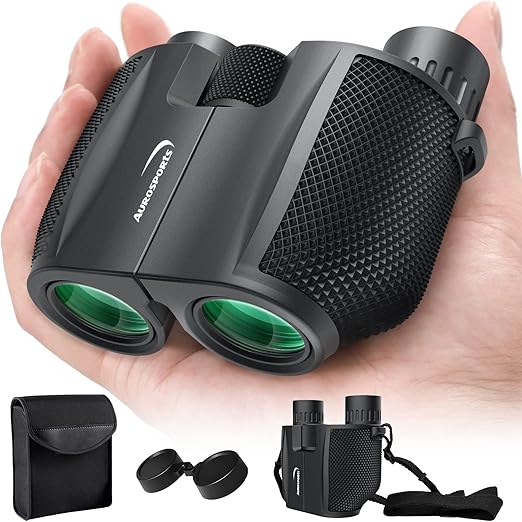
Lets you read faded text on signs 30-50 feet up without trespassing or dangerous positioning—spot details invisible to naked eye like old phone numbers or product illustrations

Captures entire tall buildings from narrow streets where you can't back up far enough—essential in dense urban areas where buildings crowd together
As an Amazon Associate I earn from qualifying purchases. Prices may change.
Step-by-Step Guide
Scout walls on Street View first
Zoom in on pre-1960s brick buildings with exposed side walls—those blank party walls where adjacent buildings once stood. Look for faint rectangular shapes or color variations that hint at painted ads underneath decades of weathering.
💡 Pro Tips:
- • Three-to-five-story commercial buildings in formerly bustling districts are your best targets
- • Side walls facing demolished lots usually have the most visible ghost signs
Walk streets during morning light
Hit the pavement between 7-10 AM when angled sunlight reveals texture differences in aged paint layers. That barely-visible lettering invisible at noon suddenly appears when morning rays graze the brick at the right angle.
💡 Pro Tips:
- • Bring polarized sunglasses to cut window reflections when scanning facades
- • Rain temporarily darkens brick—return 20-30 minutes after rainfall to see faded signs pop
Photograph with three-shot system
Capture each sign three ways: wide establishing shot showing the whole building and cross streets, medium shot of the complete sign, tight detail shot revealing paint texture and hand-lettered techniques. The three-angle approach preserves both context and craftsmanship.
💡 Pro Tips:
- • Notice how painters mixed colors directly on the wall, creating textures modern vinyl signs can't replicate
Record precise location details
Log GPS coordinates, exact street address, and which wall face (north/south/east/west) hosts each sign. Sun exposure ages different walls at dramatically different rates—that south-facing sign might be gone while the north-facing one lasts another decade.
Date signs using historical directories
Cross-reference painted business names with city directories from your library's local history section or digitized newspaper archives. Matching "Johnson's Bakery" to a 1938 directory listing reveals when that sign was painted and what your great-grandparents saw walking these streets.
💡 Pro Tips:
- • Some signs advertised products manufactured two blocks away—hyperlocal supply chains that vanished generations ago
Map and share your findings
Plot all documented signs on Google My Maps or Felt, including photos and historical notes for each pin. Share your map with local historical societies and ghost sign tracking communities—your photos become the permanent record when demolition crews arrive.
💡 Pro Tips:
- • Revisit particularly faded signs across different seasons—changing light and weather make some signs visible only certain times of year
Gear Up for Your Quest
The gear that makes this quest work.
Pull it off

Circular polarizing filter for smartphone
Cuts window reflections and enhances faded paint contrast by reducing atmospheric haze—makes barely-visible ghost signs 40-50% more readable in photos by eliminating surface glare on old brick
+ complete the kit — 3 more

Gaia GPS or StreetComplete app
EssentialPopularPrecisely logs sign locations with coordinates, lets you drop custom pins with photos and notes, and works offline in areas with poor cell coverage—exports data for sharing with historical societies
GPS mapping apps with offline capability and custom layer support

Pocket binoculars (8x25 or 10x25)
RecommendedLets you read faded text on signs 30-50 feet up without trespassing or dangerous positioning—spot details invisible to naked eye like old phone numbers or product illustrations
Compact binoculars for viewing high-up building details
Get on Amazon · $24.91 — Pocket binoculars (8x25 or 10x25)details & deals →
Captures entire tall buildings from narrow streets where you can't back up far enough—essential in dense urban areas where buildings crowd together
0.6x or 0.45x wide-angle lens that clips onto smartphone camera
Get on Amazon · $39.99 — Clip-on wide-angle lens attachmentdetails & deals →RELATED GEAR GUIDE
Urbex Gear List 2026: The 7 Essentials We Actually Carry
Field-tested picks · Urban Exploration
As an Amazon Associate, IRL Sidequests earns from qualifying purchases at no extra cost to you.
Prices and availability are subject to change. The price shown at checkout on Amazon at the time of purchase will apply.
Editor's Picks
Hand-selected quests our team thinks you'll love

Urban Food & Beverage Culture Quest
The best food in your city isn't on Yelp's front page—it's where rent is cheap and menus aren't in English.

Historical Walking Tour: Read Your City's Hidden Stories
Every sidewalk crack has a story—you just need to know where to look.

Architecture Scavenger Hunt: Decode Your City's Hidden Design Language
That building you pass every day? It's been screaming details at you that you've never noticed.