
Language Exchange & Cultural Connection Hub
The fastest way to learn a language isn't an app—it's buying someone coffee and fumbling through half-broken sentences together.
About This Quest
Connect with native speakers for genuine language practice and cultural exchange through structured conversation partnerships and community gatherings.
Language apps get you 30% of the way there. The other 70%? That happens when you're trying to explain your weekend plans to someone who's just as terrified of messing up as you are. Real language exchange strips away the sterile classroom vibe and drops you into the messy, beautiful reality of how people actually talk—complete with slang, hand gestures, and moments where you both just laugh because neither of you can find the right word. The magic happens in coffee shops at 7PM on weeknights, library meeting rooms on Saturday mornings, or rotating house potlucks where everyone brings food their grandmother makes. You'll spend half the time in your target language, half in theirs. Someone will correct your verb conjugation while you help them pronounce the 'th' sound. You'll learn what real people say when they're frustrated (not the textbook version), discover which gestures are offensive, and figure out why that joke didn't land. After three months of weekly sessions, you'll stop translating in your head. After six months, you'll catch yourself thinking in two languages. The best partnerships form when skill levels roughly match and both people actually show up consistently. You're not looking for a tutor—you're building a friendship where the currency is patience and the dividend is fluency. The conversation partners who stick around are the ones who bring curiosity, vulnerability, and a willingness to look silly while trying.
Why This Quest Matters
After three months of weekly sessions, you'll stop translating in your head. After six months, you'll catch yourself thinking in two languages. You'll learn what real people actually say when they're frustrated, discover which gestures are offensive, and figure out why that joke didn't land—all while building a friendship where the currency is patience and the dividend is fluency.
What You'll Experience
- How real people use slang, filler words, and informal grammar
- The confidence to think directly in your target language without translating
- Cultural context that no app teaches—gestures, humor, and social cues
- Consistent speaking practice that builds actual fluency
- A friendship built on vulnerability and shared mistakes
What You'll Need
Top gear to make this quest great.
Pull it off
Pocket Translation Card Set
Quick reference when you hit a complete mental block mid-conversation without pulling out your phone and killing the flow
Get on Amazon · $13.99 — Pocket Translation Card Set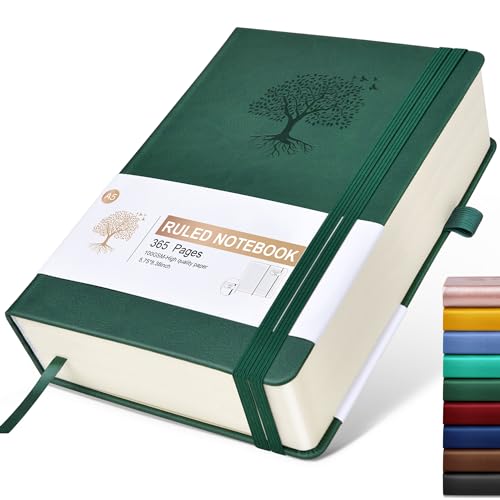
Dedicated space to organize corrections from your partner and review patterns—regular notebooks lack the structured format that makes review efficient
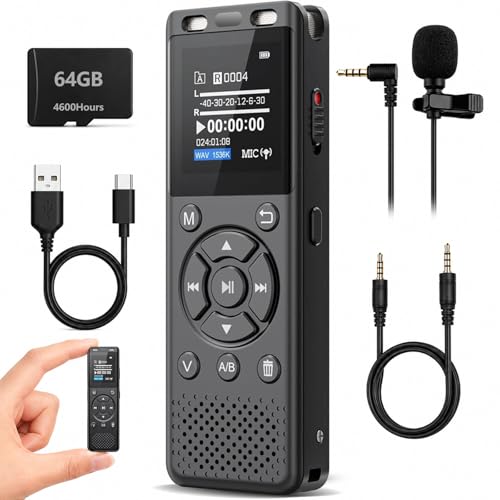
Capture full sessions (with permission) to review your mistakes later—you'll catch pronunciation errors and filler word overuse you don't notice in the moment
As an Amazon Associate I earn from qualifying purchases. Prices may change.
Step-by-Step Guide
Find partners who match your level
Search Tandem, HelloTalk, or local Polyglot meetup groups for someone learning your native language who speaks your target language. Post in city-specific Reddit or Facebook groups with your proficiency level (A1-C2) and preferred meeting frequency. Message 3-5 potential partners with specifics: your current level, what you want to practice (business vocab vs casual conversation), and realistic availability.
💡 Pro Tips:
- • Flakes are common—cast a wider net. The right match responds within 24 hours and suggests a public meeting spot immediately.
Meet with timer and notebooks ready
Choose a neutral, moderately noisy location—coffee shops work better than libraries for first meetings. Bring a timer app and two small notebooks. Agree upfront: 50-50 time split, no switching to your shared language unless absolutely stuck. Start with structured topics for the first three sessions: daily routine, weekend plans, favorite foods, hometown description.
💡 Pro Tips:
- • Ask them to speak at 80% normal speed, not 50%—you need realistic pacing.
- • Jot down corrections in real-time and review these before your next session.
Introduce spontaneous conversation by session four
Bring a newspaper article to discuss, describe a recent embarrassing moment, or debate a light topic (best pizza toppings, not politics). This is where real fluency develops—when you're forced to express nuance without rehearsal time. Watch how they use filler words ('um', 'like', 'you know') and copy them shamelessly.
💡 Pro Tips:
- • Exchange phone numbers if the partnership clicks. Send 30-second voice messages throughout the week about your day to practice thinking in the language.
Join group language exchanges for chaos practice
After 4-6 one-on-one sessions, attend group exchanges held at bars or community centers. These usually feature 30 people speaking 15 languages in rotating 10-minute mini-conversations. You'll rotate through 5-6 partners in two hours, encountering different accents, speaking speeds, and vocabulary preferences. The chaos forces quick thinking.
💡 Pro Tips:
- • These are usually free and listed on Meetup.com or city language Facebook groups.
Create a shared goal outside pure conversation
Plan something specific by month three: watch a movie together in your target language, attend a cultural event where only that language is spoken, or cook a traditional meal while speaking only the target language. Shared experiences outside conversation practice cement both the language and the friendship.
Gear Up for Your Quest
The gear that makes this quest work.
Pull it off

Pocket Translation Card Set
Quick reference when you hit a complete mental block mid-conversation without pulling out your phone and killing the flow
Get on Amazon · $13.99 — Pocket Translation Card Setdetails & deals →+ complete the kit — 3 more

Language Learning Journal
RecommendedDedicated space to organize corrections from your partner and review patterns—regular notebooks lack the structured format that makes review efficient
Structured workbook with vocabulary tracking pages, conjugation charts, and conversation logs
Get on Amazon · $8.99 — Language Learning Journaldetails & deals →
Tandem or HelloTalk Premium
OptionalFilters by specific dialects, connects you with serious learners (not time-wasters), and includes built-in correction tools for text exchanges
Premium features for language exchange apps including translation tools, voice calls, and advanced partner filtering

Portable Voice Recorder
OptionalCapture full sessions (with permission) to review your mistakes later—you'll catch pronunciation errors and filler word overuse you don't notice in the moment
Compact digital recorder with 32GB storage and one-touch recording
Get on Amazon · $32.99 — Portable Voice Recorderdetails & deals →As an Amazon Associate, IRL Sidequests earns from qualifying purchases at no extra cost to you.
Prices and availability are subject to change. The price shown at checkout on Amazon at the time of purchase will apply.
Editor's Picks
Hand-selected quests our team thinks you'll love

Guerrilla Gardening: Plant Beauty Where It's Not Expected
That cracked sidewalk planter doesn't need to stay dead—fill it with wildflowers at 2AM and watch neighbors smile for months.

Backyard Conversation Workshop
Your backyard becomes the training ground where awkward silences turn into confident conversations.

Community Kitchen & Culinary Connection Hub
The best recipes get passed hand-to-hand, not screen-to-screen.