Master the complete IRL Side Quests framework from first quest to advanced challenges. Build momentum, track progress, and level up your real-world adventure skills systematically.
Most people fail at new hobbies because they jump into the deep end without building foundational skills. The IRL Side Quests system fixes this by creating a structured progression path that mirrors video game mechanics—start with quick wins, build competence through repeated practice, then tackle bigger challenges when you're actually ready.
This isn't about bucket lists or random activity sampling. It's a deliberate skill-building framework tested across thousands of real-world quests. Beginners start with 15-30 minute low-stakes activities that require minimal gear and zero specialized knowledge. You're building observation skills, comfort with new environments, and the habit of documenting experiences. Hit 5-10 beginner quests and you'll notice something shift—the world starts looking different, full of possibilities you walked past for years.
Intermediate questers add complexity: longer time commitments, basic gear requirements, light research phases. You're developing preferences now—maybe urban photography clicks while foraging doesn't, or vice versa. Advanced questers design custom multi-day expeditions combining skills from different domains. The system works because each level builds genuine competence before adding difficulty. You're not checking boxes; you're becoming someone who does interesting things consistently.
Why This Quest Matters
This system fixes the failure point where most people abandon new hobbies—jumping into the deep end without foundational skills. You're not checking boxes or sampling random activities; you're becoming someone who does interesting things consistently, with each level building genuine competence before adding difficulty.
What You'll Experience
How to build momentum with quick wins before tackling complex challenges
Which activity types energize versus deplete you personally
A rotation system that fits your natural rhythms instead of fighting them
How to calibrate difficulty and design custom multi-day expeditions
When different skills start informing each other through crossover learning
What You'll Need
Top gear to make this quest great.
Pull it off
Quest Tracking Journal (Hardcover Dot Grid)
Provides structured space for quest logging, progress tracking, and reflection that survives outdoor conditions. The dot grid allows custom layouts for different quest types without the constraints of lined pages. Numbered pages enable index creation for reviewing patterns across months.
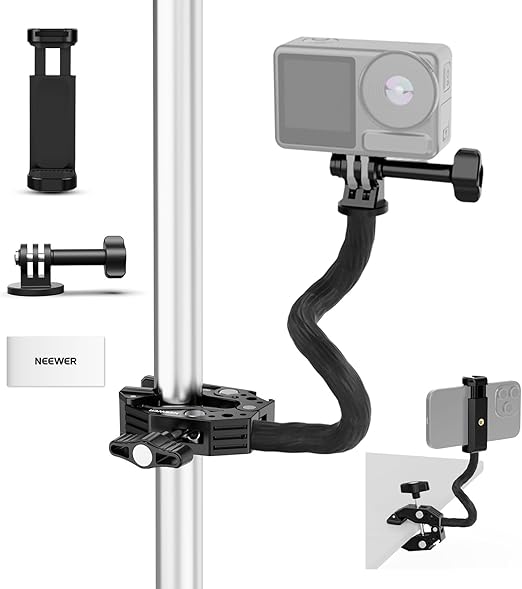
Enables continuous POV documentation during active quests without interrupting the experience to pull out a phone. Critical for urban exploration, nature observation, and creative process capture. Frees your hands to actually do the quest while building a documentation library.
Transforms passive observation into active investigation across multiple quest types. The UV light reveals hidden details in urban environments and nature. The lens turns any surface into a discovery zone. This single kit supports foraging verification, architectural detail study, and creative material sourcing.
As an Amazon Associate I earn from qualifying purchases. Prices may change.
Step-by-Step Guide
1
Start with 15-minute beginner quests
Pick activities that slot into your existing routine: photograph architectural details during your morning walk, identify five wild plants on lunch break, or attend one free community event this week. Log each completion immediately while sensory details are still fresh.
💡 Pro Tips:
• If you're dragging yourself through activities, you picked wrong—the goal is building momentum, not grinding
• Track which quest types leave you energized versus depleted; this data determines your next focus areas
2
Complete 5-10 beginner quests first
Don't advance until beginner quests feel automatic. You're building observation skills, comfort with new environments, and the documentation habit. Notice when the world starts looking different—full of possibilities you walked past for years.
3
Add one complexity factor for intermediate
Level up by extending time (1-3 hours), adding basic equipment (borrowed or budget gear), or requiring light preparation. Try urban sketching in three neighborhoods, foraging with field guide verification, or hosting a skill-swap session. Document what flopped—failed quests teach more than perfect ones.
💡 Pro Tips:
• Build your quest rotation around existing habits: morning people front-load active quests, night owls schedule creative sessions after dinner
4
Track completion rate and energy delta
Create a personal dashboard monitoring three metrics: completion rate (aim for 70%+ to maintain momentum), energy delta (what boosts versus drains you), and skill crossover (when different quest types start informing each other). Review monthly, adjust quarterly.
5
Unlock advanced multi-day expeditions
After completing 15+ intermediate quests successfully, tackle multi-day commitments with specialized equipment and significant planning phases. A 3-day solo camping trip with wildlife photography and botanical sketching. A historical walking tour series you research and lead. These aren't harder—they're longer and more complex.
6
Design custom quests after 30+ completions
You understand the framework now—time requirements, difficulty calibration, supply considerations, documentation needs. Build quests that combine your discovered interests. This is where the system transforms from following paths to creating them.
Provides structured space for quest logging, progress tracking, and reflection that survives outdoor conditions. The dot grid allows custom layouts for different quest types without the constraints of lined pages. Numbered pages enable index creation for reviewing patterns across months.
Enables continuous POV documentation during active quests without interrupting the experience to pull out a phone. Critical for urban exploration, nature observation, and creative process capture. Frees your hands to actually do the quest while building a documentation library.
Versatile mounting system with chest harness, wrist strap, and backpack clip for hands-free documentation
Transforms passive observation into active investigation across multiple quest types. The UV light reveals hidden details in urban environments and nature. The lens turns any surface into a discovery zone. This single kit supports foraging verification, architectural detail study, and creative material sourcing.
Compact kit with weatherproof case containing: field lens (10x magnification), UV mini-flashlight, compass with clinometer, temperature/humidity gauge, and specimen collection vials
Prevents the endless phone-scrolling that kills quest momentum. Field-specific guides provide depth that generic apps can't match—identification keys, seasonal timing, historical context. The waterproof format survives actual field conditions. Builds genuine local expertise rather than surface-level tourism.
Waterproof regional guides covering: local flora/fauna, architectural styles, historical landmarks, and seasonal phenomena specific to your area
Random Side Quest Generator: Complete Guide to Spontaneous Adventures
Let the dice argue. You just have to go.
Grab a friend, a handful of dice and a stack of pocket cards, then let the roll decide what you do next. You write the options, the dice pick one, and you go. Each outing takes 15 to 30 minutes, and arguing with the dice is not allowed.
Your life stats are stagnant—time to grind IRL and unlock new abilities.
Transform gaming mechanics into real-world quests with achievement tracking, skill trees, and XP systems that make personal development feel like your favorite RPG.
Turns out you're excellent company. Let's prove it.
Ever talked yourself out of a movie, a meal or a trip because nobody was free? Over three or four weeks, you'll work through six easy solo missions, from a twenty-minute bench sit to a day trip in a town you've never seen, and find out how good your own company is.
10 hours total (split into 20-minute to 2-hour sessions over 3-4 weeks)SoloGear from $6