
IRL Gamification & Quest Mechanics
Your boring Tuesday just became a boss battle you can actually win.
About This Quest
Learn practical gamification mechanics to turn everyday activities into engaging real-world quests with XP systems, achievement tracking, and progression loops.
Real-world gamification isn't about sticking points on your coffee runs. It's about reverse-engineering what makes games addictive and applying those mechanics to things that actually matter—your fitness, creativity, skills, relationships. You're building a system where cooking dinner can feel as satisfying as clearing a dungeon, where your morning routine has combo multipliers, and where every week has clearly defined boss fights. The core mechanics: Experience points for completed actions, skill trees that branch based on what you focus on, achievement badges that unlock new quest categories, and failure states that reset progress without crushing motivation. You'll design your own leveling curve, set milestone rewards, and create feedback loops that make you want to keep going. This isn't about gamifying everything—it's about applying game design principles to the areas where you need structure and motivation. The system works because it externalizes your progress. Your brain sees numbers go up, badges unlock, and skill trees fill in. That dopamine hit you get from leveling up in games? Same neurochemical reaction, but now it's tied to learning Spanish, exploring new neighborhoods, or finally starting that side project. You're not pretending life is a game—you're using game mechanics as a psychological tool to overcome inertia and build momentum.
Why This Quest Matters
This system externalizes your progress in ways your brain can't ignore. Watching numbers climb and skill trees fill creates the same dopamine response as leveling up in games, but now it's tied to learning Spanish, exploring your city, or finishing that side project. You're not pretending life is a game—you're weaponizing game design psychology to obliterate inertia.
What You'll Experience
- How to design XP systems and skill trees that mirror your actual goals
- The neurochemical feedback loops that make games addictive, applied to real progress
- Failure mechanics that preserve motivation instead of crushing it
- How to balance challenge and achievability in self-designed systems
- Methods for tracking and iterating on personal gamification over months
What You'll Need
Top gear to make this quest great.
Pull it off
Custom Achievement Badge Set or Physical Level Tracker
Converts digital progress into tangible objects that create real-world presence and visual motivation. Seeing your bronze/silver/gold pins or moving a marker up a level board triggers stronger psychological commitment than app notifications alone.
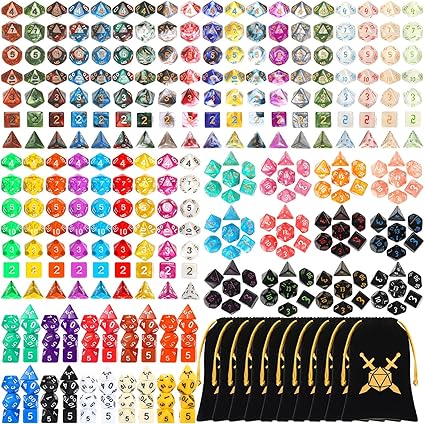
Adds unpredictability and removes decision paralysis. Roll for daily quest selection, random events, or difficulty multipliers. The physical act of rolling makes choices feel more gamified and removes the burden of constant decision-making.
As an Amazon Associate I earn from qualifying purchases. Prices may change.
Step-by-Step Guide
Define your game categories and XP values
Map your life into 2-3 game categories: Physical, Mental, Social, Creative, or Exploration. Assign specific point values to actions in each category—small daily tasks (10-25 XP), medium challenges (50-100 XP), large achievements (250-500 XP). Set your level curve: levels 1-5 need 100 XP each, 6-10 need 200 XP, scaling upward.
💡 Pro Tips:
- • Start with just two categories. Trying to gamify everything at once leads to burnout.
- • Write down at least 5 specific activities per category with their exact XP values before moving on.
Build skill trees and achievement tiers
Create 3-5 branching skills per category that unlock tangible rewards. Physical might include Endurance, Strength, Flexibility—10 points in Endurance unlocks longer routes, 25 points unlocks advanced techniques. Design four achievement tiers (Bronze for first completion, Silver for 10 completions, Gold for mastery, Platinum for teaching others) with specific unlock conditions.
💡 Pro Tips:
- • Make achievements concrete: 'Sidewalk Chef Bronze: Cook 5 new recipes', not vague goals.
- • Skills should unlock new quest types you actually want to do, not just feel like arbitrary gates.
Design weekly boss fights and combo multipliers
Every Sunday, schedule one significant challenge that tests your week's skills—a longer run, complex recipe, exploring new streets, or difficult conversation. Boss fights award 3x XP and rare achievements. Set up streak multipliers: day 1 gives 1x XP, day 2 gives 1.1x, day 7 gives 2x. Miss a day and the multiplier resets, but base XP stays.
💡 Pro Tips:
- • Boss fights should feel slightly uncomfortable but achievable. If you fail, retry next week with adjustments.
Implement tracking and daily rituals
Choose your tracking system—spreadsheet, app, or physical journal. Every morning, review yesterday's XP gains, check level progress, and select today's quests. Every evening, log completions, calculate XP, and note what worked. Weekly reviews analyze skill distribution, plan the next boss fight, and adjust difficulty if needed.
💡 Pro Tips:
- • Set a phone alarm for your evening log-in. Missing one day breaks the feedback loop fast.
Add failure states and random events
Create non-crushing failure mechanics: miss one day to lose combo multiplier, three days loses 25% level progress, full week levels you down by one. Your skills and achievements stay permanent. Once weekly, inject a random event: doubled XP for certain activities, surprise hidden boss encounters, or skill point sales that break routine.
💡 Pro Tips:
- • Random events should feel exciting, not stressful. Keep a running list of 10-15 to rotate through.
Build seasons and rebalance monthly
Every 90 days, trigger a season reset: optional skill tree redesign, new achievement categories unlock, level cap increases by 5. Review monthly to catch system exploits—are you only doing easy quests? Adjust XP values. Hit level cap too fast? Steepen the curve. The system should feel challenging with visible weekly progression.
Gear Up for Your Quest
The gear that makes this quest work.
Pull it off

Custom Achievement Badge Set or Physical Level Tracker
Converts digital progress into tangible objects that create real-world presence and visual motivation. Seeing your bronze/silver/gold pins or moving a marker up a level board triggers stronger psychological commitment than app notifications alone.
+ complete the kit — 3 more

Habitica Premium or Notion with Gamification Template
RecommendedAutomates the mathematical heavy-lifting of XP tracking and provides visual feedback loops that make progression tangible. Premium versions offer party/guild features for social accountability.
Digital tracking system purpose-built for gamified task management with automatic XP calculation, skill trees, and visual progress bars

Dice Set (d20 and d6)
OptionalAdds unpredictability and removes decision paralysis. Roll for daily quest selection, random events, or difficulty multipliers. The physical act of rolling makes choices feel more gamified and removes the burden of constant decision-making.
Standard gaming dice for introducing randomization mechanics and difficulty modifiers to quest selection
Get on Amazon · $76.95 — Dice Set (d20 and d6)details & deals →Printable Skill Tree Poster Template
OptionalCreates a visible, shareable representation of your growth across categories. Filling in a physical skill tree provides satisfaction digital trackers can't match and serves as constant visual reminder of your system.
Large-format visual skill progression chart you can mark up with progress, available through game design resources or custom creation via Canva
RELATED GEAR GUIDE
Journaling & Habit Kit: 10 Picks That Build the Habit
Field-tested picks · Personal Growth
As an Amazon Associate, IRL Sidequests earns from qualifying purchases at no extra cost to you.
Prices and availability are subject to change. The price shown at checkout on Amazon at the time of purchase will apply.
Editor's Picks
Hand-selected quests our team thinks you'll love

Random Side Quest Generator: Complete Guide to Spontaneous Adventures
Turn decision paralysis into roll-the-dice action.

Desk Reset Rituals for Screen Workers
Your screen blur isn't age—it's ritual deficit.

Build Your Domestic Confidence Toolkit
The difference between panicking when something breaks and calmly handling it yourself.