IRL Sidequests
Industrial Archaeology Photo Hunt - Urban Exploration quest for Intermediate level adventurers

Industrial Archaeology Photo Hunt

Old factories tell stories their owners forgot to record.

About This Quest

Document forgotten industrial sites through photography while learning to read architectural clues and urban history.

Industrial zones shift every decade. The warehouse district that shipped goods in the 1980s now sits half-empty, windows broken, paint peeling in patterns that reveal construction methods from three different eras. These aren't just ruins—they're readable documents if you know what to look for. The morning light hits red brick best between 7-9 AM, casting shadows that emphasize the texture of century-old masonry. By afternoon, metal surfaces become your focus as angled sunlight reveals rivets, welds, and repair patches that map each building's working life. This quest teaches you to move through industrial areas with intention, reading buildings like texts. You'll identify architectural features that date structures, photograph details that show how things were actually built, and document spaces before they're demolished or renovated beyond recognition. The goal isn't trespassing—it's using publicly accessible views, chain-link fence perspectives, and legal vantage points to capture what's visible and significant. You'll learn which details matter to historians, how to frame compositions that show context and scale, and why that rusted loading dock tells you more about local economy than any statistics report. Real urban exploration means understanding liability, respecting property boundaries, and knowing when to walk away. Some of the best shots come from public sidewalks, parking lots with clear views, or elevated positions like highway overpasses. You're building an eye for what's worth documenting and a sense for how cities actually change—not through official narratives, but through the physical evidence rotting quietly on the edge of town.

Duration
3-4 hours
Estimated Cost
Free
Location
Outdoor
Season
Year-round

Step-by-Step Guide

1

Scout your industrial zone during daylight first—drive or bike through to identify 3-4 buildings with visible exterior details from public access points. Look for older construction (pre-1970s shows more interesting techniques), varied materials (brick, corrugated metal, concrete), and visible weathering patterns.

2

Check morning light direction using a sun position app the day before. East-facing brick walls photograph best 7-9 AM. West-facing metal structures work better 4-6 PM. Overcast days are ideal for high-contrast rust and paint details without harsh shadows.

3

Start at your first location with wide establishing shots from the sidewalk—capture the full building, surrounding context, street signs, and any visible business signage. These anchor your documentation. Shoot at fence-line level, not through gaps (respect boundaries).

4

Move to architectural details visible from public space: count brick patterns to identify construction era, photograph window frame styles, document loading dock heights and rail systems, capture ventilation systems and chimney construction. Each detail is a historical data point.

5

Photograph material decay patterns—where paint peels reveals layering history, rust patterns show water drainage and structural stress, broken windows expose interior construction methods. Get close on these textures while maintaining legal distance from property.

6

Document signage and typography—faded company names, safety warnings, union labels, and painted advertisements are time capsules. Photograph them straight-on with scale reference when possible.

7

Use your field notebook to record addresses, visible dates, architectural observations, and questions for later research. Note what you can't see but want to investigate (building permits, historical maps, old business directories).

8

Move through your planned route systematically, spending 30-45 minutes per building. Shoot 20-30 images per location, varying angles and focal lengths. The editing happens later—capture options now.

9

Wrap your session by photographing contextual shots showing the site's relationship to surrounding neighborhoods, infrastructure, and current land use. These wide shots become valuable as areas redevelop.

10

Back home, organize photos by location and research building histories using local library archives, historical fire insurance maps, and city permit records. Your photos become more valuable when you can date and contextualize what you've captured.

Gear Up for Your Quest

Get everything you need to make this quest amazing.

Sun Surveyor App (Premium)

Essential
$10

Augmented reality sun position planning app showing sun path, golden hour timing, and shadow projection

Get This Item

Circular Polarizing Filter (52-77mm depending on lens)

Recommended
$25-60

Screw-on lens filter that reduces glare and enhances color saturation through glass and metal surfaces

Get This Item

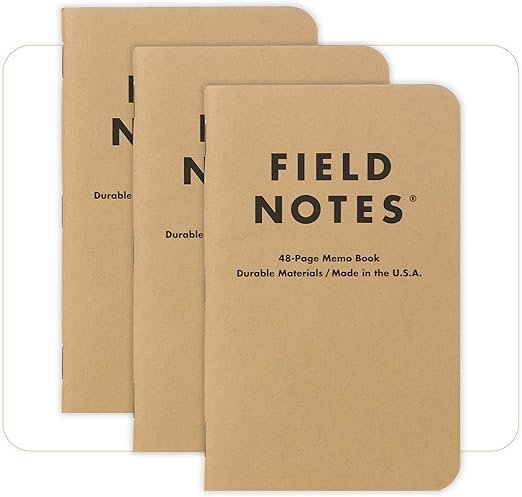
Fieldnotes Industrial Edition Notebook

Recommended
$15

Heavy-duty graph paper pocket notebook with water-resistant cover designed for rough field conditions

Get This Item

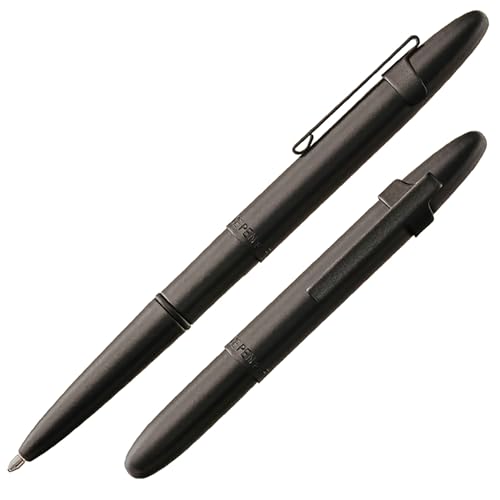
Tactile Turn Side Click Pen (Titanium)

Optional
$90

Machined metal pen that works in any weather condition with replaceable ink cartridges

Get This Item

💙 Shopping through these links helps support IRL Sidequests at no extra cost to you. Thanks for making adventures possible!