Transform rainy days into exploration opportunities with indoor urban quests that reveal hidden architectural details, underground passages, and climate-controlled cultural spaces.
When the weather turns, most people retreat home. You're about to do the opposite. Cities have entire parallel networks designed for climate control: skyway systems connecting office towers, underground pedestrian tunnels spanning blocks, transit mezzanines with forgotten art installations, grand hotel lobbies open to the public, and historic buildings with atriums that rival outdoor parks. These spaces exist in plain sight but get ignored when the sun's out.
This isn't about killing time in a mall. It's about discovering the interior architecture your city built for situations exactly like this. That 1920s bank lobby with the vaulted ceiling and brass fixtures? Open during business hours. The university library's reading room with stained glass? Public access. The train station's vintage waiting area with original tile work? Right there between platforms. Weather pushes you into spaces with different light, different acoustics, different crowds than outdoor routes ever show you.
The best part: these locations link together. Downtown skywalks can chain for miles. Subway systems connect to underground shopping concourses that surface in hotel lobbies. One rainy afternoon can cover more architectural diversity than a week of fair-weather walking, and you'll stay completely dry. Bring your curiosity about how your city moves people through space when the elements don't cooperate.
Why This Quest Matters
Weather forces you into spaces with different light, different acoustics, and different crowds than outdoor routes ever reveal. One rainy afternoon can cover more architectural diversity than a week of fair-weather walking—and you'll discover how your city designed parallel networks for exactly these conditions. You're not killing time; you're seeing the infrastructure most people only use unconsciously during their commute.
What You'll Experience
How downtown skywalks, tunnels, and underground concourses connect across multiple blocks
Which eras of construction prioritized public space versus pure utility
Where your city hid public art, grand lobbies, and forgotten waiting rooms
How to move continuously indoors through different building systems
Which weather conditions reveal usage patterns and maintenance priorities
What You'll Need
Top gear to make this quest great.
Pull it off
Wide-angle smartphone lens attachment
Indoor architectural spaces demand wider framing than standard phone cameras provide. Captures full atrium heights, long tunnel perspectives, and intricate ceiling details without needing to step back into crowds. Makes the difference between documentation and compelling composition in tight corridors.
Reveals detail in underlit corners, basement corridors, and ornamental ceiling work that overhead lighting misses. Essential for reading cornerstone dates, examining tile patterns, and spotting historical plaques in dim transit tunnels. The difference between walking past and actually seeing.
Indoor quests run longer than planned when you start connecting systems. Photography, map checking, and researching building histories drain batteries fast. Removes the anxiety of choosing between documentation and navigation when you're 90 minutes into a four-hour discovery route.
As an Amazon Associate I earn from qualifying purchases. Prices may change.
Step-by-Step Guide
1
Map the connected indoor networks
Before heading out, identify which skywalks, tunnels, and pedways link together in your downtown core. Transit system maps often reveal underground connections between stations and buildings that aren't obvious at street level.
💡 Pro Tips:
• Off-peak hours (10AM-2PM) mean emptier passages and more freedom to linger
• Start at a major transit hub—these anchor multiple systems and give you the most route options
2
Follow one system to its limits
Pick a skywalk or underground path and trace it as far as it extends. When you hit a dead end at an office tower, check ground level for connections that restart the network a block over. Underground paths often have subtle branching corridors that most commuters ignore.
💡 Pro Tips:
• Look for signage indicating building connections, concourses, or secondary skywalk access
3
Document the architectural shifts
Pay attention to ceiling heights, materials, lighting design, and acoustics as you move between eras. Note which buildings invested in grand public spaces versus utilitarian passages—the difference between 1960s concrete tunnels and 1980s glass atriums tells you what each decade valued.
💡 Pro Tips:
• Heavy rain days reveal which systems get the most use; snow days show where maintenance priorities lie
4
Infiltrate historic building lobbies
Banks, hotels, and government buildings from the pre-1950s era often feature public-accessible spaces with vaulted ceilings, brass fixtures, and original tilework. Check directory boards for rooftop gardens, observation decks, or basement amenities—many have free or minimal-cost access during business hours.
5
Hunt for transit system art
Many cities installed significant public art in stations from the 1970s-2000s. The best pieces hide in mezzanines and transfer tunnels, away from platform crowds. These spaces also showcase architectural ambition from different construction eras.
💡 Pro Tips:
• University library reading rooms and train station waiting areas often have public access and rival outdoor spaces for architectural drama
6
Chain the systems together
Connect different networks in one continuous indoor route: transit to skyway, skyway to underground mall, mall to hotel lobby, lobby back to transit. Map your route afterwards, marking dead ends, good connections, notable spaces, and time-of-day restrictions. You're building knowledge that compounds with each weather-alternative exploration.
Indoor architectural spaces demand wider framing than standard phone cameras provide. Captures full atrium heights, long tunnel perspectives, and intricate ceiling details without needing to step back into crowds. Makes the difference between documentation and compelling composition in tight corridors.
Indoor networks kill GPS accuracy and cellular signal drops in underground sections. Pre-downloaded maps keep you oriented when you're three levels below street grade with no data connection. Shows station layouts, exit numbers, and building connections before you commit to a tunnel.
Your city's official transit app or Google Maps with downloaded offline area
Reveals detail in underlit corners, basement corridors, and ornamental ceiling work that overhead lighting misses. Essential for reading cornerstone dates, examining tile patterns, and spotting historical plaques in dim transit tunnels. The difference between walking past and actually seeing.
Small, bright LED light source (200+ lumens) for examining architectural details
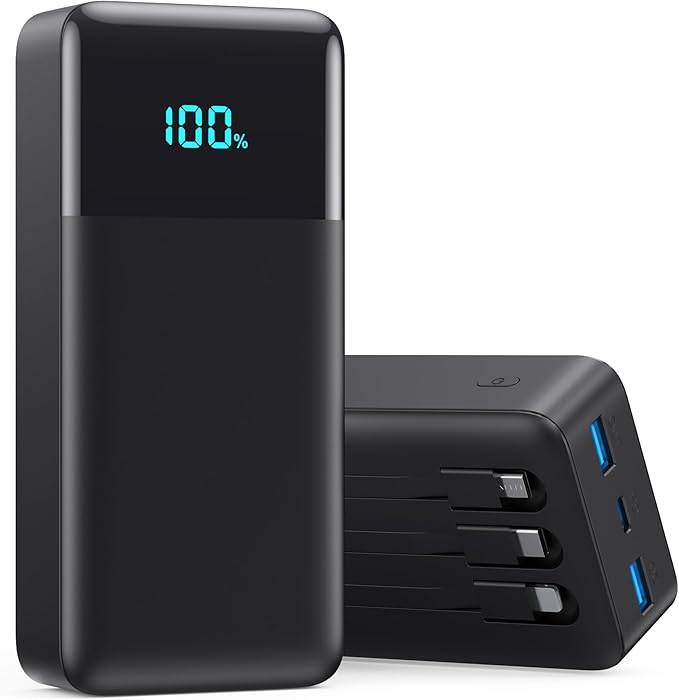
Indoor quests run longer than planned when you start connecting systems. Photography, map checking, and researching building histories drain batteries fast. Removes the anxiety of choosing between documentation and navigation when you're 90 minutes into a four-hour discovery route.
10,000mAh battery pack for extended exploration without outlet hunting
Architecture Scavenger Hunt: Decode Your City's Hidden Design Language
That building you pass every day? It's been screaming details at you that you've never noticed.
Hunt for architectural details hiding in plain sight—corbels, keystones, terra cotta faces, and century-old brickwork patterns that tell your city's real story.
Stop winging it in abandoned spaces—learn the difference between exploring safely and just getting lucky.
Learn essential urban exploration safety protocols, risk assessment, and technical skills from experienced urbex practitioners. Hands-on training for abandoned building navigation.
The best food in your city isn't on Yelp's front page—it's where rent is cheap and menus aren't in English.
Navigate your city's authentic food scene through ethnic markets, street vendors, craft breweries, and neighborhood joints that locals actually frequent.