
Indoor & Home-Based Creative Pursuits
Your kitchen table has more creative potential than most art studios.
About This Quest
Transform your living space into a creative studio with practical projects using everyday materials and minimal setup.
Stop waiting for the perfect studio space or expensive equipment. Your home already has everything you need to start creating—a flat surface, decent lighting from a window, and materials you can source from a grocery store or craft supply run. The best creative work happens when you're comfortable, when you can leave a project half-finished on the table and come back to it after dinner. This isn't about becoming a professional artist overnight. It's about using your hands, making choices about color and composition, and seeing something emerge that didn't exist an hour ago. Whether you're paper marbling in a lasagna pan, recording ambient sounds on your phone with a cheap windscreen, or binding a small book from scrap paper, the process rewires how you see ordinary objects. That cardboard box becomes a canvas. That afternoon light through your blinds becomes your photography subject. The projects here work because they're modular—you can knock one out in an hour or spend a whole weekend iterating. You'll learn techniques like basic color theory through hands-on mixing, understand paper grain by folding and tearing, and develop an eye for composition by arranging objects under different light sources. Most importantly, you'll have tangible evidence of time well spent, whether that's a marbled bookmark, a soundscape of your neighborhood, or a small zine documenting your week.
Why This Quest Matters
You'll stop seeing your home as a place where real work happens elsewhere. Every completed project—a marbled bookmark, a sound portrait, a tiny zine—is proof that creativity isn't about perfect conditions or expensive gear. It's about showing up to your kitchen table and using what's already there.
What You'll Experience
- How to mix colors and understand pigment behavior through hands-on experiments with paint and natural dyes
- The way light transforms ordinary objects across a single day, teaching you to see composition in your own space
- Texture transfer techniques that turn everyday surfaces into pattern libraries for future work
- How constraints (a shallow pan, 12 pages, 30-second clips) force better creative decisions than unlimited options
What You'll Need
Top gear to make this quest great.
Pull it off
Acrylic paint sampler set
Essential for marbling, printing, and painting experiments—dries fast, mixes well, and works on multiple surfaces unlike watercolors
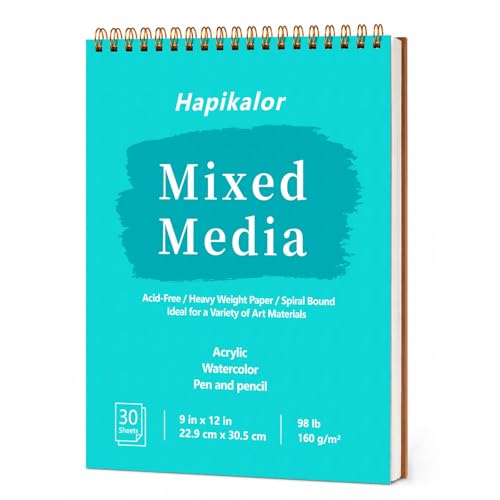
Handles water-based experiments without warping, accepts pencil and ink, and tears cleanly for collage work—printer paper can't do all three
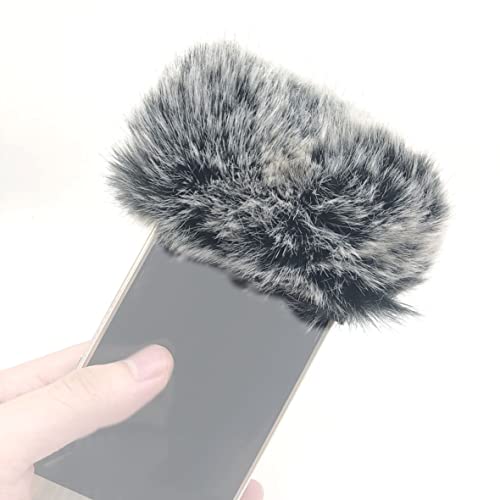
Eliminates wind noise and handling rustle when recording ambient sounds, turning your phone into a serious field recording tool
As an Amazon Associate I earn from qualifying purchases. Prices may change.
Step-by-Step Guide
Claim your creative corner
Clear a table near a window and cover it with newspaper or a plastic tablecloth. Keep a cardboard box nearby for storing half-finished work between sessions. This permanent setup means you can walk away mid-project and return without rebuilding your workspace.
💡 Pro Tips:
- • Morning light near an east-facing window gives you the coolest, most directional shadows for observation work
- • The box keeps curious roommates or pets from "helping" with your wet marbling experiments
Marble paper in a baking dish
Fill a 9x13 pan with 2 inches of water and a drop of dish soap. Drop acrylic paint on the surface, swirl with a toothpick, then lay paper flat on top for 3 seconds. Lift, rinse under cold water, and hang with clothespins to dry. You'll have bookmarks, card stock, or wrapping paper that didn't exist ten minutes ago.
💡 Pro Tips:
- • Thicker paper (cardstock or watercolor paper) holds the pattern better than printer paper
- • Each dip is unique—the paint spreads differently every time, so make several if you want options
Build texture and pattern libraries
Tape tracing paper over surfaces around your home—brick, wood grain, fabric, textured wallpaper—and rub with charcoal or soft pencil to transfer the pattern. Separately, coat found objects like bubble wrap or corrugated cardboard with thin acrylic paint and press onto paper to create texture prints. These become your personal catalog for future collage work.
Extract color from your kitchen
Simmer yellow onion skins, red cabbage, or used coffee grounds in water for 30 minutes. Strain the liquid and paint with it on watercolor paper or dye fabric scraps. The colors shift as they dry, teaching you how pigments behave when water evaporates and pH changes.
Document light and sound in your space
Set up a simple still life near your window and sketch or photograph it at three different times: morning, mid-afternoon, and twilight. Notice how shadows lengthen and colors shift from cool blue to warm amber to deep blue again. Then use your phone with a foam windscreen to record 30-second sound clips—coffee brewing, street noise, the refrigerator hum—and layer them in a free app like Audacity to build an audio portrait of a day at home.
💡 Pro Tips:
- • Cheap foam windscreens (under $5) eliminate that muffled sound you get recording near HVAC vents
Make a mini zine from what's around
Fold and nest 3 sheets of printer paper, then staple the spine. Fill your 12 pages with sketches, pressed leaves, found poetry cut from junk mail, or grocery list observations. The constraint forces you to make choices about what deserves space. Take a phone photo before you give it away—after three months of these, you'll see patterns in how your thinking evolves.
Gear Up for Your Quest
The gear that makes this quest work.
Pull it off

Acrylic paint sampler set
Essential for marbling, printing, and painting experiments—dries fast, mixes well, and works on multiple surfaces unlike watercolors
+ complete the kit — 4 more

Handles water-based experiments without warping, accepts pencil and ink, and tears cleanly for collage work—printer paper can't do all three
9x12 inch pad with thick, textured paper that handles wet and dry media
Get on Amazon · $5.99 — Mixed media paper paddetails & deals →
Foam windscreen for phone mic
RecommendedEliminates wind noise and handling rustle when recording ambient sounds, turning your phone into a serious field recording tool
Small foam cover that fits over smartphone microphone
Get on Amazon · $12.99 — Foam windscreen for phone micdetails & deals →
Long-reach stapler
RecommendedMakes proper bookbinding possible at home—regular staplers can't reach the spine of a folded zine without mangling the pages
Stapler with extended throat depth for reaching center of folded pages
Get on Amazon · $12.99 — Long-reach staplerdetails & deals →
Brayer roller
OptionalSpreads paint evenly on texture objects for clean prints and prevents the blotchy coverage you get with brushes or sponges
4-inch rubber roller with handle, used for printmaking
Get on Amazon · $6.69 — Brayer rollerdetails & deals →RELATED GEAR GUIDE
Phone Photography Kit: 9 Picks for Better Shots
Field-tested picks · Creative Arts
As an Amazon Associate, IRL Sidequests earns from qualifying purchases at no extra cost to you.
Prices and availability are subject to change. The price shown at checkout on Amazon at the time of purchase will apply.
Editor's Picks
Hand-selected quests our team thinks you'll love

Dawn Patrol: Your First Bird Watching Adventure
Wake up with the birds and see your neighborhood through new eyes.

Creative Skills Quest Hub: Learn By Doing
The best way to learn creative skills? Make bad art until it gets good.

Hand-Built Ceramic Bowl Workshop
Your hands built the first bowls 20,000 years ago. They still can.