Your apartment becomes a comedy lab where awkward silences turn into comedic gold.
Turn your living room into a performance laboratory where friends build spontaneous comedy skills through classic theater games and creative challenges.
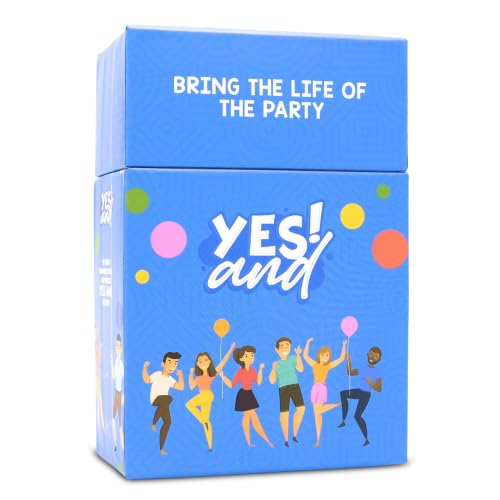
The first round always feels clunky. Someone stumbles through a freeze-tag scene about grocery shopping, another person forgets their character mid-sentence. But by hour two, your kitchen table crew is riffing like they've been doing this for years. The energy shifts when people realize nobody's judging—everyone's too busy trying to remember if they're supposed to be a talking lamp or a nervous detective. Improv game nights strip away the pressure of traditional socializing. No small talk about work, no forced conversations. Just a series of structured games that make people laugh at themselves while accidentally building real communication skills. You'll run through classics like Yes-And exercises, emotion party, and sound-ball variations that theater companies use in actual rehearsals. The rule structure gives nervous participants something to hide behind while their confidence builds. The physical setup matters more than you'd think. Clear enough floor space for people to move—improv dies when everyone stays seated. The best hosts rotate facilitator duties so nobody feels like they're performing for an audience. Keep a visible game list on a whiteboard so participants can request favorites or vote on what's next. By the third gathering, your crew will have inside jokes and callback references that make zero sense to outsiders.
Improv nights replace awkward small talk with structured play that builds real communication skills while making people laugh at themselves. By the third gathering, your crew develops inside jokes and callback references that feel like secret language. The magic happens when participants realize they're learning to listen, collaborate, and think on their feet—all while thinking they're just playing silly games.
Rearrange furniture to clear a 10x10 foot open area with seating around the edges. Participants need room to move through freeze-tag scenes and physical exercises without tripping over coffee tables. The perimeter seating creates a supportive circle rather than an audience-performer divide.
Write out 8-10 game formats on index cards with clear rules—include Yes-And Scene, Emotion Party, Freeze Tag, Sound Ball, Genre Replay, New Choice, Party Quirks, and Word-at-a-Time Story. Keep these visible on a table or posted on a whiteboard. This prevents mid-game rule debates and lets participants request favorites.
Start with 15 minutes of body-and-brain exercises before any performance games: name-game circle, zip-zap-zop focus drill, and group counting to 20 without overlap. Cold bodies make stiff performers, and these activities break social tension faster than any icebreaker conversation. Everyone participates simultaneously, so nobody feels singled out.
Run 4-6 rounds of beginner games, keeping each one to 5-7 minutes with rotating participants. Keep early rounds low-stakes so people absorb the format before their brains freeze from performance anxiety. The rotation ensures nobody feels stuck in the spotlight or left out on the sidelines.
Mid-session, escalate to a game that builds on earlier skills—try adding audience suggestions or combining two formats your group already practiced. This progression keeps experienced players engaged while newcomers see what's possible. The challenge feels earned rather than intimidating because everyone's already warmed up.
End with a signature game your group votes to repeat every session—this creates continuity across gatherings. Follow it with a 10-minute debrief where each person names one moment they loved watching someone else do. This shifts focus from self-judgment to group appreciation and gives the night emotional closure.
Get everything you need to make this quest amazing.
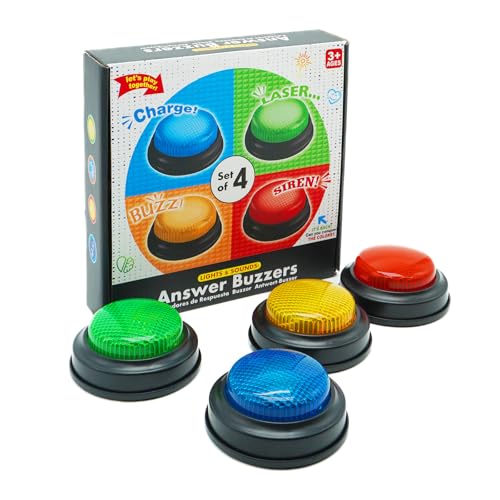
Adds physical punctuation to scene transitions and eliminates awkward verbal interruptions when facilitating game switches—the audible click gives players permission to break character cleanly
Four-button game show buzzer system with sound effects
Essential for word-based games where participants write suggestions or vote on scenarios without shouting over each other—keeps energy focused and prevents loudest-voice-wins dynamics
Small portable whiteboards with markers
Removes the freeze-up moment when someone asks for audience suggestions and gets silence—having randomized prompts ready maintains momentum during transitions
Pre-printed prompt cards for locations, emotions, and occupations
Enables walk-on music for character entrances and provides audio cues for timed challenges—sound design transforms living room energy from casual to performance-ready
Portable speaker for music cues and sound effects
As an Amazon Associate, IRL Sidequests earns from qualifying purchases at no extra cost to you.
Prices and availability are subject to change. The price shown at checkout on Amazon at the time of purchase will apply.
Hand-selected quests our team thinks you'll love

That cracked sidewalk planter doesn't need to stay dead—fill it with wildflowers at 2AM and watch neighbors smile for months.

The best recipes get passed hand-to-hand, not screen-to-screen.

The best dinner parties end with everyone leaving smarter than they arrived.