
Host a Skill-Swap Workshop Circle
The best teachers live on your block—they just don't know they're teaching yet.
About This Quest
Organize a peer-led skill exchange where everyone teaches something they know and learns something new—no money, all connection.
Skill-swap workshops flip the script on traditional learning. Instead of paying an expert, you gather 6-12 people who each commit to teaching one thing they're decent at—bread baking, basic bike repair, watercolor techniques, knot-tying, budget spreadsheets, whatever. Everyone rotates through 20-minute teaching slots, so by the end of the afternoon, you've learned five new things and shared something you take for granted. The format works because it's low-stakes: you're not teaching a masterclass, just showing someone how you do something useful. The energy shifts about 45 minutes in. The accountant who thought she had nothing to offer is suddenly surrounded by people scribbling notes about tax write-offs. The guy who fixes his own plumbing is explaining pipe threading with the confidence of someone who's done it fifty times. You realize everyone has knowledge worth sharing—it's just been sitting unused because there's no structure to pass it around. A good skill-swap feels like a potluck where the dishes are abilities instead of casseroles. Logistics matter more than you'd think. You need a space with multiple stations or corners—community centers, makerspaces, large living rooms with furniture pushed aside. Bring painter's tape and cardstock for quick station signs. Set a timer on your phone and announce rotations loudly; people lose track of time when they're focused. By the last rotation, participants are already exchanging numbers to continue lessons one-on-one. That's when you know it worked—the event becomes a starting point, not an ending.
Why This Quest Matters
By the end, the accountant who thought she had nothing to offer is surrounded by people scribbling tax notes, and the DIY plumber is explaining pipe threading like the pro he is. You'll realize everyone around you has knowledge worth sharing—it's just been sitting unused because there's no structure to pass it around. When participants start exchanging numbers to continue lessons afterward, you know the event became a catalyst, not just an afternoon.
What You'll Experience
- How to structure peer-to-peer teaching that feels low-stakes and energizing
- The logistical tricks that keep multi-station events flowing smoothly
- How to spot and activate hidden expertise in your community
- Why rotation timers and spatial separation matter more than you'd expect
- How to turn a single event into ongoing skill-sharing relationships
What You'll Need
Top gear to make this quest great.
Pull it off
Portable Wireless Timer with Loud Alarm
Keeps rotations on schedule without you having to shout or watch the clock. Participants hear the signal clearly even during noisy demos, maintaining flow and fairness.
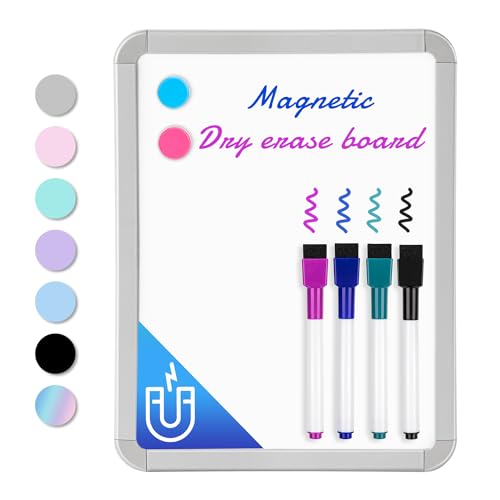
Lets you quickly label each teaching station with the skill name and teacher. Reusable for future swaps and easily visible from across the room, reducing confusion during transitions.
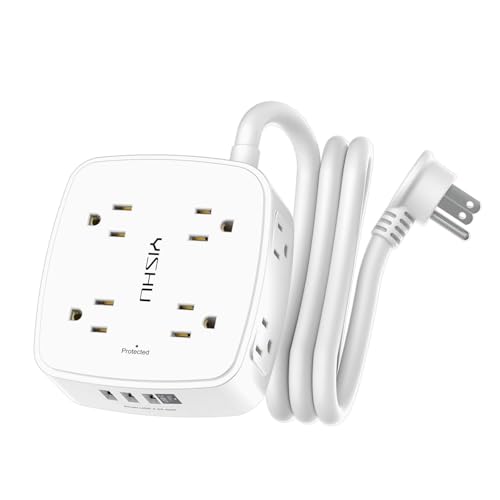
Handles multiple stations needing power for laptops, soldering irons, hot glue guns, or phone chargers without daisy-chaining extension cords. Vertical design saves floor space in crowded setups.
As an Amazon Associate I earn from qualifying purchases. Prices may change.
Step-by-Step Guide
Recruit teachers and collect skill topics
Find 8-12 participants through neighborhood apps or community boards, asking each to teach one 20-minute skill they already know. Two weeks out, gather their topics via shared document—aim for variety like one physical craft, one tech skill, one cooking skill, one repair skill. Avoid overlap so everyone learns something genuinely new.
💡 Pro Tips:
- • Emphasize 'things you already do' to reduce teaching anxiety
- • A good mix: bread baking, bike repair, spreadsheet formulas, watercolor basics, knot-tying
Design the rotation schedule and prep stations
Map out which participant visits which station in each 20-minute block, including 5-minute transition buffers. Secure a venue with distinct spaces for 4-6 stations—community centers or makerspaces beat noisy cafes. The night before, set up stations 8-10 feet apart with cardboard signs, folding tables or floor mats, and access to power outlets.
💡 Pro Tips:
- • Print the full rotation schedule for every person and post a large version at the entrance
- • Bring painter's tape and cardstock for quick station labels
Gather backup supplies and open with intros
Teachers bring their main materials; you provide backup basics like paper, pens, extension cords, cutting mats, scrap materials, and cleaning rags. Start the event with a 10-minute round where everyone states their name, the skill they're teaching, and one skill they hope to learn—it breaks ice and sets shared expectations.
Run timed rotations with a midway break
Execute 4-5 teaching rounds using a loud timer or bell to signal 20-minute intervals. Walk between stations to troubleshoot and capture candid photos with permission. Midway through, pause for 30 minutes of snacks and drinks so people can decompress and chat about what they're absorbing.
💡 Pro Tips:
- • People lose track of time when focused—announce transitions loudly
Close with reflection and exchange contacts
Spend 15 minutes asking 'What surprised you?' and 'Who do you want to keep learning from?' Facilitate direct swaps of phone numbers or emails. Set up a follow-up group chat or thread so participants can continue lessons one-on-one after the event.
💡 Pro Tips:
- • This is when the magic happens—the event becomes a starting point, not an endpoint
Send a recap and plan the next swap
Within 48 hours, share photos and a list of all skills taught. Suggest scheduling another swap in 6-8 weeks with fresh topics. Include a feedback form to refine logistics for next time—noise levels, timing, station setup.
Gear Up for Your Quest
The gear that makes this quest work.
Pull it off

Portable Wireless Timer with Loud Alarm
Keeps rotations on schedule without you having to shout or watch the clock. Participants hear the signal clearly even during noisy demos, maintaining flow and fairness.
+ complete the kit — 3 more

Lets you quickly label each teaching station with the skill name and teacher. Reusable for future swaps and easily visible from across the room, reducing confusion during transitions.
Pack of 8-10 reusable dry-erase boards (5x7 inches) with stands and markers
Get on Amazon · $6.36 — Dry-Erase Station Signs Kitdetails & deals →
Multi-Outlet Power Strip Tower
RecommendedHandles multiple stations needing power for laptops, soldering irons, hot glue guns, or phone chargers without daisy-chaining extension cords. Vertical design saves floor space in crowded setups.
Vertical surge protector with 8-12 outlets and multiple USB ports, 6-foot cord
Get on Amazon · $9.98 — Multi-Outlet Power Strip Towerdetails & deals →
Helps participants remember each other's names during rotations, especially in groups over 10 people. Creates a welcoming vibe and reduces the awkwardness of forgetting someone's name mid-conversation.
50-pack of self-laminating name badge holders with adjustable lanyards
Get on Amazon · $5.99 — Printable Name Tag Sheets with Lanyardsdetails & deals →As an Amazon Associate, IRL Sidequests earns from qualifying purchases at no extra cost to you.
Prices and availability are subject to change. The price shown at checkout on Amazon at the time of purchase will apply.
Editor's Picks
Hand-selected quests our team thinks you'll love

Guerrilla Gardening: Plant Beauty Where It's Not Expected
That cracked sidewalk planter doesn't need to stay dead—fill it with wildflowers at 2AM and watch neighbors smile for months.

Backyard Conversation Workshop
Your backyard becomes the training ground where awkward silences turn into confident conversations.

Community Kitchen & Culinary Connection Hub
The best recipes get passed hand-to-hand, not screen-to-screen.