Most community events trap you in 'What do you do?' loops—this format gets to the real stuff in 10 minutes.
Create recurring community meetups where strangers discuss meaningful topics using structured conversation frameworks that bypass surface-level chatter.
Coffee shops and coworking spaces host shallow networking events nightly, but nobody leaves feeling connected. This quest teaches you to facilitate structured conversation sessions where 6-12 strangers discuss existential questions, personal values, and real struggles instead of job titles and weekend plans. You'll use tested frameworks like '36 Questions' derivatives, ethical dilemma scenarios, and timed rotation systems that prevent dominant talkers from hijacking the room. The mechanics matter more than the venue. A circle of chairs, clear time boundaries, and well-crafted questions do the heavy lifting. You're not moderating a debate or running therapy—you're creating conditions where people feel safe being honest. The first 15 minutes set the tone: ground rules about confidentiality, non-judgment, and equal airtime make or break the experience. By minute 30, watch body language shift from crossed arms to leaning forward. After three sessions, you'll recognize patterns. Some questions consistently spark energy, others fall flat. The extroverts who dominated session one learn to pause. The quiet ones discover they have insights worth sharing. You're not building a friend group overnight, but you're proving that conversations beyond weather and traffic can happen between strangers in your city. The regulars who return week after week aren't there for networking—they're there because someone finally asked them something worth answering.
Secure a consistent venue with circular seating for 6-12 people—library meeting rooms, community centers, or cooperative coffee shops work if you book the same time slot weekly. Avoid loud bars or places with hard time limits under 2 hours.
Design your first question set: 5-7 prompts that escalate from warm-up ('What's a belief you held five years ago that you've completely changed?') to vulnerable ('When did you last feel truly seen by someone?'). Test questions on friends first—skip anything that could trigger trauma without warning.
Create a one-page participant agreement covering confidentiality, equal speaking time (use a visual timer), and the right to pass on any question. Print enough copies for your max capacity—people need to see these rules in writing.
Promote your first session in hyperlocal channels: neighborhood Facebook groups, library bulletin boards, Reddit city subreddits under /r/[yourcity]. Frame it clearly: 'Deep conversation practice, not networking. Leave knowing something real about 5 strangers.'
Arrive 20 minutes early to arrange chairs in a perfect circle (no tables between people), test your timer, and set up a welcome table with name tags and the participant agreements. Play quiet instrumental music as people arrive—it reduces awkward silence.
Start with a 10-minute orientation: introduce yourself briefly, review ground rules, explain the format (5-minute question blocks with 1-minute response windows per person), and emphasize that vulnerability is optional but rewarded by deeper connection.
Launch the first question and model the response length by going first—speak for exactly 60 seconds to set the standard. Use your timer visibly. When someone rambles past time, gently interrupt: 'I'm going to pause you there so everyone gets their turn.' It feels rude the first time. Do it anyway.
Watch for group dynamics issues: if one person monopolizes responses, privately ask them during a break to help you 'make space for quieter voices.' If someone shares something heavy, acknowledge it ('Thank you for trusting us with that') but don't let the group turn into crisis counseling—redirect to the next person.
Close the last 15 minutes with a debrief question: 'What surprised you tonight?' Let people share one-word reactions around the circle. Announce the next session date and ask who plans to return—public commitment increases follow-through.
After your third session, survey participants about question quality and format preferences. Rotate in new questions but keep 1-2 favorites from previous weeks—returning members appreciate some consistency while bringing new people up to speed.
Get everything you need to make this quest amazing.
Non-confrontational way to enforce equal speaking time without constantly checking your phone. The visual sweep makes time limits feel neutral, not personal.
Countdown timer with red disk that visually shows time remaining
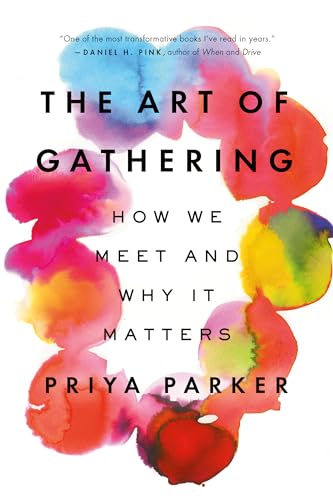
Teaches how to handle difficult group dynamics and create psychological safety in 90 minutes. The chapter on 'generous authority' is worth the price alone.
Book covering facilitation techniques for meaningful group experiences
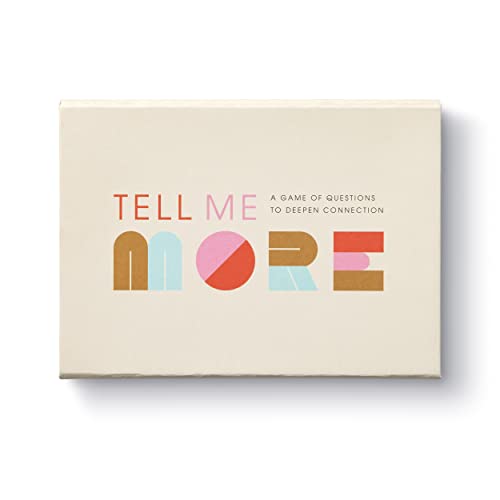
Backup questions when you're stuck designing prompts or want to experiment with different emotional intensities. Good training wheels for first-time facilitators.
Pre-written conversation prompt cards organized by depth level
Background music during arrival reduces awkward silence and signals 'this is a different kind of event.' Cut it when the session starts—silence during responses helps people focus.
Portable speaker for pre-session ambient music
As an Amazon Associate, IRL Sidequests earns from qualifying purchases at no extra cost to you.
Prices and availability are subject to change. The price shown at checkout on Amazon at the time of purchase will apply.
Hand-selected quests our team thinks you'll love

That cracked sidewalk planter doesn't need to stay dead—fill it with wildflowers at 2AM and watch neighbors smile for months.

The best community connections start with showing up, not screens.

The best dinner parties end with everyone leaving smarter than they arrived.