Those faded paint ads on brick walls? They're time capsules worth thousands in stories.
Hunt down faded vintage advertisements painted on brick buildings and learn to read the stories hidden in your city's walls.
Ghost signs are the faded painted advertisements that linger on brick buildings, usually dating from the 1890s to 1960s before billboards took over. They advertised everything from tobacco to tailors, and they're everywhere once you know how to look. Most people walk past them daily without noticing. The paint weathers differently depending on sun exposure—north-facing walls preserve better, while south-facing ones fade to pastels. Morning light between 7-9AM hits brick at the perfect angle to bring out texture and make faint lettering visible. This isn't just photography—it's urban archaeology. You'll learn to spot the telltale rectangular outlines where old signs hide, use historical records to identify what businesses existed, and understand how your city's commercial districts evolved. Some signs reveal brands that vanished decades ago. Others show street names that changed or neighborhoods that completely transformed. The detective work is half the reward. The best hunting grounds are pre-1970s commercial districts, especially near old rail lines or waterfronts. Look at brick walls above eye level—property owners rarely paint up there. Alleys and parking lots expose walls that were once interior. After rain, wet brick makes faded paint pop for about 30 minutes. You'll start seeing your city as layers of history instead of just buildings.
Top gear to make this quest great.

Cuts glare from brick surfaces and deepens color saturation to make faded paint more visible, especially on wet walls or in harsh midday light

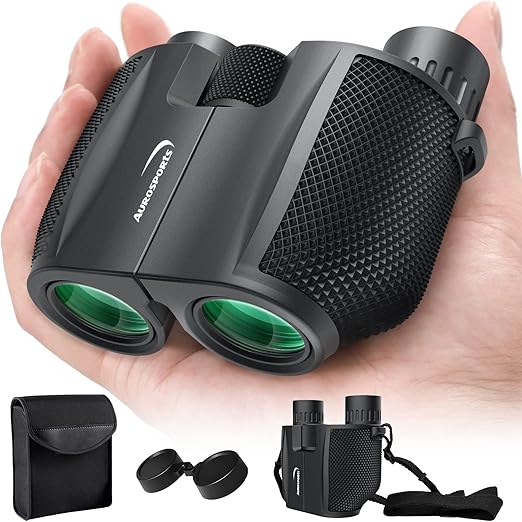
Lets you read faint lettering from street level that's 20-30 feet up without needing to trespass or climb—essential for identifying partial text and makers' marks
As an Amazon Associate I earn from qualifying purchases. Prices may change.
Scout your city's oldest commercial district—typically near the original downtown, rail stations, or industrial waterfronts. Buildings from 1880-1950 with exposed brick are prime targets. Walk alleys and side streets where walls aren't covered by modern construction.
Look UP and at angles. Ghost signs sit 10-30 feet high on brick walls. Check building corners where two signs might meet, above doorways, and on walls now facing parking lots. Early morning or late afternoon light reveals faint lettering through shadow contrast.
When you spot a sign, photograph it straight-on first, then at angles to capture how light plays across the texture. Shoot wide to show the building context, then zoom tight on lettering. Wet brick after rain makes faint paint visible for 20-30 minutes—this is your golden window.
Document the location precisely: street address, which wall (north/south/east/west facing), nearest cross-street. Note any readable text, estimated date based on typography, and the product/service advertised. These details matter for research later.
Research what you found using city directories (available at public libraries or archive.org), old Sanborn fire insurance maps, and local historical societies. Match addresses to businesses. Many ghost signs advertised companies that operated for 80+ years—you might find their descendants still around.
Create a personal map of your finds. Apps like Google My Maps let you pin locations with photos. Pattern recognition emerges: you'll see how certain neighborhoods specialized in industries, how street grids changed, where immigrant communities clustered based on the languages used.
Return to the same signs in different seasons and lighting. A sign invisible in summer might glow in winter's low sun. Document changes—some signs fade noticeably year to year, others last decades unchanged.
Get everything you need to make this quest amazing.
Matches building addresses to historical businesses so you can identify what those faded words once said—turns mystery rectangles into documented history
Historical fire insurance maps showing building footprints, materials, and business names from 1867-1970s, available through many public libraries' digital collections

Cuts glare from brick surfaces and deepens color saturation to make faded paint more visible, especially on wet walls or in harsh midday light
Circular polarizing filter that screws onto your camera lens or clips onto your phone
Get on Amazon · $6.80
Lets you read faint lettering from street level that's 20-30 feet up without needing to trespass or climb—essential for identifying partial text and makers' marks
Lightweight single or dual lens optical magnifier that fits in a pocket
Get on Amazon · $21.10Helps you determine which walls get optimal morning/evening light and predict when faded signs will be most visible—plan return visits for perfect conditions
Smartphone app that shows cardinal directions and sun position through your camera viewfinder
As an Amazon Associate, IRL Sidequests earns from qualifying purchases at no extra cost to you.
Prices and availability are subject to change. The price shown at checkout on Amazon at the time of purchase will apply.
Hand-selected quests our team thinks you'll love

Every sidewalk crack has a story—you just need to know where to look.

That building you pass every day? It's been screaming details at you that you've never noticed.

Your city has layers most people never see—here's how to peel them back.