Your neighborhood's passport stamps taste better than any restaurant row.
Turn your kitchen into a street food exchange where neighbors cook and trade dishes from different cultures. Real cooking, real connections.
Street food carries stories. The taco your neighbor learned from her grandmother in Oaxaca. The bánh mì your coworker perfected after three trips to Hanoi. The samosas that remind someone of monsoon evenings in Mumbai. This quest turns your dining room into a trading post where home cooks bring authentic street food dishes to swap, taste, and talk about. No restaurant markup, no fusion confusion—just real recipes and the people behind them. You'll coordinate a potluck with structure: each cook brings 6-8 portions of one street food dish, plated individually for trading. Set up stations by region or flavor profile. Throughout the evening, participants circulate with their plates, trading portions, asking questions about ingredients and techniques. Someone shows you how to fold a proper dumpling. Another explains why their jerk marinade needs two full days. By the end of the night, you've eaten your way through five countries and have three new recipes texted to your phone. This works because the barrier to entry is one dish you already know how to make. No cooking classes, no expensive ingredients you'll use once. Just the food you grew up with or fell in love with somewhere, shared with people who want to understand it. The conversations around technique—why you torch the onions first, what happens if you skip the fish sauce—teach more than any food blog. You'll leave with a freezer container of leftovers, a list of new cooking friends, and probably plans for next month's theme.
You'll eat your way through five countries in one night without restaurant markup or fusion confusion, just real recipes from the people who know them best. The conversations about why you torch the onions first or what happens if you skip the fish sauce teach more than any food blog. You'll leave with freezer containers, three new recipes on your phone, and a list of cooking friends who actually want to talk technique.
Invite 6-8 people for a home kitchen, or 12-15 if you've got yard space. Send invites three weeks out with the core rule: everyone brings one street food dish in 6-8 individual portions, ready to trade. Define street food loosely—anything you'd eat standing up or from a cart counts.
Clear your dining table to become the trading floor. Set up small plates and utensils in stations, and label areas by cuisine region if you're feeling organized. Keep it casual—this is a tasting market, not a formal dinner, so room temperature works fine for most street food.
Give each cook two minutes to present their dish, explain its origins, and highlight one non-obvious ingredient or technique. Use your phone as a timer to keep people from rambling. This primes everyone for better questions during the trading rounds.
Let participants circulate for 45-60 minutes, swapping portions one-for-one from their plates or trays. Push for real conversations: why this spice, where did you learn this, can I make it without special equipment. Take notes on your phone when someone drops a crucial cooking tip.
Save thirty minutes at the end for communal eating. Everyone gathers with their collected dishes, swaps contact info, and makes recipe requests. This is when people volunteer to host the next swap—lean into the block party energy.
Photograph each dish with the cook's name and country of origin, then create a shared album or group chat for recipe cards and tips. Within 48 hours, send the album link, any promised recipes, and a poll for next month's theme—these swaps die if you wait too long between events.
Get everything you need to make this quest amazing.
Enables live cooking demos (making fresh dosas, searing meat skewers, finishing stir-fries) and maintains proper serving temperature for dishes that lose magic when cold. Game-changer for technique showcases.
Single-burner portable cooking surface for live demonstrations and keeping dishes warm
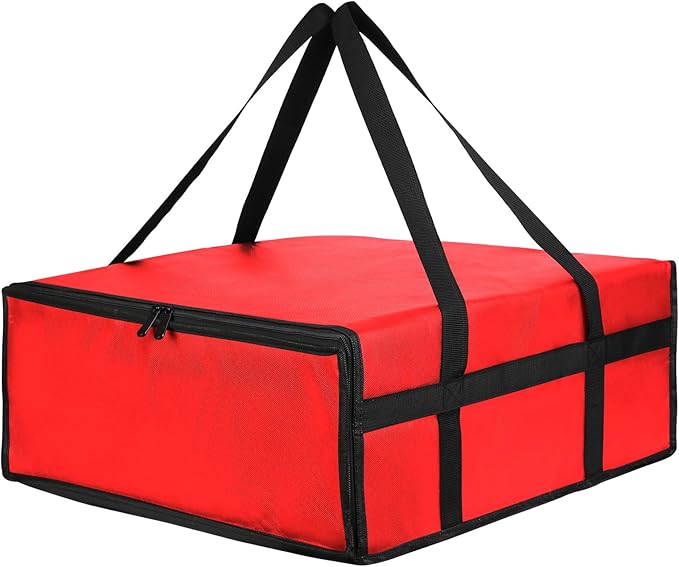
For participants bringing hot dishes from home—keeps fried items crispy, soups hot, and cold items chilled. Eliminates the 'sorry, this was better an hour ago' problem. Essential if people are traveling more than 15 minutes.
Insulated transport bag for maintaining food temperature during travel
If anyone brings dumplings, buns, or sticky rice dishes, you can reheat them properly instead of microwaving. Also works as elevated serving display for authenticity. Shows you respect the food.
Multi-tier stackable steamer for dim sum, buns, and dumplings
As an Amazon Associate, IRL Sidequests earns from qualifying purchases at no extra cost to you.
Prices and availability are subject to change. The price shown at checkout on Amazon at the time of purchase will apply.
Hand-selected quests our team thinks you'll love

That cracked sidewalk planter doesn't need to stay dead—fill it with wildflowers at 2AM and watch neighbors smile for months.

The best recipes get passed hand-to-hand, not screen-to-screen.

The best dinner parties end with everyone leaving smarter than they arrived.