Social Connection Challenges: Combat Loneliness Through Action - Social & Community quest for Intermediate level adventurers

Social Connection Challenges: Combat Loneliness Through Action

Loneliness isn't a personality flaw—it's a skill gap you can close one conversation at a time.

Share:
3 supplies needed· Estimated total: $60+
View supplies

About This Quest

A structured 30-day challenge using conversation cards and intentional social micro-actions to rebuild genuine human connection and fight isolation.

Loneliness has become a health crisis, but most advice about connection feels vague and performative. This isn't about forcing yourself to smile more or joining random clubs. It's a practical 30-day challenge built around conversation cards, recurring-character relationships, and micro-connection tactics that actually work. You'll learn to turn strangers into regulars, silence into dialogue, and isolation into belonging—not through personality transformation, but through repeatable actions. The challenge starts small: ordering coffee with one extra sentence, asking a cashier about their shift instead of saying thanks robotically. By week two, you're using physical conversation card prompts at coffee shops, bars, or parks—picking a card, approaching someone reading alone, and seeing where it goes. Week three introduces the 'regular spot' method: same place, same time, three times a week until faces become familiar. By day 30, you'll have built micro-communities in at least two physical spaces and developed the muscle memory for initiating connection without the anxiety spike. This works because it removes the guesswork. You're not wondering what to say—the cards handle that. You're not hoping for spontaneous friendship—you're engineering repeated low-stakes encounters. I've watched people go from eating lunch in their car to being greeted by name at three different spots. The barista remembers your order. The bookstore owner saves recommendations. The dog park crew expects you Saturdays at 9AM. That's not magic—it's showing up with a system.

Why This Quest Matters

You're not fixing a broken personality—you're building muscle memory for initiating connection without the anxiety spike. By day 30, you'll walk into places where people greet you by name, save recommendations for you, and expect your presence. That shift from invisible to recognized, from isolated to belonging, happens through repeatable actions, not magic.

What You'll Experience

  • How to turn strangers into regulars through strategic repetition
  • Conversation card tactics that remove the guesswork from approaching people
  • The 'third place' method for engineering low-stakes recurring encounters
  • How to identify and focus on the 30% of connections that show reciprocity
  • Systems for maintaining social momentum without constant effort
Duration
15-45 minutes daily for 30 days
Estimated Cost
$60+
Location
Both
Season
Year-round
Family Friendly
All ages welcome

What You'll Need

Top gear to make this quest great.

TableTopics or Conversation Starter Card Deck
TableTopics or Conversation Starter Card DeckPopular

Eliminates the 'what do I say' anxiety by giving you pre-vetted questions that bypass small talk and create genuine engagement. The physical cards act as a social prop—showing someone the deck makes your approach feel less random and more intentional.

$16.95
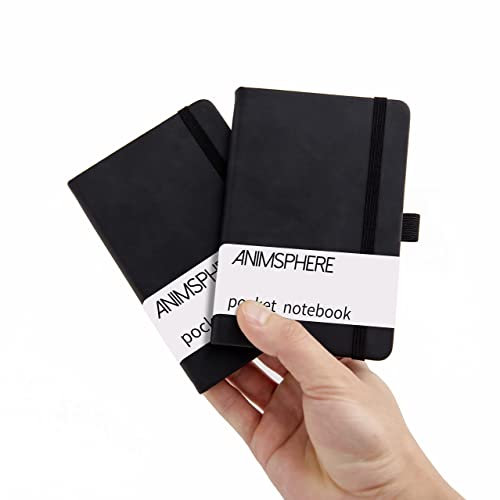
Small Pocket Journal (3x5 or similar)

Discreetly log names, conversation topics, and follow-up ideas immediately after interactions while details are fresh. Helps you remember which barista loves hiking or which regular mentioned their dog's name, making future conversations feel personalized instead of generic.

$5.98
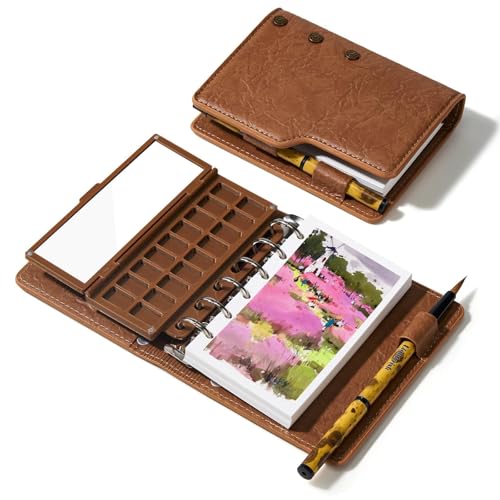
Visible Conversation Piece (Book, Sketch Pad, Unique Item)

Creates passive conversation opportunities—people ask 'What are you drawing?' or 'Is that book good?' which lowers the barrier for strangers to approach you. Acts as a social signal that you're open to interaction without requiring you to initiate every time.

$27.99

As an Amazon Associate I earn from qualifying purchases. Prices may change.

Step-by-Step Guide

1

Claim your third place

Pick one location—coffee shop, library, park bench, bar—and visit three times this week at roughly the same time. Each visit, add one sentence beyond the transaction: compliment a specific detail, ask a low-stakes question about timing or busyness, or introduce yourself to staff by name. Track who smiled back, who engaged, who seemed open in your phone notes.

💡 Pro Tips:

  • Choose a place you can reach without significant friction—within walking distance or on your commute
  • Specificity lands better than generic praise: 'That book has the best twist ending' beats 'Nice book'
2

Deploy conversation cards on strangers

Carry 3-5 open-ended conversation cards to your regular spot. Identify someone sitting alone—reading, working, waiting—walk over and say: 'I'm doing this weird social experiment—want to answer a question?' Show the card face-up. Use prompts like 'What's a skill you wish you had?' or 'What's the best meal you've had this month?' Talk 5-10 minutes if they engage, thank them and move on if they decline. Do this four times this week across different people.

💡 Pro Tips:

  • Holding the card visibly makes your approach feel structured, not creepy
  • Exit gracefully when the conversation naturally winds down—don't overstay momentum
3

Become a recurring character

Pick two locations and visit each twice this week, same day and time. Greet staff by name. Sit in the same area. Bring something visible that invites questions—a sketchbook, a unique water bottle, a book with a bold cover. If you see the same person twice, acknowledge it: 'Hey, you were here last Tuesday too, right?' Build recognition, not deep friendship yet.

💡 Pro Tips:

  • Consistency matters more than duration—two 20-minute visits beat one random hour
4

Suggest a next step

With someone you've talked to twice, propose a low-commitment plan: 'I'm checking out that farmers market Saturday morning—want to meet there around 10?' or 'There's trivia night here Wednesdays—you seem like you'd crush the music round.' Also attend one group activity where you know zero people—board game night, running club, volunteer shift. Use conversation cards if anxiety spikes.

💡 Pro Tips:

  • Public, time-bounded invitations feel safer than open-ended hangouts
  • Revisit your Week 1 spot and notice who recognizes you or initiates conversation first
5

Lock in your maintenance rhythm

Schedule recurring social exposures: same coffee shop Tuesday mornings, dog park Saturday 9AM, library Thursday evenings. Accept that 70% of micro-connections won't deepen—focus on the 30% that show reciprocity. Join one structured weekly group to maintain consistent low-pressure contact. Keep conversation cards in your bag for momentum stalls. Review your notes monthly and adjust locations or tactics as needed.

Gear Up for Your Quest

Get everything you need to make this quest amazing.

TableTopics or Conversation Starter Card Deck

TableTopics or Conversation Starter Card Deck

EssentialPopular
$16.95

Eliminates the 'what do I say' anxiety by giving you pre-vetted questions that bypass small talk and create genuine engagement. The physical cards act as a social prop—showing someone the deck makes your approach feel less random and more intentional.

Physical card deck with 100+ open-ended conversation prompts designed to spark meaningful dialogue

Get on Amazon · $16.95

Small Pocket Journal (3x5 or similar)

Small Pocket Journal (3x5 or similar)

Recommended
$5.98

Discreetly log names, conversation topics, and follow-up ideas immediately after interactions while details are fresh. Helps you remember which barista loves hiking or which regular mentioned their dog's name, making future conversations feel personalized instead of generic.

Compact notebook that fits in a back pocket for tracking social interactions and observations

Get on Amazon · $5.98

Visible Conversation Piece (Book, Sketch Pad, Unique Item)

Visible Conversation Piece (Book, Sketch Pad, Unique Item)

Optional
$27.99

Creates passive conversation opportunities—people ask 'What are you drawing?' or 'Is that book good?' which lowers the barrier for strangers to approach you. Acts as a social signal that you're open to interaction without requiring you to initiate every time.

An object you carry that naturally invites questions or comments from others

Get on Amazon · $27.99

As an Amazon Associate, IRL Sidequests earns from qualifying purchases at no extra cost to you.

Prices and availability are subject to change. The price shown at checkout on Amazon at the time of purchase will apply.