Turn your city into a living laboratory for sustainable systems.
Document and audit your city's sustainability infrastructure through hands-on exploration, data collection, and community engagement.
Cities hide their sustainable infrastructure in plain sight. Solar panels on bus stops, rain gardens disguised as landscaping, bike-share systems humming along. This quest turns you into an urban sustainability detective, systematically documenting what your city does right and where it falls short. You'll walk different neighborhoods with specific criteria, measuring access to green infrastructure, waste systems, alternative transit, and energy solutions. The goal isn't judgment—it's understanding patterns. Why does one neighborhood have composting while another doesn't? Where do the bike lanes actually connect, and where do they dump riders into traffic? The real value emerges when you start connecting dots. You'll photograph infrastructure gaps, count accessibility points, talk to residents about what works and what doesn't. By the end, you'll have a personal sustainability map that reveals how your city functions from the ground up. This isn't about armchair activism—it's about boots-on-the-ground data collection that informs everything from where you choose to live to what you advocate for in city council meetings. The documentation you create becomes a baseline. Return quarterly and you'll track actual change: new bike racks, expanded recycling programs, community gardens that weren't there before. You're building institutional knowledge about your city's sustainability evolution, one street corner at a time. The smartphone in your pocket becomes a research tool, and your neighborhood becomes a case study in urban environmental design.
Define your audit zones: Pick 3-5 distinct neighborhoods representing different demographics and development eras. Include downtown, residential suburbs, and mixed-use areas for contrast. Map walking routes that cover main streets and side streets—aim for 1.5-2 miles per zone.
Create your audit checklist: Break sustainability into categories—waste management (recycling/compost access), green space (parks, street trees, rain gardens), transit (bus stops, bike infrastructure, EV charging), water systems (permeable surfaces, storm drains), and energy (solar installations, LED streetlights). Rate each on a 1-5 scale for accessibility and condition.
Walk Zone 1 during morning hours (7-10AM): Document rush-hour transit patterns. Count how many people use bike lanes versus sidewalks. Photograph bus stop conditions, shade coverage, and real-time arrival displays. Check trash cans—are they overflowing? Do recycling bins exist? Note the ratio of cars to alternative transit.
Assess green infrastructure in Zone 1: Measure tree canopy coverage by estimating shade percentage on streets. Identify rain gardens, bioswales, and permeable pavement installations. Document park amenities—water fountains, native plantings, composting signs. Use the LiDAR feature in your measurement app to estimate building heights and their shade impact.
Map waste and water systems: Locate all public recycling and trash bins within your route. Photograph sorting instructions—are they clear? Check storm drains for street debris buildup indicating poor maintenance. Look for greywater systems, cisterns, or green roofs on buildings. Note any community composting drop-off points.
Document energy infrastructure: Identify solar panels on buildings, bus shelters, parking meters. Check street lighting—LED upgrades have a distinct white light versus yellow sodium. Locate EV charging stations and note if they're in use. Photograph any wind installations or green energy signage.
Conduct informal interviews: Ask 3-5 people per zone about their sustainability experience. Sample questions: 'Do you know where your nearest recycling center is?' 'Would you bike here if infrastructure improved?' 'Have you noticed environmental changes in the past year?' Record voice notes immediately after conversations.
Repeat process for Zones 2-3: Visit second zone during afternoon (1-4PM) to capture different activity patterns. Third zone during early evening (5-7PM) for commute patterns. Compare how infrastructure performs under different usage loads. Are bike racks full? Do recycling bins overflow at certain times?
Compile comparison data: Create a simple spreadsheet comparing zones across categories. Calculate scores for transit accessibility, waste management, green space quality, and energy infrastructure. Identify clear winners and gaps. Map your findings using a basic tool—even Google My Maps works.
Write your sustainability report: Summarize findings in 2-3 pages with photos. Highlight three specific wins (what the city does well) and three priority gaps (what needs improvement). Include actionable recommendations with specific locations. This becomes your advocacy document.
Share findings strategically: Post neighborhood-specific insights to local social media groups with constructive tone. Email your city's sustainability office with the full report. Submit infrastructure gap photos to 311 apps or equivalent reporting systems. Tag local council members if appropriate.
Establish monitoring schedule: Set calendar reminders to re-audit every three months. Track specific infrastructure points—did that empty lot become a rain garden? Did bike lanes get extended? Document changes with before/after photos. Your longitudinal data becomes increasingly valuable over time.
Get everything you need to make this quest amazing.
OsmAnd, Maps.me, or Gaia GPS apps with downloadable offline maps and route recording
Get This ItemHandheld laser distance measurer (up to 100ft range) or digital caliper for precision measurements
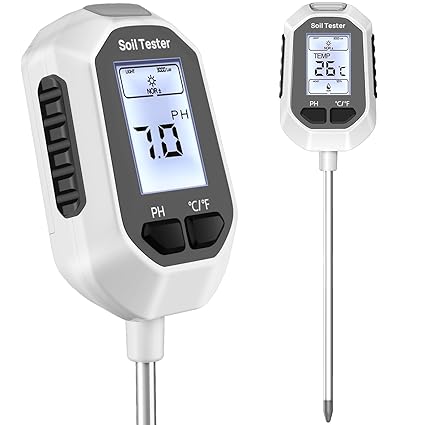
Get This Item3-in-1 analog meter testing soil pH, moisture, and light levels without batteries
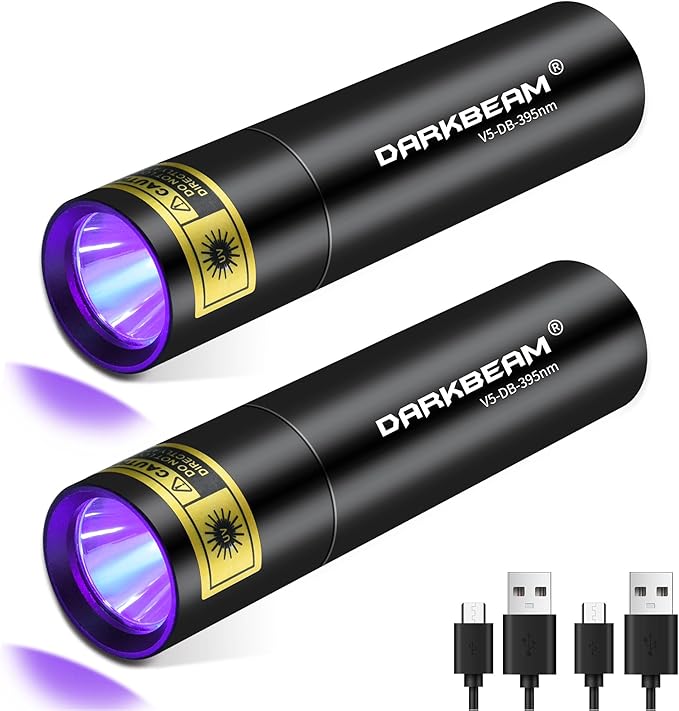
Get This Item395nm UV LED mini flashlight for revealing hidden markings and materials
Get This Item💙 Shopping through these links helps support IRL Sidequests at no extra cost to you. Thanks for making adventures possible!
Hand-selected quests our team thinks you'll love

Cozy, gooey, unforgettable nights.

Turn your kitchen into a mad scientist’s bar.

Sharpshooter bragging rights start here.