IRL Sidequests
Complete Urban Documentation & Media Hub - Urban Exploration quest for Intermediate level adventurers

Complete Urban Documentation & Media Hub

One city block. Four media formats. A complete archive of urban life most people walk past daily.

About This Quest

Transform any city block into a multi-layered media production. Create synchronized photo essays, audio walks, video shorts, and written narratives documenting urban change, architecture, and street culture.

Urban environments change faster than we document them. That corner store becomes a chain. The mural gets painted over. The regular who fed the pigeons stops showing up. This quest teaches you to create a complete media archive of urban spaces before they transform—combining still photography, video, field audio, and written narrative into a comprehensive documentation project. You'll learn to work like documentary producers do: shooting B-roll while recording ambient sound, capturing establishing shots that match your written descriptions, interviewing subjects on camera and in audio-only formats. The goal isn't just pretty pictures—it's creating a layered, multi-sensory record that captures what a place actually feels like. Morning light hits brick differently than afternoon sun. Rush hour sounds nothing like Sunday morning. Your documentation captures all of it. This isn't social media content creation—it's archival work with immediate creative output. You'll leave with synchronized assets ready for podcast episodes, YouTube documentaries, photo essays, or long-form articles. More importantly, you'll have developed a replicable system for documenting any urban environment systematically, whether you're tracking neighborhood gentrification, preserving immigrant business districts, or simply recording your own block before it changes.

Duration
4-6 hours
Estimated Cost
$60+
Location
Outdoor
Season
Year-round
Family Friendly
All ages welcome

Step-by-Step Guide

1

Scout your target area the day before. Walk the full perimeter between 7-9 AM and 5-7 PM to understand light patterns and foot traffic rhythms. Note which storefronts catch morning sun, where shadows fall at golden hour, and when streets hit peak activity. Mark these observations in a simple map.

2

Set up your audio recording first—it's the most time-sensitive element. Capture 2-minute ambient sound recordings at each corner of your documentation zone. Hold completely still. No talking. Just pure environmental audio: traffic patterns, store music bleeding onto sidewalks, construction noise, bird calls, conversations in different languages. Time-stamp each recording.

3

Shoot your establishing photography during the best light (usually first 2 hours after sunrise or 2 hours before sunset). Use a wide-angle perspective to capture full storefronts, street corners, and architectural details. Photograph every doorway, every sign, every piece of street furniture. Shoot high and low—manhole covers matter as much as rooflines. Take 3 versions of key shots: clean (no people), populated (showing actual use), and detail (signage, wear patterns, graffiti).

4

Conduct your video documentation during peak activity hours. Shoot 15-30 second sequences of movement: people entering shops, cars turning corners, dogs being walked, delivery trucks unloading. Keep the camera steady. Let action play out without panning constantly. Capture the rhythm of how people actually move through this space. Include at least 5 minutes of locked-off 'surveillance style' footage from an elevated position.

5

Interview 3-5 people who occupy the space regularly: shop owners, postal workers, longtime residents, street vendors. Record audio-only first (less intimidating), then offer to shoot video if they're comfortable. Ask specific questions: 'How has this block changed in the time you've known it?' 'What happens here that most people don't notice?' 'What will be gone in 5 years?' Let them talk. Your job is to shut up and press record.

6

Write your field notes immediately after documentation, while sensory details are fresh. Don't aim for polish—capture what your other media can't. How things smelled. The texture of aged brick under your hand. The body language between the barista and regular customers. Specific overheard conversations. Temperature shifts between sun and shade. These observational notes transform your media from generic city footage into something specific and irreplaceable.

7

Organize your assets that evening using a consistent file naming system: YYYYMMDD-location-mediatype-number (20260315-main-street-audio-001). Create a simple spreadsheet linking related assets: which audio files correspond to which photos, which interview quotes match which video footage. This metadata work seems tedious but makes your archive actually usable later.

8

Edit a 90-second proof-of-concept piece combining all four media types: video footage with ambient audio underneath, still photos on key beats, interview audio overlaid on relevant B-roll. This test edit reveals gaps in your coverage and confirms your documentation system works before you invest more time.

Gear Up for Your Quest

Get everything you need to make this quest amazing.

External Lapel Microphone with Windscreen

Essential
$25-45

Clip-on lavalier microphone with foam windscreen and 6+ foot cable, compatible with smartphones via TRRS adapter

Get This Item

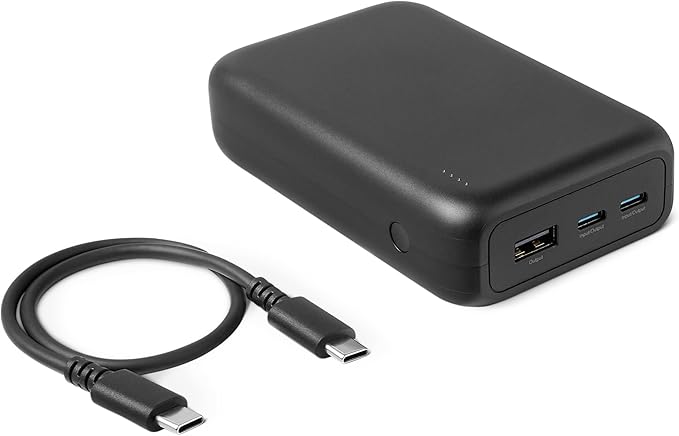
Portable Power Bank (20,000mAh+)

Essential
$30-50

High-capacity battery pack with multiple USB ports for charging phone and audio equipment

Get This Item

Voice Recording App with Timestamping

Essential
$0

Mobile app like Voice Record Pro or ASR Voice Recorder with automatic timestamp markers and cloud sync

Get This Item

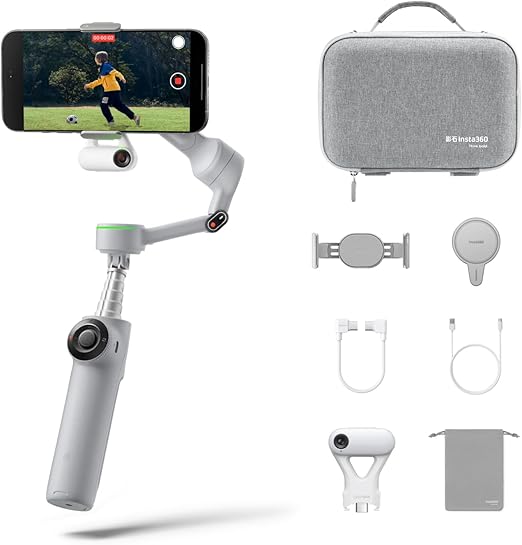
Smartphone Gimbal Stabilizer

Recommended
$60-120

3-axis motorized stabilizer for smooth smartphone video recording during walking shots

Get This Item

💙 Shopping through these links helps support IRL Sidequests at no extra cost to you. Thanks for making adventures possible!