Turn your community into quest designers—everyone knows something worth doing that others don't.
Build a collaborative library of real-world micro-adventures with your community using proven quest design frameworks and shared documentation.
Your neighborhood librarian knows the best sunrise spot in town. Your coworker has a ten-minute meditation technique that actually works. Your barista can identify twenty coffee varieties by smell. Everyone in your community has knowledge worth sharing, but most of it stays locked in their heads. This workshop transforms local experts into quest designers, building a collaborative library of micro-adventures anyone can complete. I ran my first quest design session at a community center in Portland, expecting maybe six people. Seventeen showed up. Within two hours, we had documented everything from a historical graffiti walking tour to a "best bathroom acoustics for singing" challenge. The retired architect created a brutalist building scavenger hunt. The high school student mapped every community garden with free herb samples. What made it work wasn't fancy facilitation—it was giving people a structured template and permission to think their weird local knowledge mattered. This isn't about creating the perfect quest. It's about building a shared repository of "things to do" that reflect your community's actual character. You'll leave with 10-15 documented quests, a submission process for ongoing contributions, and a core group of people who now see their neighborhood differently. The best part: watching someone complete a quest designed by their neighbor, then come back with modifications and improvements. That's when the library becomes living knowledge instead of static content.
Set up your workshop space with tables that seat 3-4 people each. Post large printed quest templates on the walls showing the key elements: objective, location, time required, step-by-step instructions, and why it matters. I use 24x36 poster prints—people reference them constantly throughout the session.
Start with a five-minute lightning round where everyone shouts out activities they know how to do that others might not. Write everything on a whiteboard, no filtering. This generates 30-50 ideas quickly and shows the range of possibilities. The weird ones often become the most popular quests.
Demonstrate quest design by walking through one example in real-time. Pick something simple like "find the quietest outdoor spot within five blocks." Write it on the template as a group, showing how to break it into specific, testable steps. Emphasize concrete details over vague descriptions—"turn left at the blue mailbox" beats "head north."
Break into small groups of 3-4 people. Each group selects 2-3 ideas from the brainstorm list and spends 20 minutes documenting one quest. Circulate between groups asking clarifying questions: "How would someone who's never been here complete this step?" "What's the specific sensory detail that tells you you're in the right place?"
After 60 minutes, rotate groups. Each team moves to another table and attempts to complete the quest documentation in front of them just by reading the instructions. They add questions, missing steps, or clarifications directly on the template. This peer review catches 80% of unclear directions.
Reconvene and have each original group present their quest in 60 seconds, incorporating feedback. Vote on the top three quests to test immediately as a group. Actually go do them—even if it's just walking around the block. You'll discover what needs adjustment.
Document all quests digitally using a shared spreadsheet or Notion database. Include: quest title, designer name, category, estimated time, difficulty, detailed instructions, seasonal notes, and required supplies. Add a submission form link so community members can contribute new quests between workshops.
Establish a simple review process: two people must test and verify each submitted quest before it goes live in your library. This maintains quality without bureaucracy. I use a "quest testing" channel in our community Discord where people claim quests to verify and report back.
Print a sample "Quest Pack" of your top 10 quests as a physical booklet or zine. Distribute at local coffee shops, libraries, and community centers. Include the submission form URL on the back page. Physical artifacts get way more engagement than purely digital libraries.
Schedule quarterly follow-up workshops where people share stories from completed quests, submit modifications, and design new ones. The library stays relevant because it evolves with your community's changing interests and discovered locations.
Get everything you need to make this quest amazing.
Enables collaborative design where everyone can see and contribute to quest documentation simultaneously, critical for group feedback and iteration
Pack of 50 sheets for creating wall-mounted quest templates and group work surfaces
Allows community members to submit and iterate on quests asynchronously, essential for maintaining momentum after the initial workshop ends
Digital workspace for remote contributors and ongoing quest development between workshops
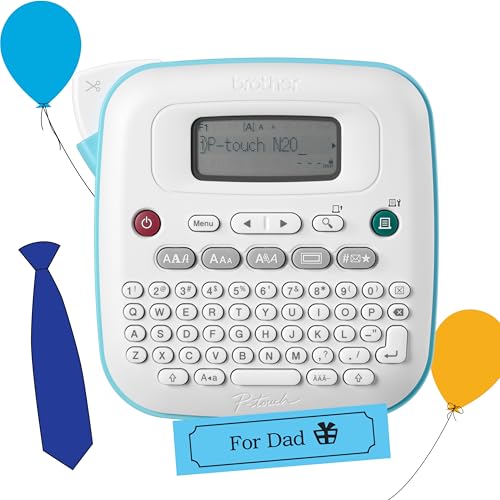
Lets you mark physical locations mentioned in quests with weather-resistant labels, making them easier for newcomers to find and verify
Handheld device for creating durable quest markers and location tags
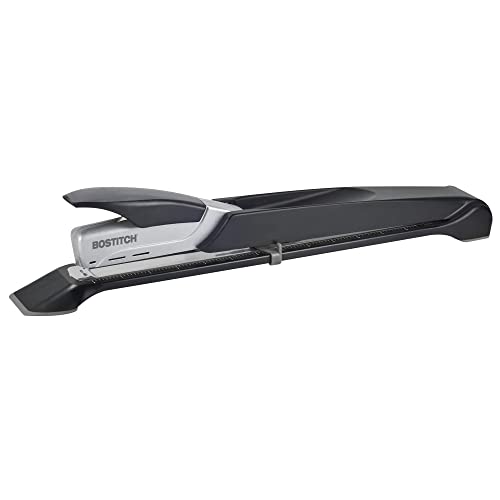
Enables professional-looking quest booklet creation for distribution, significantly increases pickup rate at community locations compared to loose pages
Specialty stapler for binding multi-page quest zines with centered staples
As an Amazon Associate, IRL Sidequests earns from qualifying purchases at no extra cost to you.
Prices and availability are subject to change. The price shown at checkout on Amazon at the time of purchase will apply.
Hand-selected quests our team thinks you'll love

That cracked sidewalk planter doesn't need to stay dead—fill it with wildflowers at 2AM and watch neighbors smile for months.

The best community connections start with showing up, not screens.

The best dinner parties end with everyone leaving smarter than they arrived.