Community-Led Urban Activities: Organize Neighborhood Events That Bring Your City to Life
Turn your neighborhood into a vibrant hub of connection—one community activity at a time.
About This Quest
Transform your neighborhood through community-led urban activities. Learn expert strategies to organize pop-up events, street activities, and local gatherings that strengthen urban communities.
Community-led urban activities represent the grassroots heartbeat of modern city living, transforming underutilized public spaces into vibrant gathering points that strengthen neighborhood bonds. From pop-up picnics in pocket parks to DIY street art festivals and skill-share sessions on sidewalks, these citizen-organized events demonstrate how ordinary residents can become extraordinary community architects. Research from urban planning institutes shows that regular community activities increase neighborhood trust by 43% and reduce feelings of urban isolation significantly. This quest guides you through the complete process of conceptualizing, organizing, and executing community-led urban activities that resonate with your neighborhood's unique character. You'll learn to navigate permits, rally volunteers, design inclusive programming, and create sustainable event models that can be replicated by others. Whether you're organizing a block party, a community garden workday, a neighborhood cleanup with live music, or a pop-up maker's market, this framework ensures your activities deliver meaningful social impact while building lasting community infrastructure. The beauty of community-led urban activities lies in their scalability and adaptability—start with a simple monthly meetup and watch it evolve into a neighborhood institution. By 2026, cities worldwide recognize these grassroots initiatives as essential urban revitalization tools, with many municipalities now offering streamlined permitting and modest funding for community organizers who demonstrate consistent engagement and inclusive programming.
Why This Quest Matters
You'll watch strangers become neighbors with names, see an empty lot transform into a gathering point, and realize you hold more power to shape your city than you thought. One event breaks the ice; by the third, you've built something that outlasts you—a neighborhood culture where people actually know each other.
What You'll Experience
- How to navigate city permits and identify free community resources
- The mechanics of volunteer recruitment and event logistics at neighborhood scale
- Personal strategies for introducing strangers and facilitating organic connection
- Which types of activities create lasting bonds versus one-time attendance
- How to build sustainable event models that others can replicate
What You'll Need
Top gear to make this quest great.
Pull it off
Portable PA System with Battery Power
Amplifies announcements, music, and facilitator voices in outdoor settings without electrical outlets, making activities accessible to larger groups and creating professional atmosphere that signals legitimacy
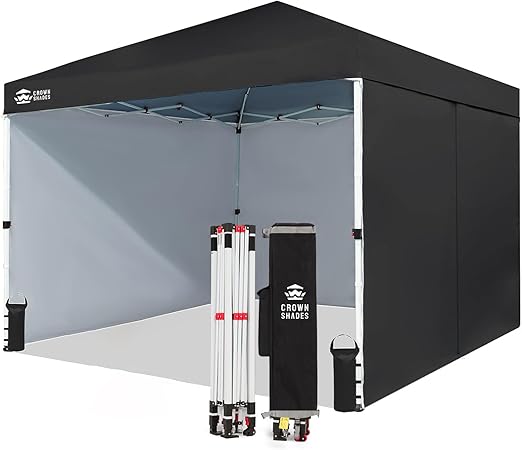
Creates defined activity headquarters, provides weather protection for materials and volunteers, establishes visual anchor point that helps people locate the event, and enables activities in light rain or intense sun
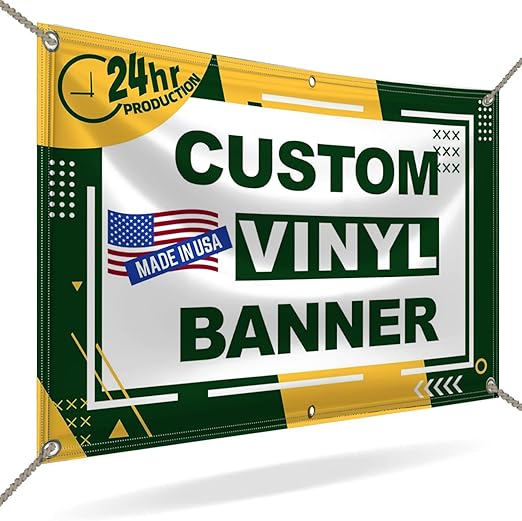
Creates visual brand recognition for recurring activities, signals professionalism that builds trust, can be reused across multiple events reducing per-event costs, and serves as wayfinding for first-time participants
As an Amazon Associate I earn from qualifying purchases. Prices may change.
Step-by-Step Guide
Scout needs and choose your activity
Walk your neighborhood with fresh eyes, noting empty lots, underused parks, and patterns of isolation. Talk to neighbors on stoops and in shops about what's missing. Document 3-5 specific activity ideas—block party, skill-share session, pop-up market—then pick one that addresses a real gap you've observed.
💡 Pro Tips:
- • Visit your neighborhood at different times of day; you'll spot different underutilized spaces and different faces
- • Look for activities that already happen informally (neighbors chatting, kids playing) and build structure around them
Assemble your organizing crew
Recruit 3-7 neighbors who bring different strengths—someone with design skills, someone who knows every business owner, someone who plans logistics for a living. Hold your first meeting to finalize which activity you're running, establish ground rules around accessibility and inclusion, and divide the work ahead.
💡 Pro Tips:
- • Invite at least one person who's been in the neighborhood for decades and one who just moved in
- • Skip the endless planning meetings; one initial session plus quick check-ins works better than monthly committees
Navigate permits and build partnerships
Contact your city's parks department or community board to learn permit requirements, insurance needs, and timelines. Simultaneously, visit nearby businesses, community centers, and neighborhood associations to introduce your concept—many will offer table loans, space, promotional help, or modest sponsorship once they see you're serious.
💡 Pro Tips:
- • Start this process 6-8 weeks before your target date; city offices move slowly
- • Frame your ask to businesses as a partnership, not a donation request—they gain foot traffic and goodwill
Map logistics and spread the word
Create a detailed timeline working backward from event day. Map your exact location with a backup option, design the activity flow with specific timing, and plan for accessibility (seating, shade, language). Build a simple budget using free resources first. Then create basic flyers and go door-to-door in the immediate blocks to personally invite neighbors—this face-to-face work matters more than social media. Recruit specific volunteers for setup, facilitation, and cleanup.
💡 Pro Tips:
- • Aim for 10-15% of expected attendees to volunteer in some capacity—this builds ownership
- • Personal invitations yield 3-4x the turnout of posted flyers alone
Run the event with flexibility
Arrive early with your volunteer team. Set up welcoming entry points with clear signage so newcomers don't feel lost. As people arrive, actively introduce neighbors who don't know each other—this is your most important job. Take photos and quick video clips. Stay flexible; if the energy pulls toward something unplanned, let it. Document impact through brief conversations about how people are experiencing the event.
💡 Pro Tips:
- • Wear something identifiable so people know who to approach with questions
- • The best community activities feel slightly chaotic; don't over-program every minute
Capture feedback and plan next steps
Before people leave, gather quick feedback through conversation or simple one-question cards. Within a week, debrief with your organizing team: what worked, what flopped, whether this should repeat. Share outcomes with participants and your city contacts, establishing credibility for future events. Decide together if this becomes monthly, seasonal, or one-off—and who takes the organizing lead next time.
Gear Up for Your Quest
The gear that makes this quest work.
Pull it off

Portable PA System with Battery Power
Amplifies announcements, music, and facilitator voices in outdoor settings without electrical outlets, making activities accessible to larger groups and creating professional atmosphere that signals legitimacy
+ complete the kit — 3 more

Pop-Up Canopy with Sidewalls
RecommendedCreates defined activity headquarters, provides weather protection for materials and volunteers, establishes visual anchor point that helps people locate the event, and enables activities in light rain or intense sun
10x10ft instant shelter with removable weather-resistant sidewalls and carrying bag
Get on Amazon · $235.99 — Pop-Up Canopy with Sidewallsdetails & deals →Event Management Mobile App (Mobilize or Action Network)
RecommendedStreamlines volunteer recruitment and scheduling, sends automated reminders to reduce no-shows, tracks participant engagement across multiple events, and provides analytics to improve future activities
Specialized community organizing platform with volunteer coordination, RSVP tracking, and communication tools

Creates visual brand recognition for recurring activities, signals professionalism that builds trust, can be reused across multiple events reducing per-event costs, and serves as wayfinding for first-time participants
Durable vinyl banner (3x6ft) featuring your community activity name and recurring schedule
Get on Amazon · $36.96 — Custom Neighborhood Banner with Grommetsdetails & deals →As an Amazon Associate, IRL Sidequests earns from qualifying purchases at no extra cost to you.
Prices and availability are subject to change. The price shown at checkout on Amazon at the time of purchase will apply.
Editor's Picks
Hand-selected quests our team thinks you'll love

Guerrilla Gardening: Plant Beauty Where It's Not Expected
That cracked sidewalk planter doesn't need to stay dead—fill it with wildflowers at 2AM and watch neighbors smile for months.

Backyard Conversation Workshop
Your backyard becomes the training ground where awkward silences turn into confident conversations.

Community Kitchen & Culinary Connection Hub
The best recipes get passed hand-to-hand, not screen-to-screen.