Every sidewalk crack tells a story you're walking over without reading.
Learn to read the hidden language of utility marks, hobo codes, and survey symbols etched into city sidewalks and alleyways.
Cities write on themselves constantly. Utility crews spray-paint cryptic codes before digging. Surveyors chisel coordinates into concrete. Contractors stamp dates into wet sidewalks. Even hobos from the 1930s left symbols warning or welcoming those who came after. Most people step over these marks daily without seeing them. This quest teaches you to spot, photograph, and decode the infrastructure language hiding in plain sight. The best hunting grounds are older neighborhoods where layers of time stack up—look for faded paint over older paint, metal survey disks embedded in corners, and those mysterious colored markings that appear days before construction crews arrive. Early morning or late afternoon light reveals shallow engravings that disappear in harsh noon sun. You're not vandalizing or trespassing; you're reading public infrastructure like an archaeologist reads pottery shards. This isn't about finding Instagram-perfect street art. It's about training your eye to see systems—how a city coordinates its underground maze of pipes, wires, and tunnels through a visual shorthand that's been evolving for over a century. Once you learn the codes, every walk becomes a treasure hunt through municipal archaeology.
Pick a 6-block radius in an older part of your city—pre-1980s construction shows more variety in marking styles. Avoid newly developed areas where everything's been repaved.
Start at intersections and alleyways. Utility markings cluster near corners where multiple services cross. Look down at the pavement, not at storefronts.
Photograph every marking you find with the macro lens attachment positioned to eliminate glare. Spray-paint fades fast; you're documenting ephemeral infrastructure communication.
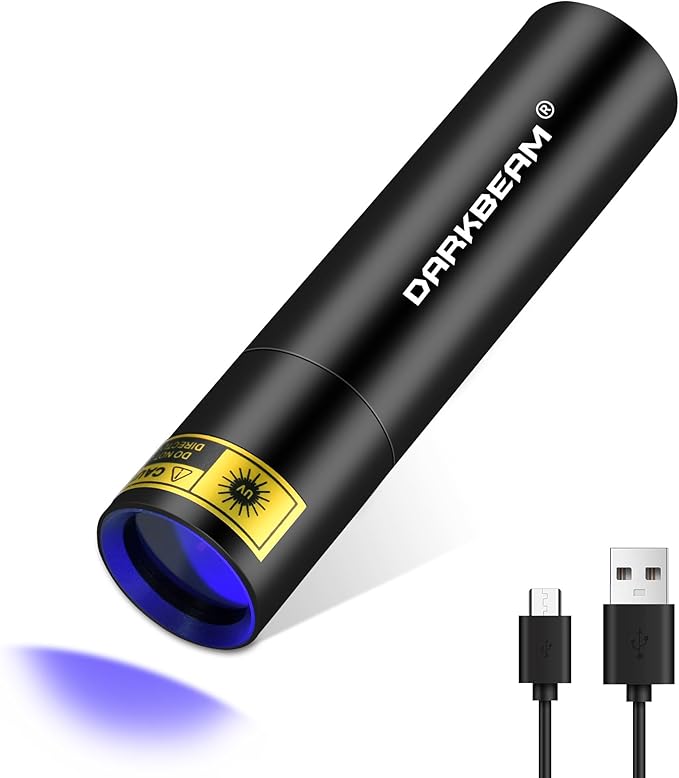
Use the UV flashlight on older concrete during dusk. Some historical markings fluoresce under UV, especially older surveyor paints and certain railroad chalk.
Decode as you go using the APWA Uniform Color Code: White (proposed excavation), Red (electric), Yellow (gas/oil), Orange (telecom), Blue (water), Green (sewer), Purple (reclaimed water). Note variations—cities sometimes use local codes.
Hunt for survey markers: brass disks stamped with dates and coordinates, usually set in concrete at property corners or high points. The USGS and local surveying offices maintain databases you can cross-reference.
Document three distinct marking types: fresh utility paint (document the color combinations), stamped contractor marks (often including dates), and any historical symbols (old railroad marks, depression-era hobo codes near rail yards).
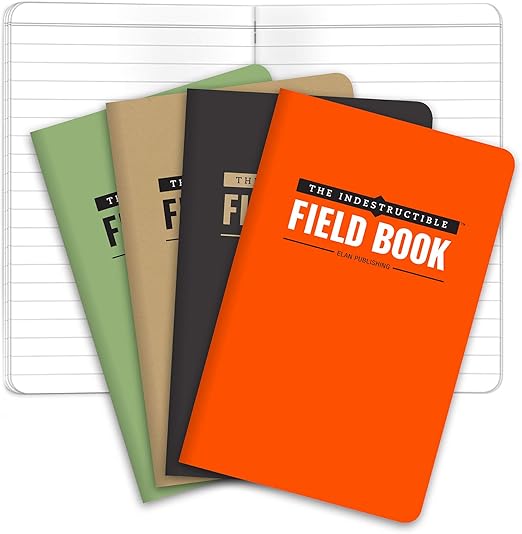
Map your findings on the field notebook's grid paper or use a GPS app to create a walking route. Note locations where marks overlap—these intersection points reveal infrastructure complexity.
Research one marking type deeper when you get home. Local utility company websites often publish their specific color codes. Historical societies document hobo symbol meanings. Surveying forums decode marker abbreviations.
Return to the same route in three months. Infrastructure marks are temporary communication—watch how they fade, get painted over, or predict actual construction.
Get everything you need to make this quest amazing.
Clip-on 10x-15x macro lens that attaches to smartphone camera
Get This ItemHandheld ultraviolet flashlight specifically 365nm wavelength
Get This ItemCompact all-weather notebook with grid or dot pages
Get This Item💙 Shopping through these links helps support IRL Sidequests at no extra cost to you. Thanks for making adventures possible!
Hand-selected quests our team thinks you'll love

Cozy, gooey, unforgettable nights.

Turn your kitchen into a mad scientist’s bar.

Sharpshooter bragging rights start here.