IRL Sidequests
Advanced Urban Exploration Skills - Urban Exploration quest for Expert level adventurers

Advanced Urban Exploration Skills

Navigate abandoned structures like a pro—spot hazards before they spot you.

About This Quest

Level up your urbex game with advanced navigation, safety protocols, and documentation techniques for exploring abandoned buildings and forgotten urban spaces.

Advanced urban exploration isn't about trespassing for Instagram likes. It's about developing the situational awareness, technical knowledge, and documentation skills that separate amateurs from experienced explorers. You'll learn to read structural damage patterns, navigate spaces with compromised floors, and document sites methodically while respecting their history. This quest assumes you already know basic urbex ethics and have explored surface-level abandoned sites. Now you're ready for spaces that require actual technical skill. The difference between basic and advanced urbex is risk assessment. When you step into a pre-war industrial building, you need to read rust patterns on support beams, identify asbestos insulation from across a room, and know which floor sections will hold weight. You'll practice these assessments in controlled scenarios before attempting solo explorations. Morning light through broken windows hits differently at 7AM versus 10AM—the low angle reveals structural details you'll miss later. You'll learn to move deliberately, test surfaces before committing weight, and always maintain three points of contact in vertical spaces. Documentation matters because these places disappear. Fire, demolition, or collapse erases them faster than you'd think. You'll develop a systematic approach: wide establishing shots, architectural details, signage, then the small human artifacts that tell stories. A rusted lunch pail. Graffiti dates. Worker schedules still pinned to walls. Your photos become historical records, not just portfolio pieces. You'll also learn when NOT to document—some discoveries deserve privacy, and some locations are better left unpublicized.

Duration
3-4 hours
Estimated Cost
$60+
Location
Outdoor
Season
Year-round

Step-by-Step Guide

1

Scout your target location during daylight hours from public areas. Note entry points, visible structural damage, security presence, and nearby foot traffic patterns. Document vehicle activity if applicable. Never scout alone—bring a partner who stays visible outside.

2

Research the site's history and construction date. Pre-1980s buildings in industrial zones likely contain asbestos. Post-war concrete structures have specific failure patterns. Knowing construction era tells you what hazards to expect and which areas deteriorate first.

3

Conduct exterior structural assessment. Look for bowing walls, fresh cracks in masonry, displaced support beams, and vegetation growth patterns that indicate water damage. Check foundation settling. If exterior shows severe compromise, abort—interior is exponentially more dangerous.

4

Plan your entry route and two separate exit routes. Identify rally points outside if separated from your team. Share detailed location info with someone not entering the site. Set check-in times. This isn't paranoia; it's protocol when floors can collapse.

5

Enter during optimal light conditions—typically 2-3 hours after sunrise. Bring your inspection mirror to check around corners and under debris before moving through spaces. Test floor integrity with the mirror's handle before stepping on questionable surfaces.

6

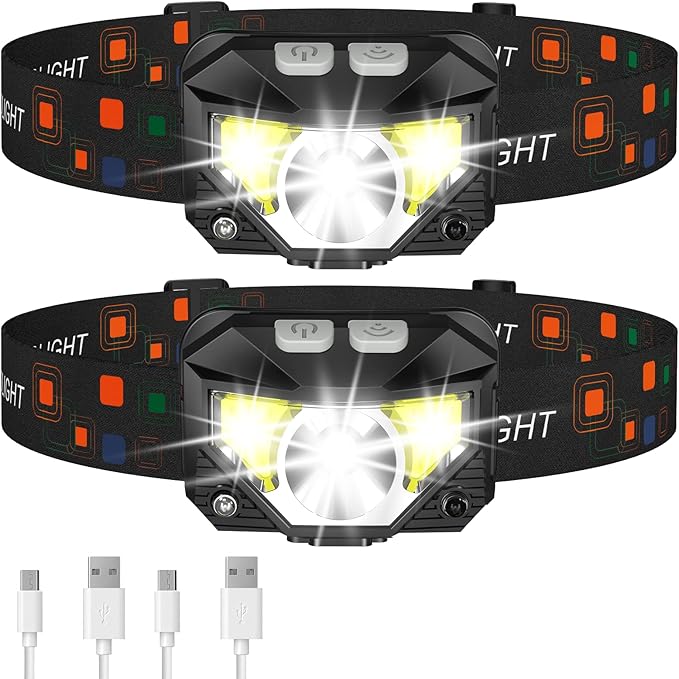
Move methodically through the first room. Check ceiling stability—look for sagging, water stains, and detached fixtures. Identify all exits before moving deeper. Use your angle-head flashlight to inspect dark corners without entering them. Map as you go.

7

Practice the three-point contact rule in any vertical movement. When crossing questionable floors, distribute weight by moving along walls or support beam lines. Avoid centers of rooms in multi-story buildings. If boards creak loudly, back off and find another route.

8

Document systematically: establishing shots from each room's entrance, then move clockwise capturing architectural details, machinery, signage, and personal artifacts. Shoot at f/8 or higher for depth of field in low light. Bracket exposures for HDR if needed.

9

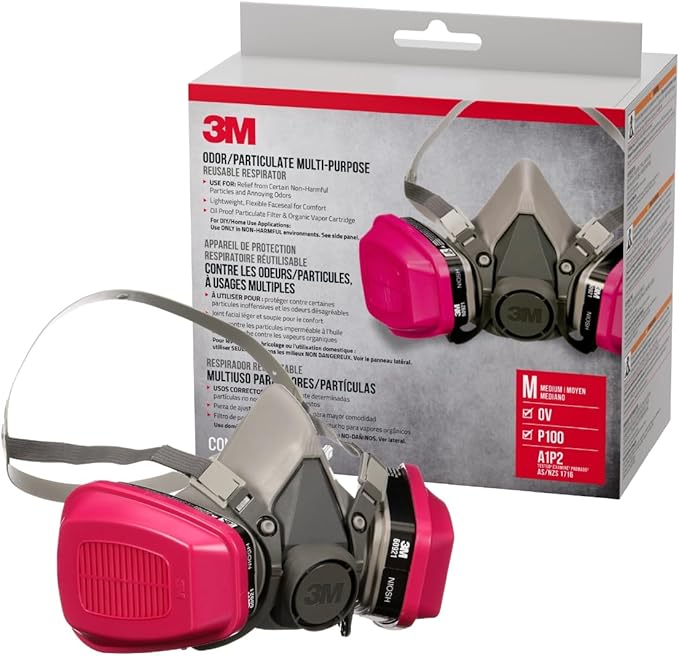
Use your respirator when entering basement levels, rooms with visible mold, or any space with disturbed dust. Asbestos fibers don't care about your artistic vision. If you smell ammonia, leave immediately—you've found an active drug operation or pest infestation.

10

When you encounter graffiti or tags dated within the last month, assume the site has regular visitors. Adjust your timeline and awareness accordingly. Fresh footprints in dust mean someone was here recently. Empty beer cans could mean teenagers or squatters—both unpredictable.

11

Practice ethical artifact handling: photograph items in place without disturbing them. No souvenir taking. These objects tell stories only when left in context. Move carefully around debris—disturbing settled dust can damage the very atmosphere that makes these spaces powerful.

12

Exit using your planned route. Do a final visual sweep to ensure you're leaving no trace of entry. Check all team members are accounted for. Once outside, decontaminate boots to avoid spreading invasive plant seeds or hazardous materials to other sites.

Gear Up for Your Quest

Get everything you need to make this quest amazing.

Telescoping Inspection Mirror with LED

Essential
$25-35

Extendable mirror (18-36 inches) with built-in LED lighting used by contractors for checking tight spaces

Get This Item

Half-Face Respirator with P100 Filters

Essential
$45-65

Professional-grade respirator with replaceable P100 particulate filters rated for asbestos, mold, and lead dust

Get This Item

Angle-Head Tactical Flashlight with Red Filter

Essential
$30-50

Hands-free 90-degree LED flashlight with clip attachment and red light mode for preserving night vision

Get This Item

Digital Structural Moisture Meter

Recommended
$35-55

Pin-type moisture meter used by home inspectors to measure water content in wood and drywall

Get This Item

UrbEx Safety Protocol App

Recommended
$0

Specialized mobile app for logging entry/exit times, GPS coordinates, and automated emergency contact alerts if check-ins are missed

Get This Item

💙 Shopping through these links helps support IRL Sidequests at no extra cost to you. Thanks for making adventures possible!