IRL Sidequests
Year-Round Foraging Calendar: Track Wild Food Through All Seasons - Nature & Outdoors quest for Beginner level adventurers

Year-Round Foraging Calendar: Track Wild Food Through All Seasons

Your neighborhood has a grocery store that's open 365 days a year—you just need to know where to look.

About This Quest

Build a personalized foraging calendar tracking wild edibles through spring greens, summer berries, fall nuts, and winter bark. Document what grows when in your specific region.

Most people think foraging is a spring and summer hobby, but wild food doesn't disappear when the leaves fall. In January, you can harvest pine needles for tea and dig for burdock root under frozen ground. March brings chickweed before anything else greens up. July means blackberries staining your fingers purple. October offers acorns and hickory nuts that'll last months. December has rosehips still clinging to thorny branches, packed with more vitamin C than oranges. This quest challenges you to document twelve months of wild food in your specific area. Not generic lists copied from books, but your observations: when the dandelions actually flower on that south-facing slope, which oak drops acorns first, where serviceberries ripen two weeks early because of sun exposure. You'll build a calendar that works for your microclimate, your elevation, your weird local weather patterns. The rhythm changes how you see your surroundings. That empty lot becomes a chicory patch. The woods behind the parking lot hide morel mushrooms in April. Your morning walk routes shift to check on elderflower buds, then berries, then the dried umbels for tea. You start noticing what migrating birds eat, where deer browse, which weeds the city never sprays. After a full year, you'll have a reference guide worth more than any field manual because it's hyper-local, tested, and yours.

Duration
12 months (15-30 minutes weekly)
Estimated Cost
$60+
Location
Outdoor
Season
Year-round
Family Friendly
All ages welcome

Step-by-Step Guide

1

Pick your documentation method: paper calendar, digital spreadsheet, or a dedicated foraging journal. Mark it January through December with space for weekly notes.

2

Start wherever you are in the year. Head outside this week and identify three plants you already know are edible in your area—dandelions, plantain, wild onions, clover. Record their current state: flowering, dormant, seeding, etc.

3

Each week, spend 15-30 minutes walking the same route: a park, trail, vacant lot, or suburban greenway. Observe what's changing. Take photos of buds forming, flowers opening, fruits ripening, leaves dying back.

4

Document the date when you first spot each edible: 'Garlic mustard greens big enough to pick—March 18.' 'First blackberries ripe—July 2.' 'Acorns falling, caps still on—September 24.' These dates are your baseline for next year.

5

For each plant, note the specific location and conditions: 'Wild strawberries under oak trees on east side of trail, full sun, sandy soil.' Microclimates matter—things ripen at different times fifty feet apart.

6

Try harvesting and eating at least one new-to-you edible each month. Start simple: dandelion greens in spring, wood sorrel in summer, acorns in fall, pine needle tea in winter. Cook it, photograph it, write how it tasted.

7

Mark the end of seasons too: 'Last morels—May 15.' 'Blackberries finished—August 1.' Knowing when plants stop producing is as valuable as knowing when they start.

8

Cross-reference your observations with weather data: late frost, early rain, heat waves. Over multiple years, you'll see patterns between weather and wild food timing.

9

By December, review your full year. Which months had the most edibles? What gaps exist? Are there plants you saw but didn't identify yet? Mark those as research goals for next cycle.

10

On January 1st of 2027, start year two with last year's data. Compare: did things happen earlier or later? Your calendar becomes more accurate with each passing season.

Gear Up for Your Quest

Get everything you need to make this quest amazing.

Regional Foraging Field Guide

Essential
$18-35

Comprehensive identification book specific to your geographic region with clear photos and harvest timing

Get This Item

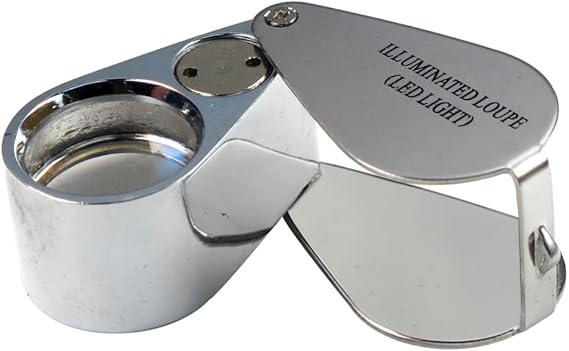
Jeweler's Loupe (10x Magnification)

Recommended
$12-25

Pocket magnification tool for examining leaf edges, stem hairs, and spore prints up close

Get This Item

Plant Identification App (Premium)

Recommended
$30-50/year

AI-powered plant ID software with offline database access and community verification (iNaturalist Pro, Seek, PlantNet Premium)

Get This Item

Harvest Basket with Liner

Optional
$25-40

Traditional woven basket with removable cloth liner for collecting delicate greens and mushrooms

Get This Item

💙 Shopping through these links helps support IRL Sidequests at no extra cost to you. Thanks for making adventures possible!