IRL Sidequests
Wild Edibles Cookbook & Preservation Academy - Nature & Outdoors quest for Intermediate level adventurers

Wild Edibles Cookbook & Preservation Academy

That 'weed' in your backyard might be dinner—and you can preserve it for winter.

About This Quest

Transform foraged plants into preserved foods using traditional and modern techniques. Learn identification, harvest timing, and safe preservation methods.

Most people walk past edible plants daily without recognizing them. This quest teaches you to identify, harvest, and preserve wild edibles using methods that extend shelf life from days to months. You'll work through the complete cycle: field identification with multiple confirmation points, ethical harvesting that ensures plant regeneration, and preservation techniques including fermentation, dehydration, and infusion. The real skill isn't just finding plants—it's knowing when a chickweed leaf is past prime (when flowers appear), understanding why you never take more than 30% from a patch, and mastering the exact salt ratios that prevent botulism in your fermented ramps. This isn't about survival scenarios or replacing grocery stores. It's about developing observational skills that change how you see landscapes, learning preservation chemistry that connects you to pre-industrial food culture, and creating pantry items with flavors you can't buy. You'll make mistakes—a batch of dandelion wine that tastes like lawn clippings teaches you more than perfect pickled purslane. By your third season, you'll notice microclimates that extend harvests by weeks and taste differences between plants from clay versus sandy soil. The preservation component requires precision. Fermentation depends on salt percentages measured by weight, not volume. Dehydration needs consistent airflow and temperatures below 115°F to preserve enzymes. Infusions extract different compounds at different proof levels. You'll document everything: harvest dates, weather conditions, processing methods, storage duration, taste changes over time. This data becomes your regional wild edibles almanac, specific to your microclimate and more valuable than any generalized guidebook.

Duration
4-6 hours per session
Estimated Cost
$15 - $30
Location
Both
Season
Year-round
Family Friendly
All ages welcome

Step-by-Step Guide

1

Acquire three reputable field guides specific to your bioregion—cross-reference every identification across all three before harvesting. Download the iNaturalist app and join local foraging groups to verify species with experienced identifiers. Spend two weeks observing without harvesting, photographing plants through their daily light changes, noting what grows near them.

2

Learn the dangerous look-alikes first: water hemlock versus wild carrot, false morels versus true morels, nightshade species versus ground cherries. Create a 'no-touch' photo collection of toxic plants in your area. The goal is pattern recognition—Queen Anne's lace has a hairy stem and one dark floret in the center; poison hemlock has smooth purple-spotted stems and a musty smell.

3

Start with the 'universal edibles' that have no toxic look-alikes: dandelion, chickweed, plantain, clover. Harvest in early morning after dew dries but before midday heat. Use scissors or pruning shears—never uproot unless intentionally wildcrafting roots. Take scattered pickings from large populations, never more than one-third from any single plant cluster.

4

Process harvests within two hours of collection. Sort by preservation method: tender greens for fermentation or immediate dehydration, flowers for infusions, roots for dehydration or alcohol extractions, seeds for dry storage. Wash in cold water three times, spin or pat completely dry—moisture invites mold.

5

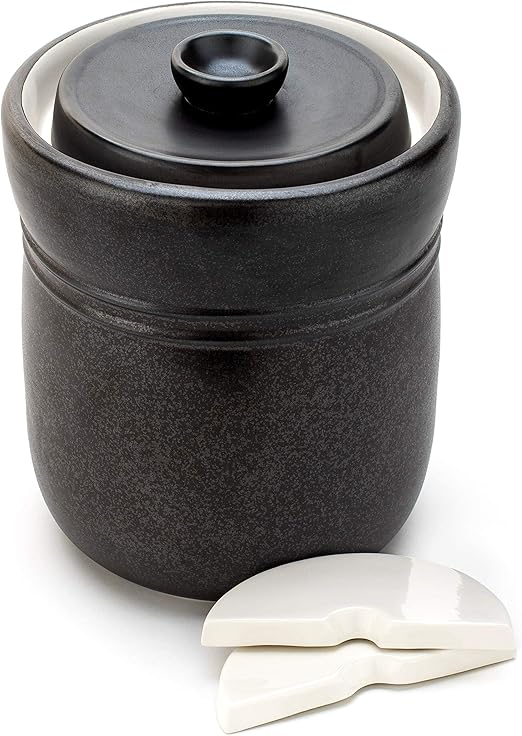
For fermentation: Weigh cleaned greens, calculate 2% salt by weight for lacto-fermentation. Chop coarsely, massage with salt until liquid releases, pack tightly into sterilized jars leaving one-inch headspace. Use fermentation weights to keep material submerged. Ferment at 65-75°F for 5-21 days, tasting daily after day five. Refrigerate when tanginess reaches desired level.

6

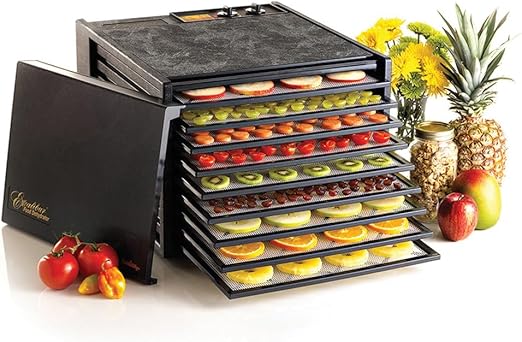
For dehydration: Arrange in single layers on dehydrator trays with airflow space. Dehydrate leafy greens at 95-110°F for 2-6 hours until crisp. Roots at 125°F for 6-12 hours until brittle. Test dryness by snapping—should break cleanly, not bend. Store in airtight containers with oxygen absorbers, checking weekly for moisture for first month.

7

For infusions and tinctures: Use 80-100 proof alcohol for most applications, 190 proof for resin-heavy plants. Ratio of 1:5 herb to alcohol by weight for fresh material, 1:4 for dried. Macerate in amber glass jars for 4-6 weeks in cool, dark location, shaking daily. Strain through unbleached muslin, press solids to extract remaining liquid, bottle in dropper bottles with labels including plant species, harvest date, and location.

8

Create a preservation log: date harvested, species, location specifics, plant growth stage, weather preceding harvest, preservation method details, storage location, monthly taste tests with notes. This log reveals patterns—maybe your fermented nettles from the creek drainage taste grassier than hillside nettles, or spring violets make better syrup than fall ones.

9

Build your wild edibles pantry systematically over seasons. Spring: dandelion crowns, violet flowers, chickweed, young nettles. Summer: purslane, lamb's quarters, elder flowers, wild mint. Fall: acorns (after leaching), rosehips, sumac berries, wild grape leaves. Winter: pine needles for tea, medicinal barks, evergreen tips. Diversity ensures nutritional range and hedges against crop failures.

10

Test preservation stability by storing small batches at different temperatures and light exposures. Label one jar for immediate use, one for three-month storage, one for six-month. Track color retention, aroma changes, texture shifts, and taste evolution. Ferments often improve with age; dehydrated materials can lose volatile oils over time.

11

Connect with regional preservation traditions. The Appalachian practice of 'leather britches' (dried green beans) applies to many wild greens. Korean jangs fermentation techniques work beautifully with North American ramps and garlic mustard. Scandinavian preservation in salt brine suits coastal foraged seaweeds.

12

Advance to complex preparations: wild fermented hot sauces using foraged peppers, dehydrated wild mushroom powders for umami seasoning, herb-infused vinegars for winter salads, wild fruit leather combinations. Each preservation method unlocks different flavor compounds—fermentation creates new glutamates, dehydration concentrates sugars, alcohol extracts bitter medicinal compounds.

Gear Up for Your Quest

Get everything you need to make this quest amazing.

Digital Gram Scale (3000g capacity, 0.1g precision)

Essential
$25

Accurate scale for measuring herbs and calculating salt percentages

Get This Item

Excalibur 9-Tray Food Dehydrator

Recommended
$280

Professional-grade dehydrator with horizontal airflow and adjustable thermostat (95-165°F)

Get This Item

Fermentation Crock with Weights (2-gallon)

Recommended
$65

Ceramic crock with water-seal airlock and weighted stones

Get This Item

Amber Glass Bottles with Droppers (12-pack, 2oz)

Recommended
$22

Light-protective bottles for storing tinctures and infusions

Get This Item

UV Flashlight (365nm wavelength)

Optional
$18

Ultraviolet flashlight for detecting certain plant compounds

Get This Item

💙 Shopping through these links helps support IRL Sidequests at no extra cost to you. Thanks for making adventures possible!