Turn your city into a wildlife discovery zone. Learn to spot, identify, and document urban animals and plants in unexpected places.
Cities aren't nature deserts—they're adaptation laboratories. That red-tailed hawk perched on the apartment fire escape hunts pigeons at dawn. The raccoon family in the alley behind the dumpster has mapped every trash schedule in a six-block radius. Wildflowers crack through sidewalk gaps with more determination than most people show at the gym. This quest teaches you to spot these urban survivors, understand their routines, and document the wild city most people walk past.
You'll learn field identification basics: how to distinguish crow species by their calls, why certain plants thrive in parking lot cracks, which trees attract specific birds. The best urban wildlife zones aren't parks—they're transitional spaces. Railroad corridors. River embankments. Cemetery edges. Industrial buffer zones. Places where the city's control loosens and wild things slip through.
This isn't passive observation. You'll track patterns, map territories, and build a digital field guide of your neighborhood's ecosystem. Morning offers the best action—less foot traffic, more animal confidence. Bring patience and quiet shoes. The city's wild side reveals itself to those who stop rushing through it.
Why This Quest Matters
You'll start seeing your neighborhood as a functioning ecosystem instead of concrete backdrop. That hawk hunting from the fire escape, those wildflowers cracking through asphalt—they're not accidents, they're adaptations you can decode. Your morning commute becomes a wildlife corridor with stories worth tracking.
What You'll Experience
Field identification basics for urban bird species by call and appearance
How to locate and interpret wildlife sign: scat, trails, territorial markers
Which micro-habitats concentrate urban wildlife and why
Pattern recognition: tracking animal routines and territory boundaries
Contributing observations to citizen science databases
What You'll Need
Top gear to make this quest great.
Pull it off
Compact 8x42 Binoculars
Enables detailed observation from 20-100 feet without spooking animals. The 8x magnification is ideal for city distances—10x is too much shake, 6x isn't enough detail. You need to see the eye ring on that hawk or the ear tufts on that bat.
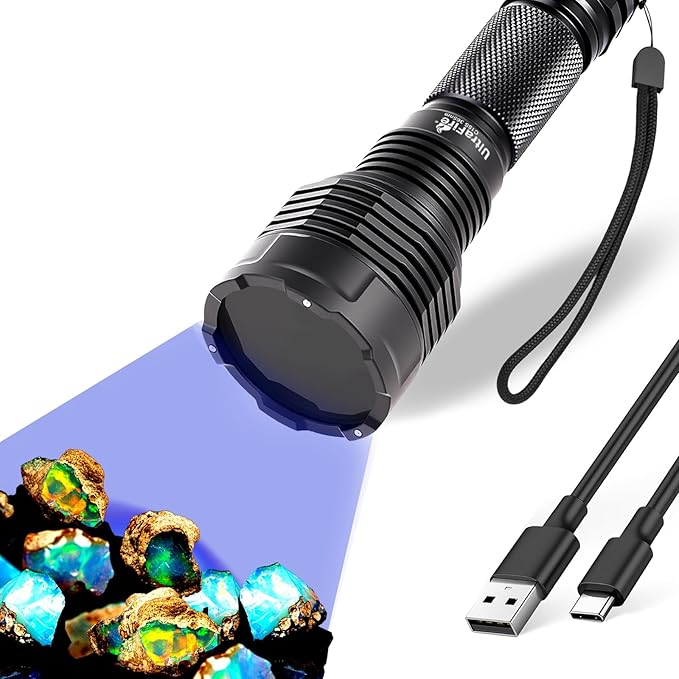
Reveals the invisible city. Rodent urine trails glow blue-white under UV, showing you exactly which routes they use. Some lichens and fungi fluoresce. Scorpions (yes, even in northern cities sometimes) light up green. Changes how you see supposedly 'clean' urban spaces.
Apps fail when your phone dies or loses signal in that concrete canyon. A physical guide gives you comparison plates, range maps, and behavioral notes. Get one specific to your region—urban wildlife in Phoenix differs drastically from Chicago.
As an Amazon Associate I earn from qualifying purchases. Prices may change.
Step-by-Step Guide
1
Prep your digital field kit
Download iNaturalist and create an account—you'll use it to verify species and contribute observations to citizen science databases. Scout your target zone the day before: look for wildlife indicators like scat, feathers, gnawed vegetation, and animal trails through overgrown areas. Note potential blind spots like alleys, rooftop edges, and utility corridors.
💡 Pro Tips:
• Railroad corridors, cemetery edges, and industrial buffer zones often harbor more wildlife than manicured parks
• Check storm drains for bat roosts, dumpster areas for raccoons, and any water source for herons or turtles
2
Hunt at dawn in neutral colors
Start between 5:30-7:30 AM when wildlife activity peaks and human foot traffic is lowest. Dress in neutral colors and move slowly—you're entering their territory. Begin with birds: listen first for territorial calls or alarm screeches, then use binoculars to identify without disturbing.
💡 Pro Tips:
• Learn to distinguish crow species by their calls—it's easier than visual ID from a distance
3
Document every sighting with precision
Photograph each animal, its habitat, and identifying features. Capture location data. Upload everything to iNaturalist for AI identification and community verification—you're building a localized ecosystem map. Don't skip plants: those sidewalk crack survivors and fence-line natives are resilience case studies worth documenting.
💡 Pro Tips:
• Get multiple angles of birds—wing patterns often clinch the ID
• Note the time of day for each sighting; it helps establish activity patterns
4
Track patterns across multiple visits
That red-tailed hawk isn't randomly perching—it's hunting from the same three spots. Fresh coyote scat on the trail means it's using this corridor regularly, probably around 3 AM based on freshness. Rabbit droppings mark warren entrances. Return at different times to map these behaviors and territories.
💡 Pro Tips:
• Raccoons map trash schedules like delivery routes—watch for repeated patterns around dumpsters
5
Build and share your wildlife map
Use Google Maps to create a custom layer marking wildlife hotspots, micro-habitats, and species territories. This map grows more valuable with each visit. Connect with local wildlife monitoring groups or citizen science projects—your observations contribute to urban ecology research and help track how species adapt to city life.
Enables detailed observation from 20-100 feet without spooking animals. The 8x magnification is ideal for city distances—10x is too much shake, 6x isn't enough detail. You need to see the eye ring on that hawk or the ear tufts on that bat.
Records bird calls and identifies species in real-time. The sound ID feature is remarkable—hold it up, let it listen, get instant results. Download your regional bird pack for offline use. Unlike generic apps, this pulls from serious ornithological databases.
Free Cornell Lab of Ornithology app that identifies birds by photo, song, or descriptive characteristics with offline capability
Reveals the invisible city. Rodent urine trails glow blue-white under UV, showing you exactly which routes they use. Some lichens and fungi fluoresce. Scorpions (yes, even in northern cities sometimes) light up green. Changes how you see supposedly 'clean' urban spaces.
Ultraviolet flashlight for detecting animal traces invisible in normal light, including urine trails, certain fungi, and scorpions
Apps fail when your phone dies or loses signal in that concrete canyon. A physical guide gives you comparison plates, range maps, and behavioral notes. Get one specific to your region—urban wildlife in Phoenix differs drastically from Chicago.
Physical regional wildlife identification book specific to urban environments, covering local mammals, birds, reptiles, insects, and plants
Your neighborhood harbors more species than you think—and scientists need your eyes on the ground.
Document and map wildlife in your city while contributing to real scientific databases. Learn identification techniques and join the citizen science movement.