The best wildlife encounters happen three blocks from your apartment, not three states away.
Learn to locate, observe, and photograph urban wildlife in your neighborhood. Discover tracking techniques and ethical interaction practices for coyotes, hawks, raccoons, and more.
Urban wildlife operates on a schedule most people sleep through. Red-tailed hawks perch on water towers at dawn scanning for rats. Coyotes trot down alleyways at 5:47 AM before the garbage trucks start their routes. Raccoons leave muddy handprints on dumpster lids, and possums shuffle through storm drains you walk past every day without noticing. This quest teaches you to read your city like wildlife does. You'll learn to spot hawk whitewash on sidewalks that reveals hunting perches above, identify raccoon latrines that map territorial boundaries, and recognize the deer trails worn into hillside parks. The goal isn't getting close or feeding animals—it's understanding their patterns well enough to predict where they'll be and documenting them without disruption. You'll spend more time looking at the ground than the sky. Tracks in mud, scat on trails, scratches on tree bark, and fur caught on chain-link fences tell you what moved through an area hours before. Once you map these signs, you'll position yourself in the right place at the right time with your lens ready. The city becomes a different place when you realize a family of Cooper's hawks has been nesting in that oak tree since March, or that the same fox crosses the community college parking lot every Tuesday at dusk.
Scout your neighborhood between 5:30-7:30 AM for three consecutive days. Walk the same route, noting activity patterns: where pigeons flush from rooftops, where crows gather, where you see fresh tracks or scat. Early morning reveals patterns because human activity is minimal.
Map wildlife corridors by identifying green spaces, water sources, and connective paths. Look for railroad tracks, creek beds, park chains, and utility easements. Urban animals follow these routes—a coyote in Denver uses the same drainage ditch system residents ignore.
Set up observation posts at key intersections of wildlife corridors and food sources. Arrive 30 minutes before expected activity time. Sit still on the ground or against structures to minimize your profile. The binoculars let you observe from 50+ feet without disturbing behavior.
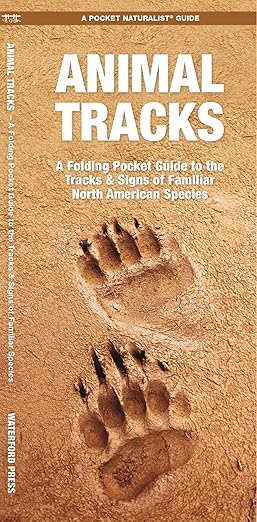
Document signs before animals: photograph tracks in mud (place a coin for scale), scat on trails, scratch marks on trees, and feeding sites. Use the field guide to identify species. These signs predict where to focus your observation time.
Practice ethical photography by using the telephoto lens to maintain distance. Never bait, corner, or pursue wildlife. If an animal changes behavior because of you—freezes, stops feeding, moves away—you're too close. Back up and wait.
Record behavioral observations in a tracking log: species, time, location, weather, activity (hunting/feeding/traveling), and direction of movement. After two weeks, patterns emerge. You'll know the Cooper's hawk hunts the north side of the park at 6:15 AM when light is low.
Share findings with local wildlife organizations or community science platforms like iNaturalist. Your documentation contributes to urban ecology research and helps others locate species.
Get everything you need to make this quest amazing.
Mid-range binoculars with good low-light performance and close focus capability under 8 feet
Get This ItemWaterproof field guide specific to your region showing tracks, scat, feeding signs, and behavior patterns
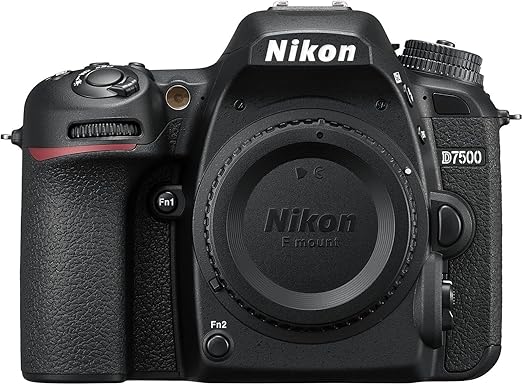
Get This ItemLong focal length lens for full-frame or crop sensor camera, or bridge camera with 400-600mm equivalent zoom range
Get This ItemHeadlamp with UV LED for tracking scorpions/insects and red light mode for night observation without disturbing wildlife
Get This Item💙 Shopping through these links helps support IRL Sidequests at no extra cost to you. Thanks for making adventures possible!
Hand-selected quests our team thinks you'll love

Cozy, gooey, unforgettable nights.

Turn your kitchen into a mad scientist’s bar.

Sharpshooter bragging rights start here.