IRL Sidequests
Urban Wildlife Interaction & Conservation - Nature & Outdoors quest for Beginner level adventurers

Urban Wildlife Interaction & Conservation

The raccoon family in the alley knows more about your neighborhood than you do—time to meet them properly.

About This Quest

Learn to identify, observe, and support urban wildlife in your city through ethical interaction practices and conservation efforts.

Your city isn't concrete and glass alone—it's a patchwork ecosystem where hawks hunt pigeons above parking garages, coyotes trot through suburban yards at dawn, and peregrine falcons nest on bridge pylons. Urban wildlife has adapted to our world in ways that would make Darwin grin. I've watched red-tailed hawks claim cell towers as hunting perches and raccoons figure out childproof locks faster than most toddlers. This quest teaches you to observe these animals ethically, document their behavior for citizen science projects, and create small conservation actions that actually matter. The best urban wildlife interactions happen in the margins—that overgrown lot behind the strip mall, the greenway along the drainage creek, the cemetery with hundred-year-old oaks. Early morning or dusk gives you the best window, when animals move between their hideouts and feeding grounds. You'll learn to read tracks in mud, identify scat (yes, really), and spot the signs of animal highways that crisscross your neighborhood. The goal isn't just watching—it's understanding how these creatures survive in our spaces and how we can coexist better. This isn't about cute animal photos for Instagram. It's about recognizing that foxes denning under your shed aren't pests—they're neighbors eating the rats you don't want either. You'll contribute real data to wildlife monitoring projects, learn which "pest control" methods harm ecosystems, and maybe install a bee hotel or native plant garden that supports dozens of species. The conservation piece is simple: once you notice the coopers hawk that patrols your block, you start caring whether it has safe nesting sites.

Duration
2-3 hours per session
Estimated Cost
$60+
Location
Outdoor
Season
Year-round
Family Friendly
All ages welcome

Step-by-Step Guide

1

Scout your observation zone during daylight first—walk a 1-2 mile radius from your home, marking spots with cover, water sources, and wildlife signs (tracks, scat, feathers, dig marks). Parks, alleys with dumpsters, drainage corridors, and cemetery edges are prime territory. Note what time trash goes out—it's a buffet announcement for raccoons and opossums.

2

Download iNaturalist and eBird apps for real-time species identification and citizen science contribution. Set up your profile and learn the interface before your observation session. Join local urban wildlife observation groups to see what others are documenting in your area.

3

Plan your first observation window for dawn (5:30-8:00 AM) or dusk (one hour before sunset to dark). Wear neutral colors—grays, browns, greens. Move slowly. Find a spot with good sightlines where you can sit still for 45-60 minutes. Bring layers; you'll get cold waiting.

4

Practice the "freeze and observe" technique—when you spot an animal, stop all movement. Use your binoculars for distant viewing instead of approaching. Note behavior patterns: what they're eating, where they're heading, whether they're alone or in groups. Record these observations in iNaturalist with photos if possible, but behavior notes matter more than perfect pictures.

5

Identify one species to focus on for deeper observation over 2-3 weeks. Learn their patterns, diet, and habitat needs. Where do they find water? What natural corridors do they use? This focused observation teaches you to think like that animal moving through urban space.

6

Document evidence of wildlife corridors and barriers—places where animals cross streets (track roadkill locations), gaps in fences they use, green spaces that connect. This data helps local conservation groups advocate for wildlife crossings and habitat protection.

7

Take one conservation action based on your observations. Options: install a native plant garden for pollinators, build a brush pile for small mammals, put up a nest box for cavity-nesting birds, or join a local group working on wildlife corridor protection. Small yard? A shallow water dish refreshed daily supports dozens of species in summer.

8

Share your findings with local wildlife agencies or conservation groups—many cities have urban wildlife monitoring programs desperate for citizen data. Your observations of coyote movements or raptor nesting sites contribute to management decisions that affect these populations.

9

Learn to identify common human-wildlife conflicts in your area and evidence-based solutions. Chain-link fences don't stop raccoons but do trap other species. Poison rat bait kills owls and hawks. Motion-activated lights disrupt nocturnal animals. Understanding these impacts lets you be a better advocate.

Gear Up for Your Quest

Get everything you need to make this quest amazing.

Compact binoculars (8x25 or 8x32)

Essential
$40-120

Lightweight binoculars specifically designed for close-to-medium range observation, essential for urban wildlife viewing where animals appear at 20-200 feet

Get This Item

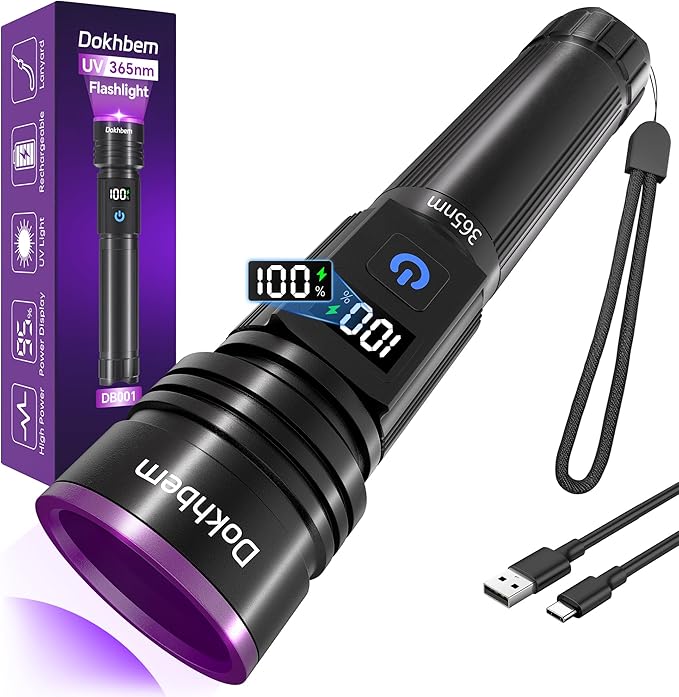
UV flashlight (365-385nm wavelength)

Recommended
$15-30

Ultraviolet flashlight that makes certain animal traces and secretions fluoresce under darkness

Get This Item

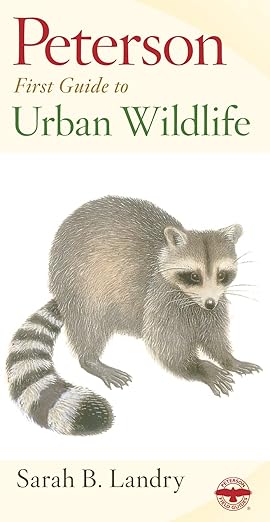
Field guide specific to your region's urban wildlife

Recommended
$18-25

Physical identification guide covering mammals, birds, reptiles, and amphibians common to urban environments in your geographic area

Get This Item

Wildlife tracking cards or pocket guide

Optional
$8-15

Waterproof cards showing actual-size tracks, scat, and sign for common urban animals

Get This Item

💙 Shopping through these links helps support IRL Sidequests at no extra cost to you. Thanks for making adventures possible!