Urban Wildlife & Ecology Integration Hub - Nature & Outdoors quest for Intermediate level adventurers

Urban Wildlife & Ecology Integration Hub

The coyote den is three blocks from your apartment—you just haven't looked for it yet.

Share:
4 supplies needed· Estimated total: $60+
View supplies

About This Quest

Transform vacant lots, parks, and green corridors into living ecology labs. Document wildlife patterns, map micro-habitats, and connect fragmented urban ecosystems.

Cities aren't ecological dead zones—they're experimental habitats where raccoons have figured out door handles, hawks nest on cell towers, and coyotes cross at designated crosswalks. I've spent two years mapping wildlife corridors in my city, and the patterns are striking: that 8-foot-wide alley behind the strip mall is a highway for possums, the storm drain network functions as a protected waterway, and the abandoned rail corridor has become a functional wildlife bridge connecting two parks. This quest turns you into an urban field ecologist. You'll identify micro-habitats (that chain-link fence corner accumulates seeds that feed sparrows all winter), document animal behavior (when do squirrels move between tree islands across pavement), and map the invisible infrastructure that allows wildlife to persist. The best sessions happen at dawn or dusk—I've watched red-tailed hawks hunt pigeons from parking garage ledges at 6:47 AM specifically, when the light angle creates visibility corridors. You're not just observing—you're building a database of how animals actually use city space. Track scat locations to understand territories. Photograph nest sites across seasons. Map water sources from leaky fire hydrants to retention ponds. The data reveals which human infrastructure accidentally supports wildlife and where simple interventions (leaving brush piles, creating water access) could strengthen ecological networks. One researcher found 37 species using a single highway underpass designed for drainage, not migration.

Duration
3-4 hours per session, ongoing project
Estimated Cost
$60+
Location
Outdoor
Season
Year-round
Family Friendly
All ages welcome

What You'll Need

Top gear to make this quest great.

Wildlife Tracking Field Guide (Regional)
Wildlife Tracking Field Guide (Regional)Popular

Enables accurate species identification from indirect evidence. That partial paw print in mud becomes definitive data. Regional specificity matters—track patterns and species behavior vary significantly between desert, forest, and coastal cities.

$18-25
Trail Camera with Night Vision

Captures animal activity 24/7 without your presence altering behavior. Documents nocturnal species (70% of urban mammals are night-active) and reveals patterns invisible to casual observation—the same fox crosses at 3:17 AM nightly.

$80-120
Compact Binoculars (8x32 or 10x42)

Lets you document behavior from appropriate distances. Critical for watching nest sites, foraging patterns, and inter-species interactions. The ability to read a bird's leg band from 50 feet turns casual sighting into research-quality data.

$60-150
View all 4 supplies

As an Amazon Associate I earn from qualifying purchases. Prices may change.

Step-by-Step Guide

1

Select your study zone: Choose a 4-6 block radius containing habitat variety (park edge, alley, water feature, vacant lot). Walk it at different times noting animal signs—tracks in mud, scat, feeding debris, scratch marks, nests.

2

Map physical infrastructure: Document every ecological feature on a base map—tree clusters, water access points, ground cover types, human structures animals use (sheds, dumpster enclosures, utility poles). I use satellite imagery marked up with colored pens for different habitat types.

3

Set up systematic observation: Pick 3-5 high-activity locations and visit them consistently (same time, same route). Bring binoculars and sit still for 20 minutes minimum. Animals appear after your presence becomes predictable—I now see deer at a creek underpass every Tuesday and Thursday at 7:15 AM.

4

Deploy trail cameras at pinch points: Place cameras at corridor bottlenecks (fence gaps, drainage culverts, hedge openings) where tracks suggest regular traffic. Secure them well—theft is real. Check SD cards weekly and catalog species, times, behaviors. I've documented raccoon family groups using the same fence breach for three generations.

5

Document seasonal changes: Revisit your zone monthly, noting which habitats see increased activity, where food sources shift, how animals adapt to temperature changes. The storm drain entrance that's empty in summer becomes winter refuge. Photograph the same locations across seasons for visual comparison.

6

Identify connectivity gaps: Look for where animals should move but don't—wide roads without crossing options, fenced corridors, habitat islands with no bridges. Sketch potential improvement sites: that 15-foot fence gap would connect two green spaces; a brush pile in that corner would provide cover across exposed pavement.

7

Share data with local ecology networks: Upload observations to iNaturalist, eBird, or city wildlife databases. Contact local environmental groups with corridor maps—your documentation might inform green infrastructure planning. I've seen my trail camera data used to justify preserving a vacant lot that serves as a bat foraging zone.

Gear Up for Your Quest

Get everything you need to make this quest amazing.

The Complete Hunting Handbook for Kids: The Ultimate Guide to Firearm Safety, Tracking, Outdoor Skills, Survival Basics & Responsible Wildlife Ethics for Young Beginners (Hunting Book)

Wildlife Tracking Field Guide (Regional)

EssentialPopular
$14.99
★★★★★4.9 (125)

Enables accurate species identification from indirect evidence. That partial paw print in mud becomes definitive data. Regional specificity matters—track patterns and species behavior vary significantly between desert, forest, and coastal cities.

Illustrated reference for identifying tracks, scat, feeding signs, and habitat preferences specific to your bioregion

Get on Amazon · $14.99

Topographic Mapping App with Offline Layers

Topographic Mapping App with Offline Layers

Essential
$0

Creates precise spatial records of sightings, tracks, and habitat features. Export data layers show corridors, territories, and seasonal ranges. Works in dead zones where urban wildlife often concentrates—power line corridors, industrial edges, flood channels.

Mobile app like Avenza Maps or Gaia GPS allowing custom map markup, GPS track recording, and waypoint tagging without cell service


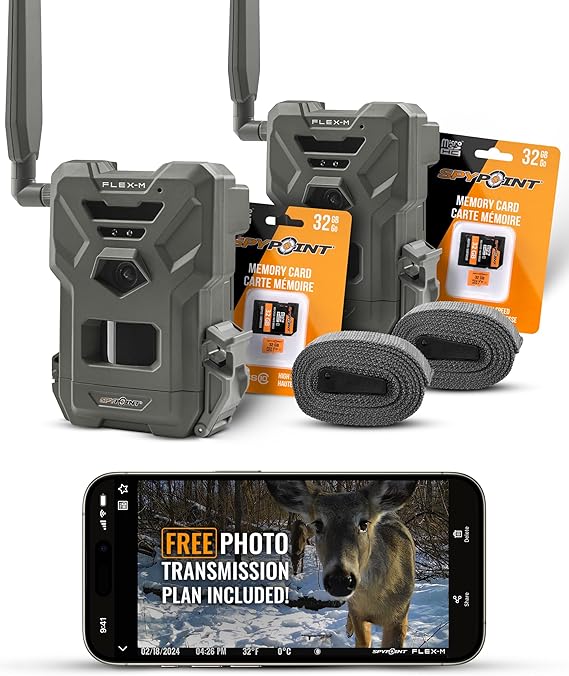
SPYPOINT Flex-M Twin Pack Cellular Trail Cameras - 2 SD Cards Included, Best Hunting Accessories, No WiFi Needed, GPS, Night Vision, IP65 Water-Resistant, 28MP Photos, & 720p Videos + Sound (2)

Trail Camera with Night Vision

Recommended
$159.99
★★★★4.0 (187)

Captures animal activity 24/7 without your presence altering behavior. Documents nocturnal species (70% of urban mammals are night-active) and reveals patterns invisible to casual observation—the same fox crosses at 3:17 AM nightly.

Weather-resistant wildlife camera with motion sensor, infrared night mode, and SD card storage for unattended monitoring

Get on Amazon · $159.99

10x42 Binoculars for Adults - Professional HD Roof BAK4 Prism Lens Binoculars for Bird Watching, Hunting, Travel, Sports, Cruise, with Carrying Bag (1.1Lbs)

Compact Binoculars (8x32 or 10x42)

Recommended
$39.98
★★★★★4.5 (1,551)

Lets you document behavior from appropriate distances. Critical for watching nest sites, foraging patterns, and inter-species interactions. The ability to read a bird's leg band from 50 feet turns casual sighting into research-quality data.

Lightweight optics with good low-light performance for observing animals without approaching close enough to alter behavior

Get on Amazon · $39.98

Xenvo Pro Lens Kit for iPhone and Android, Macro and Wide Angle Lens with LED Light and Travel Case Black

Macro Lens Clip for Phone Camera

Optional
$39.99
★★★★4.2 (21,345)

Captures evidence too small for standard photos but crucial for ecological understanding. That fuzzy caterpillar eating the leaf identifies which plants support butterfly populations. Close-ups of scat reveal diet—berry seeds mean fruiting plants nearby.

Attachable lens providing 15x-20x magnification for documenting small ecological details—insect damage, seed types, scat composition

Get on Amazon · $39.99

As an Amazon Associate, IRL Sidequests earns from qualifying purchases at no extra cost to you.

Prices and availability are subject to change. The price shown at checkout on Amazon at the time of purchase will apply.