IRL Sidequests
Urban Sustainability & Green Living Hub - Social & Community quest for Intermediate level adventurers

Urban Sustainability & Green Living Hub

Turn that vacant lot or community room into the spot where neighbors fix stuff instead of tossing it.

About This Quest

Transform an underused urban space into a thriving sustainability hub where neighbors learn composting, tool sharing, repair skills, and low-waste living through hands-on collaboration.

Most sustainability initiatives fail because they're preachy or inaccessible. A proper green living hub works because it saves people money and builds real skills. You're setting up a physical space where neighbors can borrow tools instead of buying them, drop off food scraps for composting instead of driving to a facility, and learn to repair clothes or electronics from someone who actually knows how. The best hubs I've seen operate out of community centers, apartment building common rooms, or even covered parking areas—anywhere with some weather protection and foot traffic. The magic happens when you focus on practical wins over ideology. Nobody cares about your carbon footprint lecture, but everyone wants to stop buying batteries or learn to sharpen their own knives. Start with 2-3 core offerings: a tool library lets people check out drills and saws they'd use twice a year, a composting drop-off handles organic waste for people without yards, and monthly repair cafes bring in skilled volunteers to fix everything from toasters to backpacks. You'll see the same faces week after week once they realize they're saving $50-100 monthly on stuff they would've bought or thrown away. The sustainability angle sells itself when people experience it firsthand. Someone who borrows a pressure washer learns they don't need to own one. Someone who watches their potato peels become soil starts questioning their trash habits. Someone who fixes their jacket zipper realizes planned obsolescence is a scam. You're not converting anyone to a lifestyle—you're just making green choices the convenient, money-saving option. Within three months, you'll have regulars organizing their own workshops and bringing in specialized knowledge, from bike repair to seed saving.

Duration
3-4 hours for initial setup, ongoing commitment
Estimated Cost
$60+
Location
Both
Season
Year-round
Family Friendly
All ages welcome

Step-by-Step Guide

1

Scout locations with your municipality or property managers—look for underused community spaces with tables, electrical outlets, and storage. Church basements, apartment community rooms, and library annexes often have free or cheap availability. Secure at least 4 hours weekly access to start.

2

Map your neighborhood's actual needs through quick surveys at existing community events or building lobbies. Ask what people wish they could borrow, what they throw away reluctantly, and what skills they'd pay to learn. Skip generic questions—get specific item names and problem scenarios.

3

Launch your tool library first since it generates immediate value. Start with 15-20 core items: cordless drill, circular saw, socket set, pipe wrench, step ladder, carpet cleaner, pressure washer, garden tools, folding hand truck. Accept donated tools but test everything—nothing kills credibility like lending broken equipment. Use a simple checkout system with a liability waiver and 3-day maximum borrows.

4

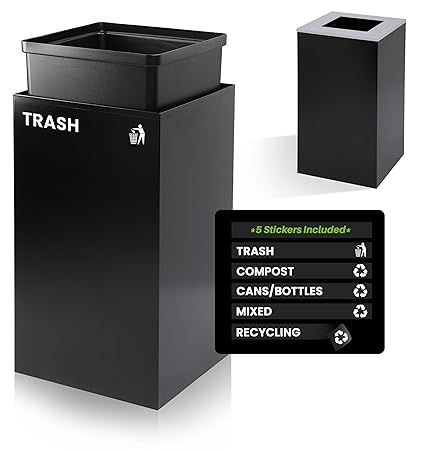
Set up a composting drop-off station with clear signage showing what's accepted (fruit/veggie scraps, coffee grounds, eggshells, plain paper) and what's not (meat, dairy, oils, coated paper). Use 32-gallon bins with locking lids that you empty weekly into a community pile or municipal collection. Place it in a shaded, ventilated area away from seating.

5

Schedule your first repair cafe by recruiting 2-3 skilled volunteers—post in neighborhood groups asking for people who fix electronics, sew, sharpen tools, or repair bikes. Set up stations with tables and power strips. Promote it as 'bring your broken stuff, leave with working stuff.' Have a donation jar to cover supplies like thread and solder.

6

Create a visibility strategy by posting before/after photos in local Facebook groups and installing a simple A-frame sign during operating hours. Partner with one local business (coffee shop, hardware store) to cross-promote. The key is showing tangible results: 'Saved neighbors $2,400 in tool purchases this quarter' hits harder than mission statements.

7

Build your volunteer rotation by identifying regulars with specific skills and giving them ownership of mini-programs. Let the bike person run a monthly tune-up clinic, the sewing person organize a mending circle, the gardener manage a seed swap. People stay involved when they're teaching, not just helping.

8

Expand based on what people actually use—track checkout frequency for tools, attendance for workshops, and drop-off volume for composting. If nobody's borrowing the tile saw but the sewing machine's always out, you know where to invest. Add new programs only when existing ones run smoothly.

9

Document and share your operational model openly so other neighborhoods can replicate it. Create a simple one-page guide with your startup costs, time commitments, and lessons learned. The faster sustainability hubs spread, the faster they normalize green living as the default option.

Gear Up for Your Quest

Get everything you need to make this quest amazing.

Heavy-Duty Tool Checkout System

Essential
$85

Durable tool tracking clipboard with waterproof checkout cards, ID scanner pocket, and laminated liability waiver templates designed for high-volume lending libraries

Get This Item

Commercial Compost Bin Set with Odor Filter

Essential
$120

Three 32-gallon locking bins with carbon filter lids and drainage systems, specifically rated for outdoor community use in variable weather

Get This Item

Repair Cafe Starter Kit

Recommended
$95

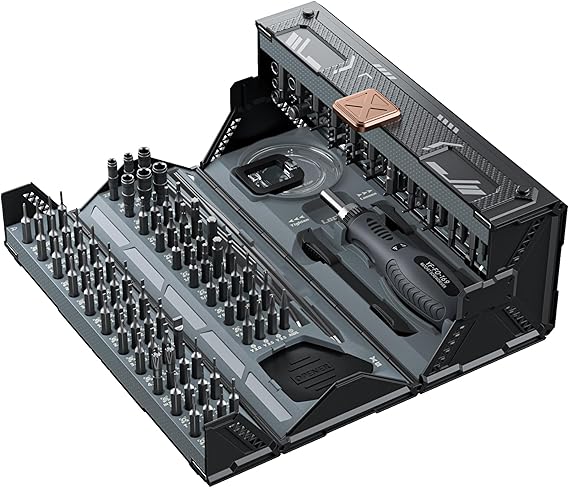
Curated kit with soldering station, precision screwdriver set, sewing machine needles/thread, multimeter, and basic electronics components for volunteer repair workshops

Get This Item

LibraryThing Tool Edition Software

Recommended
$0

Free adapted cataloging software that tracks tool inventory, checkout history, and maintenance schedules with barcode integration

Get This Item

💙 Shopping through these links helps support IRL Sidequests at no extra cost to you. Thanks for making adventures possible!