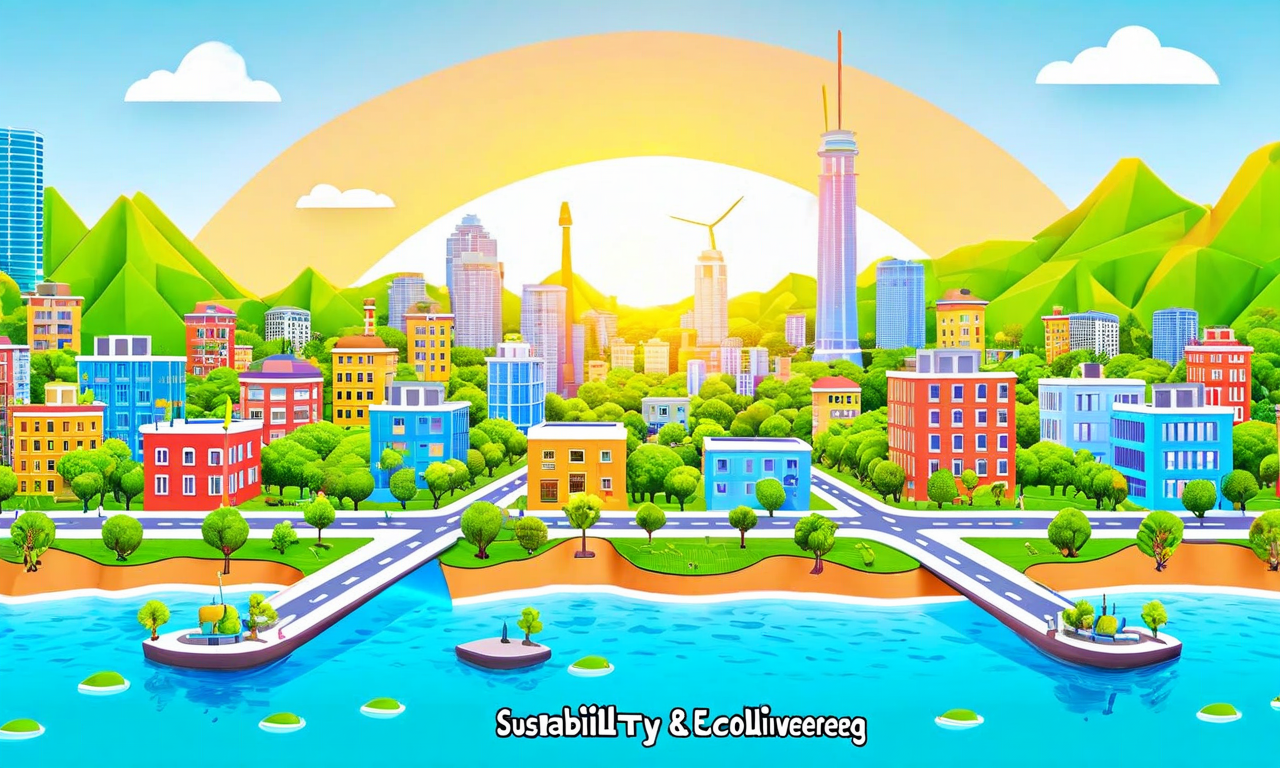
Urban Sustainability & Eco-Living Challenge
Your city's hiding micro-solutions to macro problems—time to find them.
About This Quest
Track your city's hidden eco-infrastructure, measure local heat islands, and connect with zero-waste businesses through hands-on urban sustainability exploration.
Most sustainability guides tell you to buy bamboo toothbrushes. This quest makes you look at your city like an ecosystem detective. You'll walk a two-mile radius from your home with actual measurement tools—an infrared thermometer to clock surface temperatures on asphalt versus green spaces, documenting the 15-20°F variance that creates urban heat islands. The strip mall parking lot at 2PM reads 142°F while the community garden three blocks over sits at 98°F. That data tells a story. You're building a field map of real infrastructure: the bodega that started accepting terracycle boxes, the bakery giving yesterday's bread to a food rescue app, the apartment complex with actual bike repair stations. Check storm drains for marking systems that show where runoff goes—many cities now use fish symbols to indicate drains flowing to waterways. You'll spot solar installations on row houses, measure the canopy coverage difference between your block and the one two streets over, and identify which businesses use compostable or reusable packaging versus those drowning in single-use plastic. This isn't about judging your neighbors' recycling bins. It's about understanding the systems—where does your city's actual sustainability infrastructure exist versus where it's just painted green? By the end, you'll have a personal map showing accessible composting sites, refill stations, repair cafes, little free libraries, community fridges, and the businesses actually walking the walk. The goal: identify three tangible actions you can integrate into your routine based on what you found, not what Instagram tells you to do.
Step-by-Step Guide
Define your exploration radius (1-2 miles from home). Download a mapping app that lets you drop custom pins—OsmAnd or Maps.me work offline if needed.
Start at a major intersection or commercial strip during mid-morning. Use your infrared thermometer to measure surface temps of asphalt, concrete, brick, and any green spaces. Note the differences—they're usually shocking.
Map every visible sustainability feature: solar panels, bike lanes, bike repair stations, bus shelters with living roofs, permeable pavement, rain gardens, community gardens. Drop a pin for each with a note about condition and accessibility.
Visit 8-10 local businesses. Check packaging systems—are takeout containers compostable, reusable, or styrofoam? Do they offer water refills? Accept container returns? Note any terracycle, battery, or e-waste collection points.
Locate waste infrastructure: public compost bins, clothing donation boxes that aren't scams (check for legitimate nonprofit names), community fridges, food pantries, tool libraries, repair cafes. Photograph and note their hours.
Document water systems: check storm drains for fish symbols or educational markings. Note any rain barrels, cisterns, or greywater systems visible from the street. Spot any urban farms using drip irrigation.
Count tree canopy coverage on your block versus commercial areas. Use the thermal readings to correlate—more trees equals measurably cooler surfaces, usually 10-20 degrees.
Find the "nodes"—places where multiple systems connect. Maybe a coffee shop with compost bins, bike parking, and refill stations. These are your anchor points.
Back home, compile your map into categories: food systems (gardens, composters, zero-waste shops), energy (solar, wind, efficient buildings), transport (bike infrastructure, EV charging), and waste/water. Identify the three biggest gaps in your immediate area.
Pick three concrete actions based on what you found. Not generic "use less plastic" but specific: "Drop compost at the church collection on Saturdays," or "Refill cleaning supplies at the bulk shop on 5th Street."
Gear Up for Your Quest
Get everything you need to make this quest amazing.
Infrared Thermometer Gun
EssentialNon-contact digital temperature reader with laser pointer, measuring surface temps from -50°F to 400°F
Get This ItemOffline Mapping App with Custom Pins (OsmAnd or Organic Maps)
EssentialOpen-source mapping apps that function without data connection and allow unlimited custom waypoints with notes and photos
Get This ItemReusable Container Set for Sample Collection
RecommendedStackable, leak-proof containers in various sizes (4oz to 16oz) made from stainless steel or glass
Get This ItemHandheld Light Meter or Lux Meter App
OptionalMeasures ambient light levels in foot-candles or lux to assess natural lighting efficiency
Get This Item💙 Shopping through these links helps support IRL Sidequests at no extra cost to you. Thanks for making adventures possible!
Editor's Picks
Hand-selected quests our team thinks you'll love

Tabletop Firepit Night
Cozy, gooey, unforgettable nights.

Cocktail Science Lab
Turn your kitchen into a mad scientist’s bar.
Pellet Gun Accuracy Challenge
Sharpshooter bragging rights start here.