
Urban Skills Marketplace & Learning Hub
Your neighbor knows welding. You know Photoshop. Time to trade.
About This Quest
Map out neighborhood skill-sharing networks where people trade expertise—from welding to web design—in informal learning spaces.
Every city block holds dormant expertise. The barista who codes Python. The accountant who restores furniture. The retired teacher who speaks four languages. Urban skills marketplaces connect these knowledge holders in rotating learning hubs—community centers, maker spaces, library meeting rooms, coffee shop back rooms—where teaching happens peer-to-peer, often through trades rather than cash. These aren't formal classes with curricula and certificates. You show up, state what you know and what you want to learn, and the group self-organizes. Someone teaches basic soldering while learning social media strategy in exchange. Another person offers pasta-making lessons for help with their resume. The transactions feel more human than Craigslist, more immediate than online courses, more accessible than traditional schools. The infrastructure already exists in most neighborhoods—unused meeting spaces, tool libraries, community workshops. What's missing is the connective tissue: the simple systems that match learners to teachers, coordinate spaces and times, build trust between strangers. You'll learn to identify existing networks, plug into active hubs, or seed new ones in your area using proven low-tech coordination methods that have worked in cities from Detroit to Barcelona.
Why This Quest Matters
You'll stop seeing strangers and start seeing your neighborhood as a library of living knowledge. The retired teacher down the block teaches you conversational Italian while learning your photo editing skills; the barista shows you Python basics in exchange for furniture refinishing tips. You're building a local economy where expertise flows freely and everyone gets smarter together.
What You'll Experience
- How to identify and access unused community spaces for skill-sharing
- Simple coordination methods that match learners to teachers without complex technology
- The social dynamics that make peer-to-peer knowledge exchange work
- How to structure welcoming rituals that build trust between strangers
- The practical skills you'll trade for from your neighbors—whatever you need most
What You'll Need
Top gear to make this quest great.
Pull it off
Large Format Name Tag Supplies Kit
Standard name tags are too small for skill broadcasting across a room. These jumbo tags let people write both offered and wanted skills in letters readable from 15 feet away, enabling passive skill matching without forced mingling. The visual system reduces social anxiety for introverts while creating natural conversation starters.
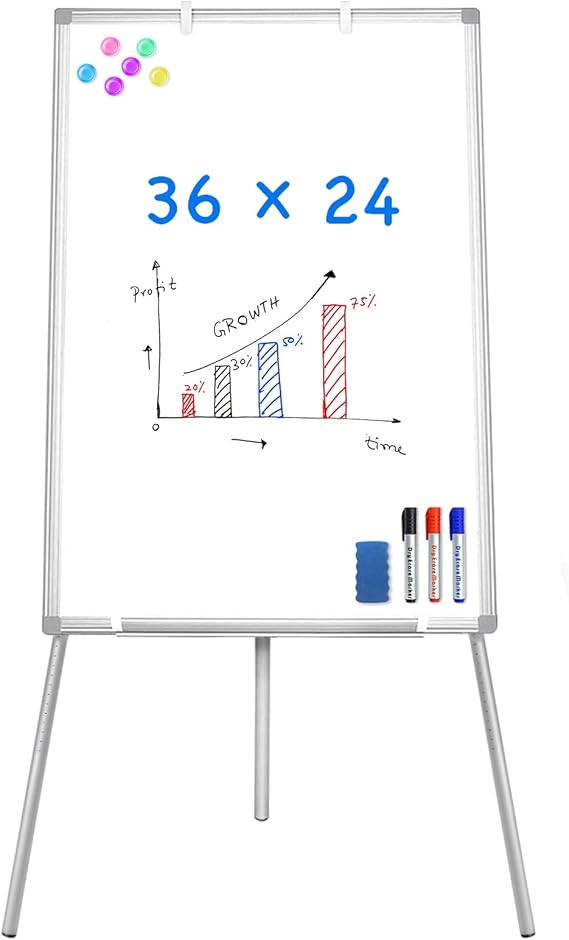
Digital displays kill the informal vibe. A physical whiteboard lets you track real-time skill matches, celebrate milestones visibly, and create shared artifacts that build group identity. People photograph completed boards and share them, providing organic promotion. The tactile act of writing creates ceremony around successful exchanges.
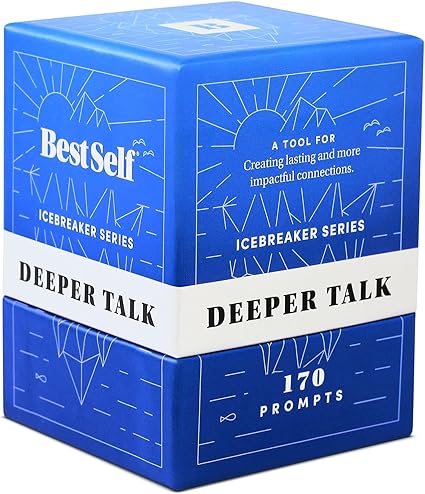
When energy lags or newcomers seem hesitant, conversation cards jumpstart authentic exchanges without forced icebreakers. Unlike generic team-building prompts, these are designed specifically for skill discovery, revealing hidden expertise and creating unexpected teaching opportunities. Breaks awkward silences productively.
As an Amazon Associate I earn from qualifying purchases. Prices may change.
Step-by-Step Guide
Map your neighborhood's learning infrastructure
Scout community centers, libraries, maker spaces, and tool libraries for existing skill-sharing activity. Check bulletin boards for hand-written workshop notices, ask staff about informal learning exchanges, and search local Facebook groups and Nextdoor for 'skill share' or 'knowledge exchange' events. Document empty meeting rooms—churches on weekday evenings, coffee shop back rooms during slow hours, library conference rooms available free with booking.
💡 Pro Tips:
- • Create a simple spreadsheet tracking location names, available hours, and access requirements
- • Attend three different existing events before deciding to start your own—understanding the social dynamics matters more than rushing to organize
List your tradeable skills as specific outcomes
Write what you can actually teach someone in one or two sessions: 'Can show you how to hem pants' beats vague claims like 'good at sewing.' Include non-job skills—home repair knowledge, cooking specialties, languages, craft techniques, software proficiency, gardening experience. Be honest about your skill level; this is peer-to-peer exchange, not professional instruction.
💡 Pro Tips:
- • Think about what someone could walk away doing after 20-60 minutes with you, not aspirational expert-level abilities
Launch your hub with minimal structure
Pick one consistent time and place (second Tuesday evenings, Saturday mornings). Post to three neighborhood channels minimum using plain language: 'Monthly skill swap at [Place]. Teach something. Learn something. Free.' Create a shared Google Sheet where people list skills offered, skills wanted, and contact info—print copies to bring to every session. Start with 15 minutes of introductions where everyone announces one skill they have and one they want, writing both on name tags with thick markers visible across the room.
💡 Pro Tips:
- • Resist complex apps and registration systems—barriers kill attendance before you've built momentum
- • Your first session might be just three people; that's enough to demonstrate the concept works
Let organic pairing happen
After introductions, step back and let the group self-organize. Some people will pair off for immediate 20-minute tutorials. Others will schedule follow-up meetings outside the hub. Small groups form around shared interests. Your job is creating the conditions—available space, visible skill tags, a welcoming atmosphere—not controlling who learns what from whom.
💡 Pro Tips:
- • Keep money out of it by clarifying this is a trading economy; if someone insists on paying, suggest they donate to the hosting space or bring snacks
Build trust through simple rituals
Use the same welcome phrase to start every session. End with a quick go-around where people share what they learned or taught. Keep a running tally on a whiteboard showing total skills exchanged at this location, and celebrate milestones like the 50th trade with group photos. Collect brief testimonials and share them monthly on community channels to show the hub is active and working.
💡 Pro Tips:
- • Take photos of people teaching (with permission) to make the abstract concept concrete for potential newcomers
Help someone replicate your hub elsewhere
Once your hub reaches sustainable attendance, share your simple playbook with someone interested in starting another one in a different neighborhood. Give them your coordination sheet template, explain your timing and structure choices, and connect them with your most engaged participants who can cross-pollinate the new hub. The goal is network growth, not consolidation.
💡 Pro Tips:
- • Document what worked and what failed in your first six sessions while it's fresh—this saves the next organizer months of trial and error
Gear Up for Your Quest
The gear that makes this quest work.
Pull it off

Large Format Name Tag Supplies Kit
Standard name tags are too small for skill broadcasting across a room. These jumbo tags let people write both offered and wanted skills in letters readable from 15 feet away, enabling passive skill matching without forced mingling. The visual system reduces social anxiety for introverts while creating natural conversation starters.
+ complete the kit — 3 more

Digital displays kill the informal vibe. A physical whiteboard lets you track real-time skill matches, celebrate milestones visibly, and create shared artifacts that build group identity. People photograph completed boards and share them, providing organic promotion. The tactile act of writing creates ceremony around successful exchanges.
Lightweight dry-erase board with folding easel stand and magnetic backing, includes marker tray
Get on Amazon · $52.99 — Portable Whiteboard (24x36 inch)details & deals →
Skill Share Conversation Cards Deck
RecommendedWhen energy lags or newcomers seem hesitant, conversation cards jumpstart authentic exchanges without forced icebreakers. Unlike generic team-building prompts, these are designed specifically for skill discovery, revealing hidden expertise and creating unexpected teaching opportunities. Breaks awkward silences productively.
Custom card deck with prompts like 'A skill I learned from a family member,' 'Something I want to learn before I'm 60,' or 'A tool I wish I knew how to use'
Get on Amazon · $28.99 — Skill Share Conversation Cards Deckdetails & deals →
Portable Document Camera Setup
OptionalFor skills requiring detailed demonstration—watch repair, illustration techniques, circuit board soldering—a document camera lets one teacher show 8-10 people simultaneously without everyone crowding around. The mounted setup keeps hands free for actual teaching while the ring light ensures visibility. Transforms small workshops into effective mini-classes.
Overhead smartphone mount with adjustable arm and ring light, compatible with screen sharing apps
Get on Amazon · $89.99 — Portable Document Camera Setupdetails & deals →RELATED GEAR GUIDE
Guerrilla Gardening Gear: 6 Picks to Green Your Block
Field-tested picks · Social & Community
As an Amazon Associate, IRL Sidequests earns from qualifying purchases at no extra cost to you.
Prices and availability are subject to change. The price shown at checkout on Amazon at the time of purchase will apply.
Editor's Picks
Hand-selected quests our team thinks you'll love

Guerrilla Gardening: Plant Beauty Where It's Not Expected
That cracked sidewalk planter doesn't need to stay dead—fill it with wildflowers at 2AM and watch neighbors smile for months.

Backyard Conversation Workshop
Your backyard becomes the training ground where awkward silences turn into confident conversations.

Community Kitchen & Culinary Connection Hub
The best recipes get passed hand-to-hand, not screen-to-screen.