Cities are training grounds disguised as concrete jungles—learn survival skills hiding in plain sight.
Master practical nature skills without leaving the city—foraging edible plants, identifying urban wildlife, and learning survival techniques in parks and green spaces.
Your city park has more teachable moments than most wilderness trips. I've spent three years running these sessions in Chicago, and the look on someone's face when they realize that "weed" is actually chickweed (totally edible, tastes like corn silk) never gets old. You'll start recognizing patterns—which trees drop nuts in September, where birds congregate at dawn, how to read weather by watching squirrel behavior. This isn't LARPing or wilderness cosplay. These are the same observation skills that work on the Appalachian Trail, just practiced on your lunch break. I've had participants spot hawk nests in subway station rafters, identify six edible plants within 50 feet of a Starbucks, and learn fire-starting techniques in community garden plots. The density of learning opportunities is actually higher in cities—more microclimates, more species adapting to human presence, more contrast between built and natural environments. You'll develop a curriculum across four core skills: plant identification and safe foraging, urban wildlife tracking and behavior, basic survival techniques adapted for city environments, and nature-based navigation without GPS. Each session builds on the last, but you can start anywhere. I've watched accountants become confident foragers and teenagers master bird calls well enough to attract curious cardinals. The city stops being just a place you move through—it becomes readable, full of clues and calories and beauty you walked past for years.
Choose your training ground: Find a park or green space with at least 2 acres and varied terrain (trees, open grass, water features if possible). Scout it once during daylight to identify safe areas and note high-traffic zones—you want space to practice without crowding joggers. City botanical gardens work great if they allow off-trail exploration.
Start with plant ID basics: Download a reliable plant identification app (see supplies) and spend your first session on three common, unmistakable edible plants in your region. In most US cities: dandelion (entire plant edible), clover (flowers and leaves), and plantain (not the banana—the leafy weed with parallel veins). Photograph them, taste tiny amounts, note where they grow densest. The 15-minute rule applies: if you can't confidently ID it in 15 minutes with multiple sources, don't eat it.
Practice wildlife observation: Dedicate 30 minutes to sitting completely still in one spot (bring a sit pad). Watch for animal patterns—squirrels cache food in consistent spots, birds have territorial boundaries, insects follow sun patterns. Use binoculars to watch without disturbing. I've mapped entire hawk hunting routes just by staying put in Chicago's Lincoln Park three mornings in a row. Take notes on behaviors, times, and locations.
Learn three-season fire-starting: Practice the friction fire technique with materials you find (dry bark, dead grass, small branches). You're not trying to burn down the park—just create enough friction to produce smoke and char. Urban environments are actually ideal for this because manicured areas provide predictably dry tinder. Practice in a metal container or designated fire pit if your park has one. Master the motion before attempting actual ignition.
Practice urban navigation: Pick a destination within the park you can't see from your starting point. Navigate using only natural cues—sun position, tree moss patterns (north-facing in northern hemisphere), wind direction, slope drainage. Leave your phone in your pocket. Get lost on purpose in a safe space, then find your way back using observation. Time yourself improving over multiple sessions.
Build your field journal: After each session, document three new things you learned with sketches or photos. What plants were flowering? Which birds were vocal? What weather patterns did you notice? This becomes your personalized nature encyclopedia. I still reference my early journals from 2022 when teaching others—your observations are data.
Graduate to advanced foraging: Once you've mastered five edible plants, learn five toxic look-alikes. This is crucial. Know what NOT to eat as intimately as what's safe. Wild carrot looks like poison hemlock to beginners. Garlic mustard (invasive, edible) shares habitats with similar-looking toxic plants. The difference keeps you alive.
Create a skills practice loop: Return to the same location weekly across different seasons. You'll witness the full cycle—when serviceberries fruit in June, when mushrooms emerge after September rains, when birds migrate through in spring. This repetition builds pattern recognition that no book can teach. The city becomes a living textbook you're reading chapter by chapter.
Get everything you need to make this quest amazing.
Pocket-sized magnifying lens specifically for examining leaf structures, stem textures, and seed patterns up close
Get This ItemAI-powered nature identification app that uses your phone camera to identify plants, animals, and fungi with community verification
Get This ItemSmall weatherproof shoulder bag designed for specimen collection with mesh pockets, sample containers, and tool loops
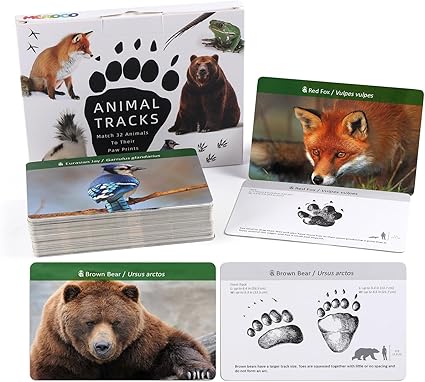
Get This ItemWaterproof pocket cards showing actual-size animal tracks, scat identification, and behavioral signs for your specific geographic region
Get This ItemWeatherproof magnesium fire starter that creates 3000°F sparks regardless of conditions—works when wet
Get This Item💙 Shopping through these links helps support IRL Sidequests at no extra cost to you. Thanks for making adventures possible!
Hand-selected quests our team thinks you'll love

Cozy, gooey, unforgettable nights.

Turn your kitchen into a mad scientist’s bar.

Sharpshooter bragging rights start here.