Cities hold 20% of Earth's threatened species—your block might be their last stand.
Hands-on urban conservation work—from citizen science data collection to habitat restoration projects that actually move the needle in cities.
Urban ecosystems aren't just decoration—they're survival corridors for migrating birds, pollinators under pressure, and species adapting to climate shifts. The green spaces you pass daily need active stewardship: invasive plants choke out native species, nesting sites disappear behind renovations, and nobody's tracking which pollinators still show up. This quest puts you in the field doing actual conservation work that scientists and urban planners rely on. You'll learn identification skills for both native species worth protecting and invasive threats worth removing. The work ranges from pulling garlic mustard before it sets seed to documenting hawk nests for migration databases. Cities like Portland and Philadelphia have shown that coordinated volunteer efforts can restore functioning ecosystems in fragmented urban patches—but it requires people who know what they're looking at and understand why timing matters. This isn't weekend gardening. You're collecting data that feeds into biodiversity monitoring networks, removing invasives before they spread, and creating habitat structure that native species actually use. The skills transfer: once you can identify native plants under stress or spot concerning changes in local bird populations, you become infrastructure for your city's ecological health. Winter work focuses on woody invasive removal and nest box maintenance. Spring through fall brings seed collection, pollinator surveys, and coordination with local land trusts on targeted restoration projects.
Top gear to make this quest great.

Standard work gloves won't cut it when you're wrestling shrubs covered in thorns—these prevent punctures and give you grip on wet stems during removal work

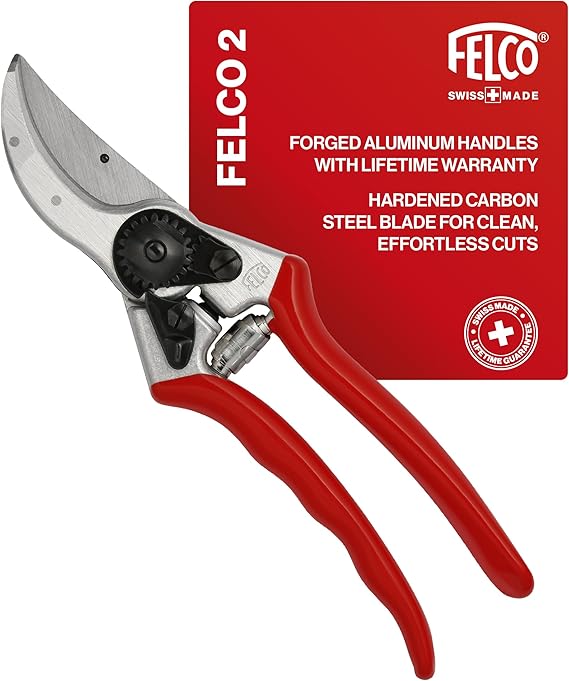
Clean cuts heal faster on remaining native plants and make invasive removal more efficient—cheap pruners crush stems and fatigue your hand after 20 minutes

Digital apps fail in areas with poor cell coverage, and knowing what NOT to pull is as critical as knowing invasives—prevents accidental removal of rare native species
As an Amazon Associate I earn from qualifying purchases. Prices may change.
Connect with your municipal parks department, local Audubon chapter, or land conservancy to identify active conservation projects. Ask specifically about citizen science needs, invasive species management zones, and habitat restoration sites accepting trained volunteers.
Complete any required volunteer orientation and get on the project communication channels (usually email lists or Slack groups). Download iNaturalist and eBird apps if you'll be doing species documentation—familiarize yourself with their data quality standards before your first field session.
Learn to identify the top 5 invasive species in your region plus 10-15 keystone native plants. Use local field guides or attend the identification workshops most conservation groups run. Being able to distinguish garlic mustard from native toothwort, or autumn olive from native dogwood, prevents you from removing the wrong things.
Show up to scheduled work sessions with appropriate gear for the task (gloves for invasive removal, hand pruners for woody species, collection bags for seed harvesting). Listen to the site lead about priorities—sometimes you're clearing a specific area for native plantings, other times you're doing wildlife surveys before management decisions get made.
Document your work through photos and species observations, uploading to the project's designated platform. Conservation efforts need before/after documentation, and your observation data helps track biodiversity trends over time. Note the date, exact location coordinates, and any unusual findings.
For invasive species removal, learn proper disposal methods—some species resprout from fragments, others set seed even after cutting. Bag and trash invasive plant material rather than composting. For species with extensive root systems like Japanese knotweed, follow the multi-year management protocol the project uses.
Participate in seasonal monitoring events: spring bird counts, summer pollinator surveys, fall seed collection for propagation. These generate the longitudinal data scientists need to assess whether conservation interventions actually work. Your repeat observations become statistically meaningful.
Consider getting certified in specialized skills that urban conservation needs: chainsaw safety for larger woody invasive removal, wetland delineation basics, or cavity nest monitoring protocols. These open up more impactful volunteer roles and leadership opportunities in habitat restoration projects.
Get everything you need to make this quest amazing.

Standard work gloves won't cut it when you're wrestling shrubs covered in thorns—these prevent punctures and give you grip on wet stems during removal work
Heavy-duty gloves with reinforced palms and knuckle protection, designed for handling thorny invasives like multiflora rose and buckthorn
Get on Amazon · $18.99
Clean cuts heal faster on remaining native plants and make invasive removal more efficient—cheap pruners crush stems and fatigue your hand after 20 minutes
Professional-grade bypass pruners with replaceable blades, designed for clean cuts on woody stems up to 1 inch diameter
Get on Amazon · $71.52
Digital apps fail in areas with poor cell coverage, and knowing what NOT to pull is as critical as knowing invasives—prevents accidental removal of rare native species
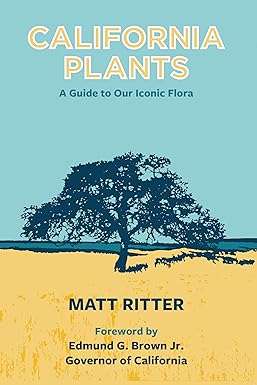
Waterproof regional plant identification guide covering native species, invasives, and look-alikes specific to your ecoregion
Get on Amazon · $17.09Real-time bird identification during conservation work helps you document which species use the habitats you're restoring—the sound ID catches birds you never see
Free bird identification app using sound recognition and photo ID, with built-in recording capability for citizen science submissions

Hand pruners max out around 1 inch—this handles the larger invasive shrubs and saplings without lugging a full-size saw between sites
Compact folding saw with aggressive tooth pattern for cutting woody invasive stems 1-4 inches in diameter
Get on Amazon · $10.49As an Amazon Associate, IRL Sidequests earns from qualifying purchases at no extra cost to you.
Prices and availability are subject to change. The price shown at checkout on Amazon at the time of purchase will apply.
Hand-selected quests our team thinks you'll love

Your neighborhood has more species than you think—time to prove it.

Your city's wilder than you think—you just need to know where to look.

That flash of red in the oak tree isn't just background noise anymore.