Your city block has more wild neighbors than you think—this system helps you find them, understand them, and see your concrete jungle differently.
Build a repeatable system for spotting, documenting, and understanding urban wildlife patterns in your neighborhood using sensory mapping and citizen science protocols.
Most people walk past the same street corner 500 times without noticing the Cooper's hawk that perches on the fire escape every Tuesday at 6:47 AM, or the bee species drilling into the mortar, or why pigeons cluster near that one steam grate. This quest gives you the field protocol urban ecologists use to map wildlife patterns, but simplified for daily practice. You're not just "appreciating nature"—you're building a data collection habit that changes how your brain processes your environment. The system works in three phases: sensory baseline (learning what's actually there), pattern documentation (tracking when and where), and behavioral observation (understanding why). You'll pick a 3-block radius around somewhere you already go—your apartment, office, gym—and visit it at different times over 30 days. By week two, you'll start noticing the regulars: the mockingbird defending his telephone wire, the rat highways along building foundations, the specific trees where starlings roost. By week four, you'll predict animal behavior based on weather, time, and human activity patterns. This isn't about becoming a naturalist or learning Latin names (though you can). It's about rewiring your attention so you see living systems instead of background scenery. The city stops feeling like dead space between buildings. You'll notice when the house sparrows disappear (construction scared them off), when new species arrive (that's a black-crowned night heron, and yes, they live here now), and how wildlife adapts to human schedules (squirrels time their foraging to when the coffee shop opens). You're building the same observational skills that field biologists use, just applied to the ecosystem you actually inhabit.
Define your study zone: Pick a 3-block radius you can walk in 10 minutes from somewhere you go regularly. It needs three habitat types—green space (park, tree pit, vacant lot), vertical space (buildings, walls, roofs), and edge space (where structures meet ground). Mark boundaries on your phone map.
Establish baseline sensory inventory: Walk your zone once during mid-morning. Stop every 50 feet and spend 60 seconds noting what you hear (birds, insects, rustling), see (movement in periphery, animal signs like droppings or feathers), and smell (garbage attractants, flowering plants). Voice-record observations or use your tracking journal. Don't identify species yet—just catalog presence.
Create your tracking protocol: Choose 3 observation windows you can hit weekly—typically early morning (6-8 AM), midday (12-2 PM), and evening (5-7 PM). Wildlife activity follows rhythms. You need data from different times to see patterns. Set phone reminders. Commit to 3 visits per week minimum.
Learn the regulars: Use Merlin Bird ID for sound identification—play recordings of birds you hear, the app tells you what's there. For mammals, insects, and plants, use iNaturalist's camera ID. Focus on the 5-7 species you see most often. Learn their names, but more importantly, learn what they're doing: feeding, defending territory, mating, migrating through.
Map micro-habitats: Identify the specific spots where you see wildlife repeatedly. Mark them: the dumpster where rats emerge at dusk, the building corner where chimney swifts roost, the tree with woodpecker holes, the wall crack where bees nest. These are resource points. Animals return to them. Add pins to your phone map with species tags.
Document behavioral patterns: Start recording timing and triggers. The hawk appears when school lets out (following pigeons following kids with snacks). Squirrels hit certain trees in sequence (territorial routes). Sparrows flock to the bodega loading zone on delivery days (spilled grain). Write these down as if-then statements: 'If delivery truck at bodega, then sparrow flock within 5 minutes.'
Track environmental variables: Note weather (temperature, wind, precipitation), human activity level (rush hour, weekend, construction), and food availability (trash day, farmers market setup, flowering plants). Wildlife behavior changes based on these inputs. You're looking for correlations.
Run comparison sessions: After 2 weeks, deliberately visit during different conditions—rainy morning, hot afternoon, holiday when streets are empty. How does wildlife presence change? You'll notice some species are weather-dependent, others are human-dependent, some don't care.
Build species profiles: For your 5 most common animals, create a simple profile—where they appear (specific locations), when they appear (time and conditions), what they do there (feeding, resting, socializing), and how they react to humans. This is the foundation of understanding urban ecology.
Connect to broader patterns: After 30 days, you'll have enough data to see seasonal shifts (migration, breeding), population changes (more of X, less of Y), and ecosystem relationships (the crows harassing the hawk, the bees visiting specific flowers). Use iNaturalist to upload observations and see what others report in your area. You're part of a citizen science network now.
Refine your observation skills: The hand lens reveals details invisible to naked eye—insect anatomy, plant structures, feather barring. Use it to identify birds by dropped feathers, understand what insects are eating, see why certain plants attract pollinators. It transforms casual looking into actual observation.
Expand your range: Once your core zone feels mapped, add a new 3-block zone elsewhere in your city. Compare: different neighborhoods have different wildlife assemblages based on income (wealthier areas have more trees, different bird communities), building age (older buildings have more nesting cavities), and land use. You're seeing how urban planning shapes urban ecosystems.
Get everything you need to make this quest amazing.
Sound and photo identification app with real-time audio recognition and regional species lists
Get This ItemCitizen science platform with AI-powered species identification for all taxa and community verification system
Get This ItemProfessional-grade folding magnifier used by field biologists, jewelers-loupe style with glass optics
Get This ItemWater-resistant notebook with gridded or dot pages designed for outdoor data collection
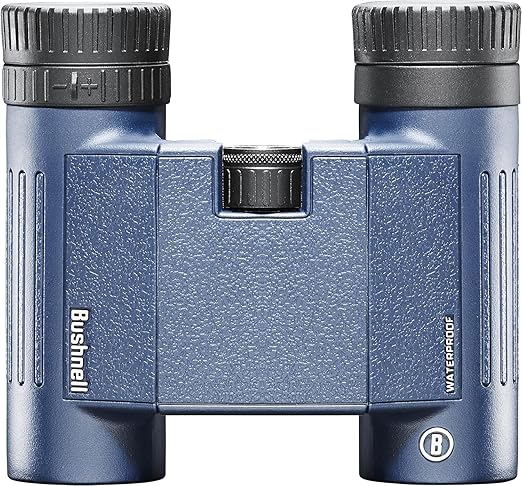
Get This ItemLightweight, pocketable binoculars with 8x magnification and close-focus capability under 6 feet
Get This Item💙 Shopping through these links helps support IRL Sidequests at no extra cost to you. Thanks for making adventures possible!
Hand-selected quests our team thinks you'll love

Cozy, gooey, unforgettable nights.

Turn your kitchen into a mad scientist’s bar.

Sharpshooter bragging rights start here.