Your city is a living field guide—learn to read it.
Learn to identify birds, insects, trees, and urban wildlife in your neighborhood. Train your naturalist eye with field guides and citizen science apps.
Most people walk past hundreds of species every day without noticing. A pigeon isn't just a pigeon—there are rock doves, mourning doves, and Eurasian collared-doves all living different lives in different niches. That maple tree dropping helicopters? Could be a Norway maple (invasive) or a sugar maple (native), and knowing the difference changes how you see your block. This quest trains you to see your neighborhood like a naturalist. You'll learn identification techniques professionals use: looking at leaf arrangements, counting bird field marks, listening to insect calls, reading animal tracks in mud. Start in your own yard or a nearby park. Early mornings (6-9 AM) are prime time—birds are vocal, pollinators are active, and you'll have places to yourself. Bring binoculars if you have them, but your eyes and ears are enough to start. The goal isn't to become an expert overnight. It's to build the habit of noticing. After a month of regular observation, you'll start recognizing individuals—that red-tailed hawk that hunts from the grocery store sign, the paper wasp nest growing under your mailbox, the volunteer oak sapling pushing through the sidewalk crack. You'll have favorite spots and know what blooms when. That's when cities stop feeling like concrete deserts and start feeling alive.
Choose your study zone—a park, greenway, or even your block. Walk it at different times to see what's active when.
Start with one taxonomic group: birds, trees, insects, or wildflowers. Download iNaturalist and a field guide app specific to your region.
Practice the 'stop and listen' technique: pause every 50 feet, close your eyes for 30 seconds, and catalog every sound. Then look up and identify sources.
Learn key identification features for your chosen group. For birds: size relative to a robin or crow, beak shape, field marks (eye stripes, wing bars). For trees: leaf arrangement (opposite or alternate), bark texture, growth form.
Take photos of anything you can't identify on the spot. Use iNaturalist's AI suggestion, then confirm with multiple field guides. Read the 'similar species' sections—that's where real learning happens.
Log observations in a field journal with date, time, location, weather, and behavior notes. 'Saw a crow' is weak data. 'American crow caching food in tree hollow, 7:15 AM, overcast, 52°F' tells a story.
Join local citizen science projects: eBird for birds, Bumble Bee Watch for pollinators, What's Invasive for invasive species mapping. Your observations contribute to real research databases.
Challenge yourself with seasonal changes. Track when specific flowers bloom, when migrating birds arrive, when trees leaf out. Phenology is your naturalist calendar.
Connect with local naturalist groups through library programs, Audubon chapters, or native plant societies. Field walks with experienced folks compress years of learning into afternoons.
Get everything you need to make this quest amazing.
Free bird identification app with sound ID, photo ID, and step-by-step ID tools
Get This ItemMid-range birding binoculars with good close-focus distance for urban wildlife viewing
Get This ItemPhysical regional guides like Sibley, Peterson, or state-specific flora guides
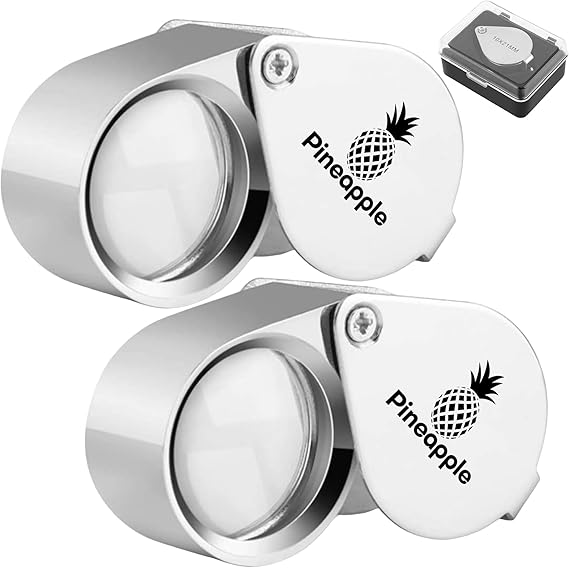
Get This ItemJeweler's loupe or folding hand lens for examining plant structures and insects
Get This ItemAll-weather notebook with grid or lined pages for field sketches and observations
Get This Item💙 Shopping through these links helps support IRL Sidequests at no extra cost to you. Thanks for making adventures possible!
Hand-selected quests our team thinks you'll love

Cozy, gooey, unforgettable nights.

Turn your kitchen into a mad scientist’s bar.

Sharpshooter bragging rights start here.