Urban Homesteading & Self-Sufficiency
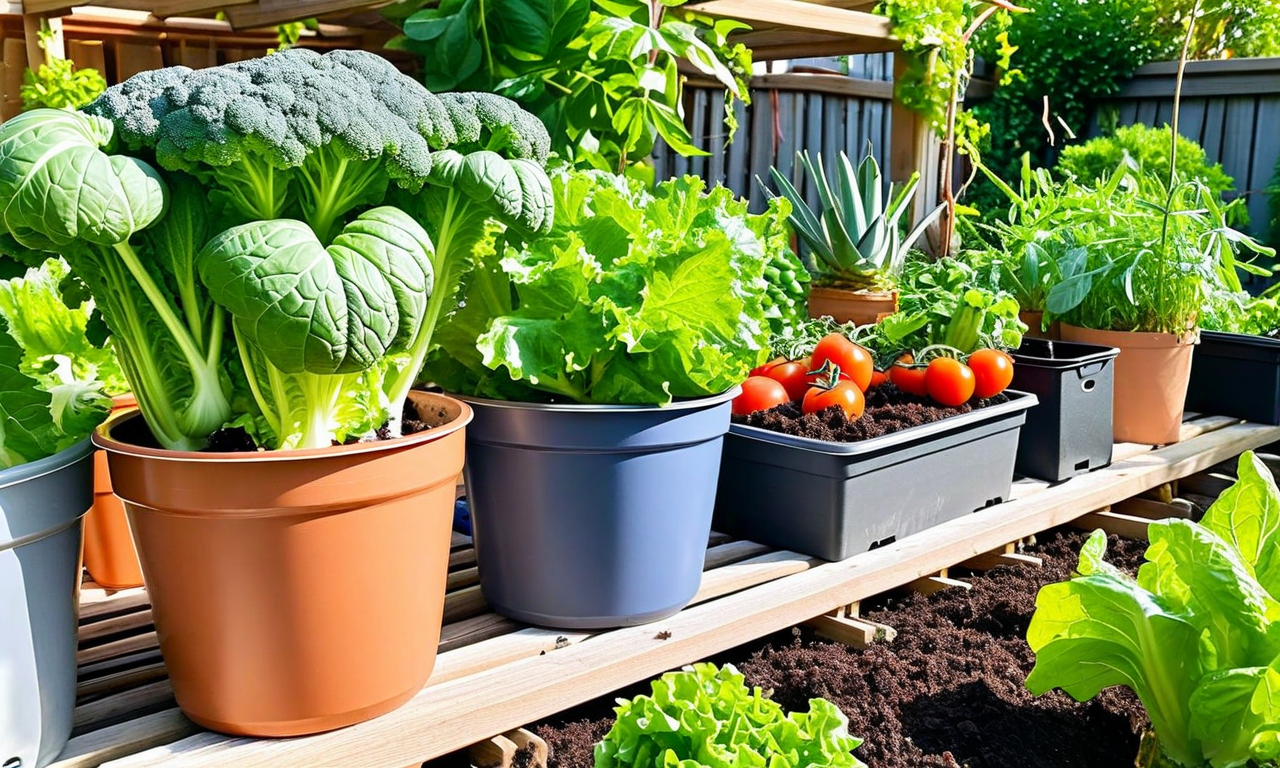
Your balcony can produce more food than you think—I've pulled 40 pounds of tomatoes from three 5-gallon buckets.
About This Quest
Transform your apartment or small yard into a productive homestead. Learn container gardening, composting, food preservation, and skills that cut your grocery bill while building resilience.
Urban homesteading isn't about having acres—it's about reclaiming skills your great-grandparents knew. I started on a 4x8 apartment balcony in Brooklyn, convinced I'd kill everything. Three years later, I'm making my own yogurt, growing 60% of my summer produce, and haven't bought store lettuce since March. The learning curve is real but shorter than you'd think. This quest walks you through the foundation skills: setting up productive container gardens that actually yield food (not just looking pretty), building a functional compost system that doesn't smell or attract pests even in 80-degree heat, and mastering one preservation method so your August tomato explosion doesn't rot on the counter. You'll make mistakes—I've drowned basil, attracted fruit flies, and burned jam—but each failure teaches you something that makes you less dependent on fragile supply chains. The payoff hits different than you'd expect. Sure, the money saved adds up (my setup paid for itself in eight months), but the real shift is psychological. When your breakfast includes eggs from a neighbor's backyard coop, greens you grew from seed, and bread you cultured from wild yeast, you stop feeling like a passive consumer. You're not LARPing Little House on the Prairie—you're building practical resilience that matters when supply chains hiccup or grocery prices spike. Start small, focus on one system at a time, and watch how much control you actually have over your daily needs.
Step-by-Step Guide
Audit your space for 4+ hours of daily sun. South-facing windows, balconies, fire escapes, or even a sunny kitchen counter work. Track sunlight for two days with your phone—mark where light hits at 10AM, 1PM, and 4PM. No direct sun? Focus on mushroom cultivation and sprouts instead.
Start your container garden with three crops: cherry tomatoes (Sungold or Sweet Million varieties handle containers well), salad greens (cut-and-come-again varieties like Red Sails lettuce), and herbs (basil if you cook Italian, cilantro for Mexican, mint for tea). Use 5-gallon buckets with drainage holes drilled in the bottom—they're $3 at hardware stores and produce more than decorative pots. Fill with quality potting mix (Miracle-Gro works despite the hate), not garden soil which compacts.
Set up a basic compost system even if you're in a studio apartment. I use a 5-gallon bucket with a tight lid, stored under the sink. Layer food scraps (vegetable peels, coffee grounds, eggshells) with torn newspaper or cardboard. Empty it weekly into a community garden compost or a larger outdoor bin if you have yard access. The key: keep it balanced—too much wet stuff gets slimy, too much dry stuff doesn't break down. If it smells, you've added too many food scraps without enough carbon material.
Master one food preservation method before harvest season hits. I recommend fermentation because it's the hardest to screw up and doesn't require special equipment. Make sauerkraut first: shred cabbage, massage with 2% salt by weight, pack into a jar, weigh it down with a small glass, cover loosely, and wait 5-7 days at room temperature. You'll know it worked when it tastes tangy and keeps in the fridge for months. Once you've nailed this, branch into kimchi, pickles, or hot sauce.
Learn to propagate plants from cuttings and save seeds. That $4 basil plant becomes 12 plants when you snip stems and root them in water. Tomato and pepper seeds dry on a paper towel for a week, then store in envelopes for next year. This turns homesteading from an expensive hobby into something that multiplies value. I haven't bought herb starts in two years.
Connect with your local infrastructure: find the nearest community garden (even if just for compost dropoff), identify neighbors with fruit trees who'd let you glean excess, locate bulk buying coops or restaurant supply stores for preservation supplies. Urban homesteading works best as a network, not solo. Someone always has extra zucchini or starter cultures to share.
Document what works in your specific microclimate. I keep notes in my phone: when first frost hit, which tomato variety produced most, how many days lettuce lasted before bolting in June heat. By year two, you're not guessing—you have data for your exact conditions. That's when you stop being a beginner.
Gear Up for Your Quest
Get everything you need to make this quest amazing.
Food Preservation App: USDA Complete Guide to Home Canning
EssentialOfficial USDA app with tested recipes and safety guidelines for canning, freezing, and drying
Get This ItempH and Soil Moisture Meter
RecommendedTwo-prong digital meter that tests soil pH and moisture levels
Get This ItemFermentation Weight Set with Airlock Lids
RecommendedGlass weights and specialized lids that fit standard mason jars, allow CO2 to escape while keeping oxygen out
Get This ItemSeed Starting Heat Mat
OptionalWaterproof warming mat that maintains 70-80°F soil temperature
Get This Item💙 Shopping through these links helps support IRL Sidequests at no extra cost to you. Thanks for making adventures possible!
Editor's Picks
Hand-selected quests our team thinks you'll love

Tabletop Firepit Night
Cozy, gooey, unforgettable nights.

Cocktail Science Lab
Turn your kitchen into a mad scientist’s bar.
Pellet Gun Accuracy Challenge
Sharpshooter bragging rights start here.