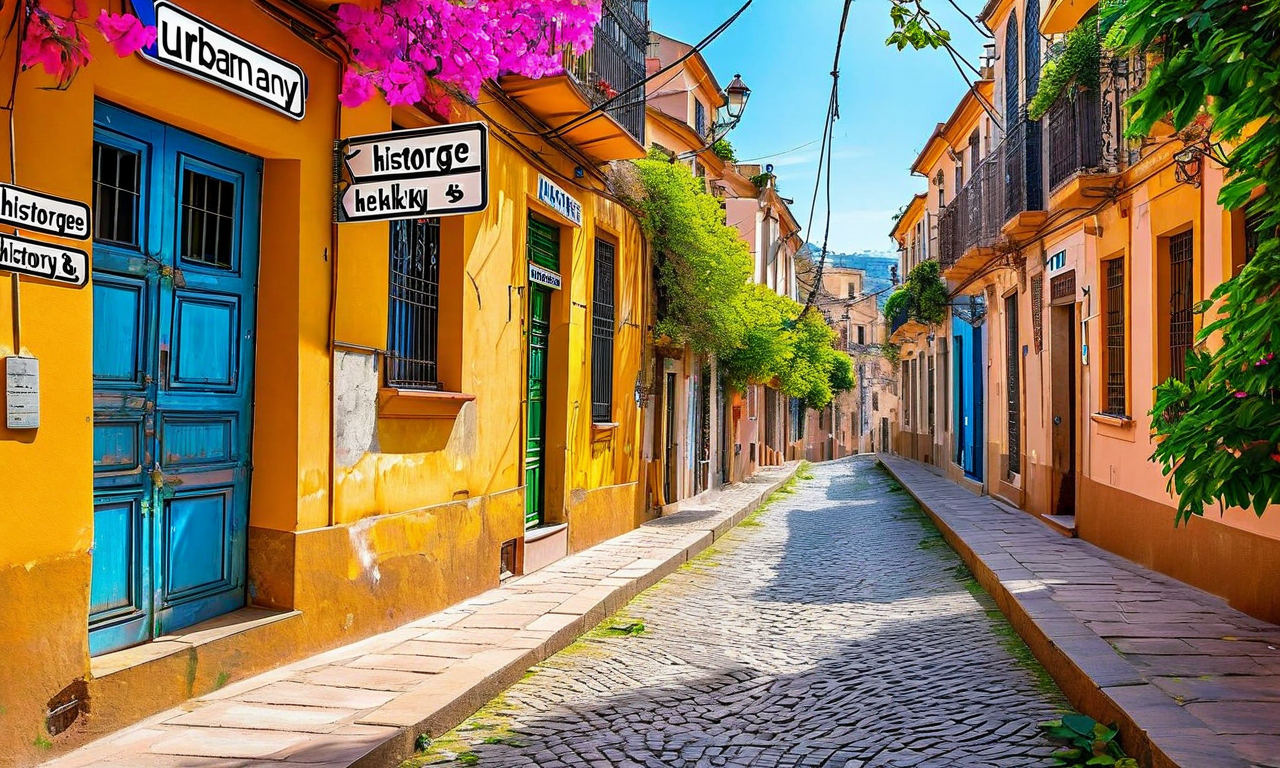
Urban History & Heritage Walking Tour
Your city's walls are talking—most people just don't know the language yet.
About This Quest
Decode your city's forgotten stories through architecture, street signs, and hidden historical markers most locals walk past every day.
Every city block holds layers of stories—you just need to know where to look. That cornerstone date isn't random decoration. Those iron rings on building facades once tied horses. The wider street that suddenly narrows? Former trolley line. Once you learn to read these clues, a simple walk transforms into time travel. This quest teaches you to spot historical evidence hiding in plain sight. You'll learn which architectural details reveal a building's age, how street patterns expose old shorelines or property disputes, and why certain neighborhoods have their particular character. The best part: this works in any city. Buffalo, Birmingham, or Boston—the principles stay consistent. Start in your city's oldest surviving commercial district. Morning light reveals carved details better, and you'll beat the crowds. Bring curiosity and comfortable shoes—you'll cover 2-3 miles while stopping frequently to examine brickwork, read historical markers, and notice patterns. The city becomes a museum without walls, and admission is free.
Step-by-Step Guide
Research your city's oldest neighborhood or historic district online—most city websites have heritage walking routes mapped. Print or screenshot a basic route covering 1.5-2 miles with 6-8 significant buildings or sites.
Start at your district's oldest surviving structure. Walk the perimeter slowly. Note the building materials (brick patterns, stonework, wood detailing), foundation height (reveals original street level), and window styles (architectural periods have distinct shapes).
Look for cornerstone dates, usually found at building corners near the foundation. These reveal construction years. Many buildings display them proudly; others hide them under decades of paint.
Document three architectural details that repeat across multiple buildings—this reveals the era's construction trends. Common examples: decorative corbelling under rooflines, transom windows above doors, cast iron facade elements, or specific brick bonding patterns.
Find at least two official historical markers or plaques. Read them completely, then look around—what do you see that they don't mention? Markers tell official stories; the buildings themselves often contradict or expand those narratives.
Identify evidence of adaptive reuse—buildings that clearly served different original purposes. Loading dock doors now filled in, extra-wide storefronts that were once carriage entrances, or industrial windows in residential conversions tell economic shift stories.
Trace infrastructure ghosts. Look for filled-in streetcar tracks, remnant trolley poles, coal chute covers in sidewalks, old utility cutoffs, or street name changes on corner buildings. These reveal how the city functioned before cars dominated.
Stop at a local independent coffee shop or cafe in the district. Ask the barista or owner about the building's history—longtime business owners know stories that never make it to official histories.
Photograph or sketch five details you'd never noticed before this walk. Focus on textures, patterns, and small-scale elements rather than whole-building shots.
End at a local history library, museum, or historical society if one exists nearby. Compare what you observed with archived photographs or maps. The contrast between then and now crystallizes what's changed and what's stubbornly remained.
Gear Up for Your Quest
Get everything you need to make this quest amazing.
Architectural Field Guide for Your Region
RecommendedPocket-sized guidebook identifying local building styles, materials, and historical periods specific to your geographic area
Get This ItemLocal Historical Society Mobile App
RecommendedCity-specific heritage app offering geolocated historical photos, building records, and AR overlays showing historical contexts
Get This Item10x Magnifying Loupe
OptionalJeweler's loupe or folding magnifier for examining fine details in stonework, stamps, and inscriptions
Get This ItemUV Flashlight Keychain
OptionalSmall UV LED light for revealing hidden historical markings, old signage, and painted-over details
Get This Item💙 Shopping through these links helps support IRL Sidequests at no extra cost to you. Thanks for making adventures possible!
Editor's Picks
Hand-selected quests our team thinks you'll love

Tabletop Firepit Night
Cozy, gooey, unforgettable nights.

Cocktail Science Lab
Turn your kitchen into a mad scientist’s bar.

Pellet Gun Accuracy Challenge
Sharpshooter bragging rights start here.