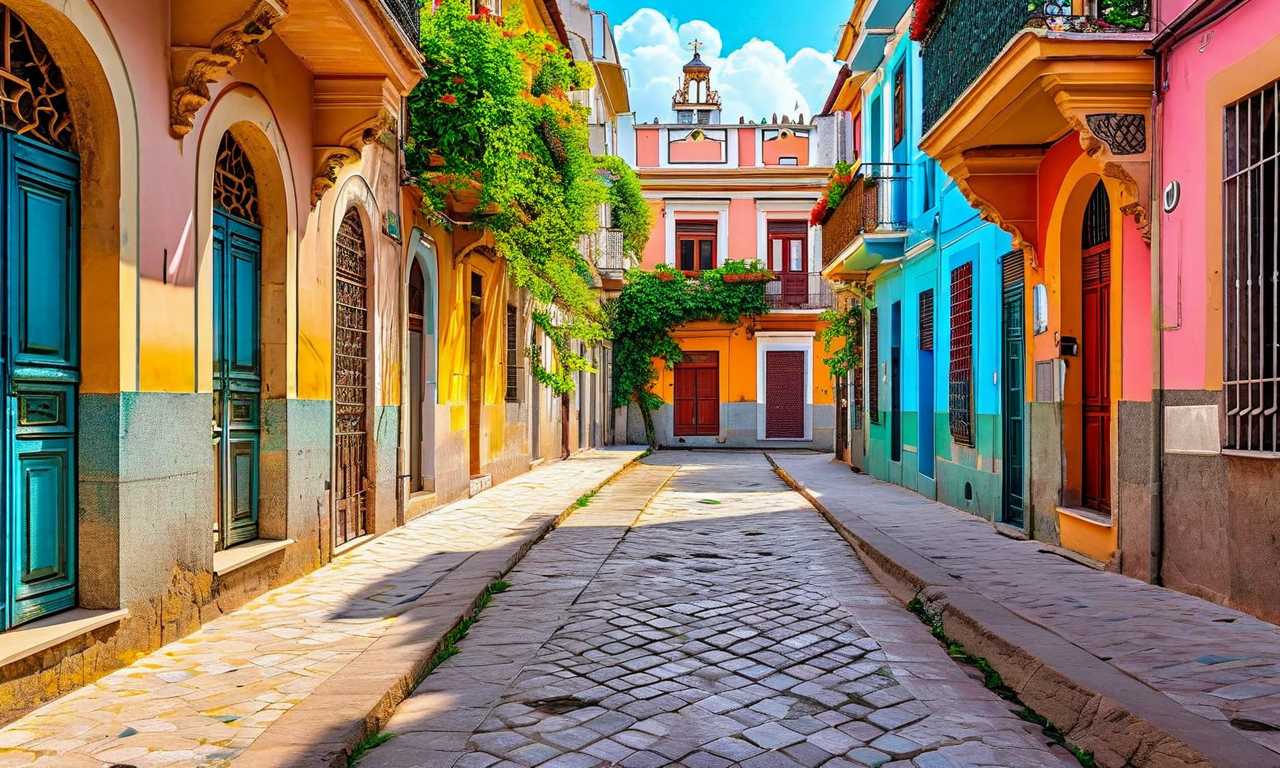
Urban History & Heritage Exploration
Your city is a three-dimensional history book—you just need to know where to look.
About This Quest
Decode your city's past through architectural details, forgotten plaques, and layers of history hiding in plain sight.
Most people walk past a century of stories every single day without noticing. That cornerstone carved with '1887'? It marks when the neighborhood transformed from farmland to rowhouses. The bricked-up windows three stories up? They're remnants of a fire escape regulation from 1911. The inconsistent brick colors on one building? That's where a 1940s bomb or 1970s fire forced a rebuild. This quest teaches you to read cities like archaeologists read dig sites—in layers. You'll train your eye to spot architectural transitions, decode historical markers most locals ignore, and piece together neighborhood timelines from physical evidence. The best part? Every city has these clues. A pre-war downtown will show you Art Deco flourishes next to Victorian ironwork. Post-industrial areas reveal factory-to-loft conversions. Even suburbs built in a single decade contain stories in their street layouts and architectural compromises. Start in your city's oldest surviving commercial district. The concentration of historical layers makes pattern recognition easier. Morning light (7-9 AM) rakes across building facades at an angle that makes carved details and old signage pop. Bring a camera with decent zoom—those date stones and terra cotta ornaments sit high up. You're not just taking photos; you're documenting evidence. After three or four of these walks, you'll start seeing your entire city differently. That's when it gets addictive.
Step-by-Step Guide
Pick a downtown district or main street built before 1960—check your city's historical society website or old Sanborn fire insurance maps (free online) for dating buildings. Aim for a 6-8 block radius you can cover on foot.
Start at one end of your target area. Walk slowly on the sunny side of the street first—shadows hide details. Look UP past the modern storefronts to the second and third floors where original architecture survives.
Hunt for date stones (carved foundation markers), cornerstone dedications, or terra cotta building names. These sit above door frames, in cornerstones, or embedded in brick patterns near the roofline. Use your camera's zoom to read weathered inscriptions.
Document architectural style shifts. Spot the transitions: Romanesque Revival arches (1880s-1900s) next to Art Deco geometry (1920s-1930s) next to mid-century modern glass blocks (1950s-1960s). Each style tells you when that block boomed.
Find the "ghost signs"—faded painted advertisements on brick walls. These mark old business districts. Photograph them before they disappear completely. Note the products advertised; they date the neighborhood's economic peak.
Track infrastructure fossils: bricked-over coal chutes in sidewalks, old trolley rail tracks peeking through worn asphalt, cast-iron utility covers with foundry names and dates, vintage streetlight bases.
Stop at official historical markers, but cross-reference them. Use your phone to pull up old photos of the same location from your city archives or library digital collections. See what changed and what survived.
Map your findings on your phone with geotagged photos. After 90 minutes, sit at a cafe in your exploration zone and sketch out a rough timeline of the neighborhood's development based on what you documented.
Before leaving, walk one side street perpendicular to your main route. Residential blocks often preserve details that commercial areas renovated away—original window styles, porch designs, or even outhouse structures converted to storage sheds.
When you get home, spend 20 minutes researching one building that puzzled you. City building permit records, old newspaper archives, or local history Facebook groups can fill in stories. This post-walk research makes the next exploration twice as rewarding.
Gear Up for Your Quest
Get everything you need to make this quest amazing.
Wide-angle and telephoto lens smartphone attachment set
RecommendedClip-on lens kit with both wide-angle (for building facades) and telephoto/zoom (for high date stones and architectural details)
Get This ItemVintage city map or Sanborn map digital access
RecommendedHistorical fire insurance maps (1880s-1950s) showing building footprints, materials, and uses; many free through Library of Congress or university digital collections
Get This ItemPolarizing filter for smartphone
OptionalClip-on circular polarizer that reduces glare and enhances contrast
Get This ItemPocket architectural style field guide
OptionalRegional architectural spotting guide (e.g., 'A Field Guide to American Houses') focused on your area's prevalent styles
Get This Item💙 Shopping through these links helps support IRL Sidequests at no extra cost to you. Thanks for making adventures possible!
Editor's Picks
Hand-selected quests our team thinks you'll love

Tabletop Firepit Night
Cozy, gooey, unforgettable nights.

Cocktail Science Lab
Turn your kitchen into a mad scientist’s bar.
Pellet Gun Accuracy Challenge
Sharpshooter bragging rights start here.