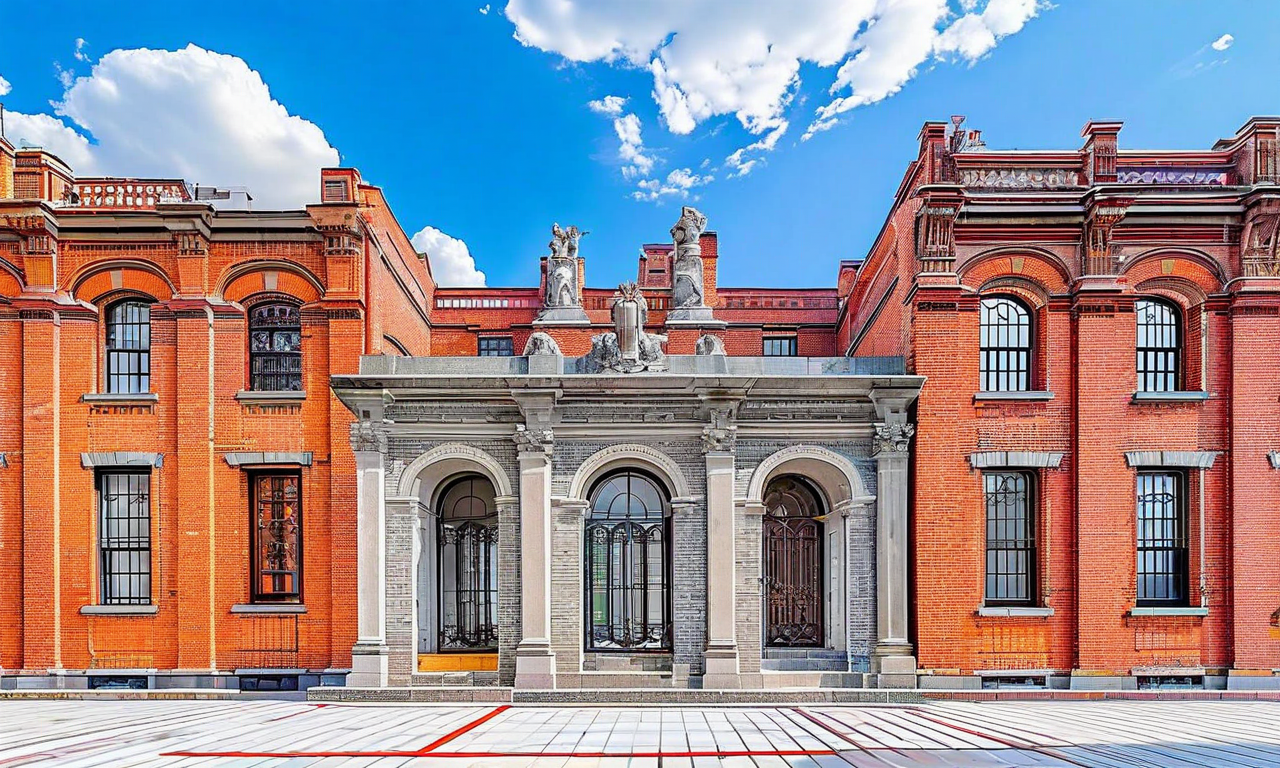
Urban History & Architecture Quest
Every building tells a story—you just need to know how to read it.
About This Quest
Learn to decode architectural styles, historical layers, and urban stories written in brick, steel, and stone through a self-guided city exploration.
Your city is a living textbook. Those cornices, window styles, and construction materials reveal decades or centuries of economic shifts, cultural trends, and human decisions. Most people walk past ornate stonework and steel frames without a second glance, but once you learn the visual language of architecture, every block becomes a detective story. This quest teaches you to spot the difference between Romanesque arches and Gothic Revival, identify when a building was constructed based on window patterns and brickwork, and understand why certain neighborhoods look the way they do. You'll notice ghost signs on brick walls, decode historic plaques, and recognize when a building's facade hides a completely different structure behind it. The morning light hits terracotta details best between 8-9 AM, casting shadows that reveal decorative depth invisible at noon. No art history degree required. You'll start with basic pattern recognition—counting window bays, examining cornerstone dates, noting material transitions from wood to brick to steel. By the end, you'll walk through any city and automatically categorize buildings by era, understand neighborhood development patterns, and spot historical modifications. Your daily commute becomes a continuous architectural education.
Step-by-Step Guide
Choose a neighborhood with buildings from multiple eras—downtown districts, old main streets, or historic residential areas work best. Aim for at least 6-8 blocks with varied construction dates.
Start with cornerstone dates and plaques. Most buildings constructed before 1950 have carved dates or metal markers. Walk one block and note every date you find. This establishes your neighborhood's timeline.
Learn three basic window patterns: double-hung sash (pre-1920s), steel casement (1920s-1940s), and large fixed panes (1950s onward). Count windows on five buildings. Window styles changed with manufacturing technology, making them reliable dating tools.
Examine brick patterns and colors. Hand-molded bricks (pre-1900) show size irregularities. Machine-pressed bricks (1900-1950) are uniform. Note mortar width—older buildings have thicker joints. Photograph three different brick types for comparison.
Identify one Art Deco detail (geometric patterns, stylized florals, vertical emphasis—common 1920s-1930s), one Victorian element (ornate brackets, bay windows, decorative trim—1880s-1900), and one mid-century modern feature (horizontal lines, flat roofs, minimal decoration—1950s-1970s).
Look up, literally. Rooflines and upper floors retain original details street-level renovations destroyed. Cornices, parapets, and top-floor window arrangements reveal original building purpose—narrow windows mean residential, wide ones mean commercial or industrial.
Find one 'ghost sign'—faded painted advertisements on brick walls. These mark pre-electric-sign commercial corridors. Note what was being sold; it indicates the neighborhood's historical economic activity.
Spot adaptive reuse—buildings serving new purposes. Churches converted to apartments, warehouses turned into offices, banks becoming restaurants. Look for architectural clues that don't match current use (high ceilings in retail spaces, loading docks on residential buildings).
Document material transitions along your route. Note where wood-frame construction gives way to brick, brick to terracotta, terracotta to steel and glass. These transitions map economic development and fire code changes.
End at a building you found most interesting. Spend 10 minutes observing details: symmetry, proportion, decorative elements, material choices, how it relates to neighboring structures. Write a brief building biography based solely on visual evidence.
Gear Up for Your Quest
Get everything you need to make this quest amazing.
Architectural Styles Field Guide Book or App
RecommendedPocket reference with photos identifying Victorian, Art Deco, Modernist, and other architectural styles by visual features
Get This ItemBinoculars (8x32 or 10x42)
RecommendedCompact binoculars for examining upper-floor details, roofline ornaments, and cornerstone dates without neck strain
Get This ItemClip-on Macro Lens for Smartphone
OptionalMagnifying lens attachment that captures extreme close-ups of brick textures, mortar patterns, and carved details
Get This ItemLocal Historical Society Walking Tour Map
OptionalPre-researched route highlighting architecturally significant buildings with construction dates and historical context
Get This Item💙 Shopping through these links helps support IRL Sidequests at no extra cost to you. Thanks for making adventures possible!
Editor's Picks
Hand-selected quests our team thinks you'll love

Tabletop Firepit Night
Cozy, gooey, unforgettable nights.

Cocktail Science Lab
Turn your kitchen into a mad scientist’s bar.

Pellet Gun Accuracy Challenge
Sharpshooter bragging rights start here.