Urban Gardening & Green Spaces - Nature & Outdoors quest for Beginner level adventurers

Urban Gardening & Green Spaces

That bare balcony can produce 40 pounds of tomatoes by August.

Share:
5 supplies needed· Estimated total: $60+
View supplies

About This Quest

Turn balconies, fire escapes, and concrete corners into productive gardens using vertical systems and container methods.

Urban gardening isn't about having perfect soil or massive yards. It's about exploiting vertical space, understanding microclimates, and working with containers. That south-facing fire escape? It gets six hours of direct sun, enough for peppers and herbs. The shaded north balcony? Perfect for lettuce and spinach that won't bolt in summer heat. I've seen studio apartment dwellers pull 15 different herbs from a 4-foot wall rack, and rooftop gardeners harvest enough greens to skip the produce aisle for months. The secret is density and succession planting. While suburban gardeners space tomatoes three feet apart, you're stacking vertical grow bags and interplanting fast-growing radishes between slower crops. Every square foot works harder. Rain barrels capture runoff for free watering. Worm composting bins turn kitchen scraps into black gold without the smell. Your building's parking lot traps heat, extending your growing season by three weeks on both ends. Start small and expand. One 5-gallon bucket of cherry tomatoes teaches you more than reading ten articles. You'll learn your building's wind patterns, which corners frost first, and when the afternoon sun shifts. By year two, you're planning crop rotations and seed-starting schedules. Community gardens offer plots if you want ground space, but guerrilla gardening empty lots and neglected median strips also works—sunflowers and wildflower mixes ask no permission and improve neighborhoods overnight.

Duration
3-4 hours initial setup, 15-30 minutes daily maintenance
Estimated Cost
$60+
Location
Both
Season
Year-round
Family Friendly
All ages welcome

What You'll Need

Top gear to make this quest great.

Fabric Grow Bags (5-pack, 5-gallon)
Fabric Grow Bags (5-pack, 5-gallon)Popular

Superior drainage prevents root rot, air pruning creates healthier root systems than plastic pots, and handles let you move plants to chase sunlight or avoid harsh weather

$18-25
Concentrated Liquid Fertilizer (Organic)

Container plants exhaust nutrients fast; liquid feeds absorb immediately through roots and leaves for rapid correction of deficiencies; organic formulas won't burn plants

$15-22
Soil Moisture Meter
Soil Moisture Meter

Eliminates guesswork on watering schedules and prevents the #1 beginner mistake of overwatering; pH readings help diagnose nutrient lockout issues before plants show symptoms

$12-18
View all 5 supplies

As an Amazon Associate I earn from qualifying purchases. Prices may change.

Step-by-Step Guide

1

Map your sun exposure. Track where direct sunlight hits throughout the day. South-facing gets most light (best for tomatoes, peppers, eggplant). East-facing gets gentler morning sun (good for leafy greens, herbs). West-facing gets hot afternoon blast (herbs, heat-lovers). North-facing stays shaded (lettuce, spinach, shade-tolerant flowers). Take photos at 9AM, noon, and 4PM on a sunny day.

2

Start with three 5-gallon containers or grow bags. Drill drainage holes if using buckets. Fill with quality potting mix—not garden soil, which compacts in containers. Plant something hard to kill: cherry tomatoes, basil, or lettuce. Water until it drains from the bottom. Stick your finger two inches deep daily; water when dry at that depth.

3

Install vertical support for climbing plants. Tomatoes and cucumbers grow up, not out. Attach sturdy trellises to railings or walls. Use cable ties or wire, not string that breaks mid-season. Plant pole beans or peas at the base—they'll climb anything and fix nitrogen in the soil while producing food.

4

Set up a watering system that fits your schedule. Self-watering containers have reservoirs lasting 3-7 days. Drip irrigation on timers handles daily watering when you travel. Group containers by water needs—tomatoes drink heavily, succulents barely sip. Morning watering prevents fungal issues and conserves water through less evaporation.

5

Feed your plants every 2-3 weeks with liquid fertilizer. Container plants can't access ground nutrients, so they depend on you. Fish emulsion, compost tea, or balanced organic fertilizers work. Yellowing leaves mean nitrogen deficiency. Purple-tinged leaves signal phosphorus needs. Stunted growth indicates potassium shortage.

6

Harvest continuously to trigger more production. Pick lettuce leaves from outside, leaving the center to regrow. Pinch herb tops to encourage bushier growth. Harvest tomatoes when fully colored but still firm. Pull carrots when shoulders emerge from soil. The more you harvest, the more most plants produce.

7

Scout for pests weekly. Aphids cluster on new growth—blast them off with water or squish them. Hornworms hide under tomato leaves and can strip a plant overnight. Slugs leave slime trails and appear after dark. Hand-pick pests early before populations explode. Companion planting marigolds and nasturtiums helps deter some insects.

8

Extend your season with row covers or cold frames. Floating row covers add 4-6 weeks to spring and fall growing. They're just fabric draped over hoops, protecting from frost while allowing light and water through. Start cool-season crops (lettuce, broccoli, peas) in late summer for fall harvest. Plant again in early spring before last frost.

Gear Up for Your Quest

Get everything you need to make this quest amazing.

VIVOSUN 5-Pack 5 Gallon Grow Bags Heavy Duty 300G Thickened Nonwoven Plant Fabric Pots with Handles

Fabric Grow Bags (5-pack, 5-gallon)

EssentialPopular
$15.99
★★★★★4.6 (62,002)

Superior drainage prevents root rot, air pruning creates healthier root systems than plastic pots, and handles let you move plants to chase sunlight or avoid harsh weather

Breathable fabric containers with handles for root aeration and portability

Get on Amazon · $15.99

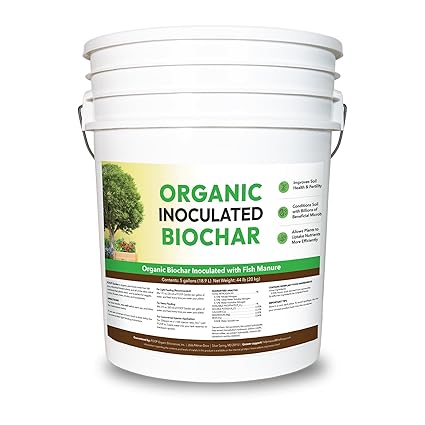
FOOP Organic Inoculated Biochar: Helps Plants and Trees Get The Most Out of Soil | Allows Plants to Uptake Nutrients More Efficiently | Contains Millions of Soil-Enriching Micro-Organisms | 5G Pail

Concentrated Liquid Fertilizer (Organic)

Essential
$99.99
★★★★★4.7 (81)

Container plants exhaust nutrients fast; liquid feeds absorb immediately through roots and leaves for rapid correction of deficiencies; organic formulas won't burn plants

Fish emulsion or kelp-based concentrate making 30+ gallons

Get on Amazon · $99.99

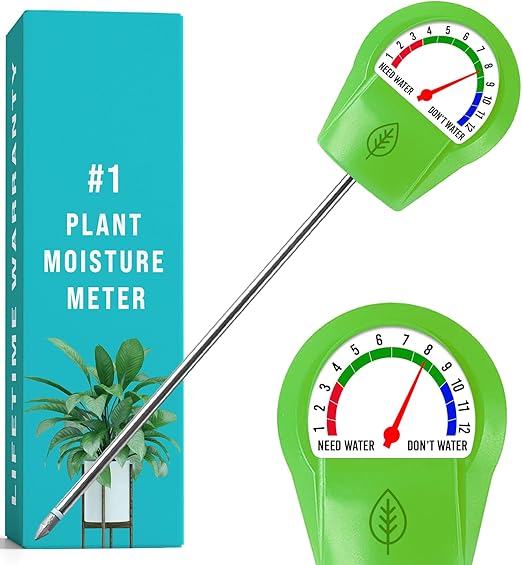
GROWIT Plant Moisture Meter - Accurately Tells You When to Water Your Plants - 26cm, No Battery Needed

Soil Moisture Meter

Recommended
$9.99
★★★★4.4 (2,935)

Eliminates guesswork on watering schedules and prevents the #1 beginner mistake of overwatering; pH readings help diagnose nutrient lockout issues before plants show symptoms

3-in-1 probe measuring moisture, pH, and light levels

Get on Amazon · $9.99

200Pcs Secured Plant Support Clips - Tomato Clips for String Trellis, Grape Vine Grid Clamp for Garden Netting Climbing Plants, Fixing Stem and Vine (Green)

Trellis Netting with Clips

Recommended
$9.99
★★★★★4.5 (176)

Triples your vertical growing space for vining crops; supports heavy fruit without breaking branches; folds away for off-season storage; works on railings, walls, or freestanding frames

6x8 foot nylon netting with 6-inch squares and attachment hardware

Get on Amazon · $9.99

Maygrove T5 Grow Lights for Indoor Plants 1FT, Blue-Rich Full Spectrum 5000K Grow Light, 28W(4 x 7W), Grow Light Strips for Seed Starting, Greenhouse, High PPFD, Linkable, White, 4-Pack

LED Grow Light Strip

Optional
$23.79
★★★★★4.5 (111)

Extends growing season by starting seeds indoors 6-8 weeks early; supplements light for indoor herb gardens in winter; pays for itself by avoiding nursery seedling costs

Full-spectrum LED strip for seed starting or low-light supplementation

Get on Amazon · $23.79

As an Amazon Associate, IRL Sidequests earns from qualifying purchases at no extra cost to you.

Prices and availability are subject to change. The price shown at checkout on Amazon at the time of purchase will apply.