Master urban foraging with the right tools. Learn which specialized equipment helps you safely identify, harvest, and transport wild edibles from city spaces.
Urban foraging isn't just about knowing what to pick—it's about having the right tools to do it safely and legally. I've watched too many beginners tear plants with bare hands, contaminate their finds in grocery bags, or worse, misidentify something because they relied on a blurry phone photo. The difference between carrying specialized foraging equipment and winging it is the difference between bringing home clean, properly identified edibles versus potentially dangerous mistakes.
The tools matter because cities are complicated ecosystems. That mulberry tree dropping fruit on the sidewalk? You need something to reach the clean branches away from dog-pee height. Those dandelion greens in the park? A proper digging tool gets the whole taproot without destroying the lawn. And when you're harvesting near traffic or in questionable soil conditions, specialized equipment helps you make smarter decisions about what's worth taking home.
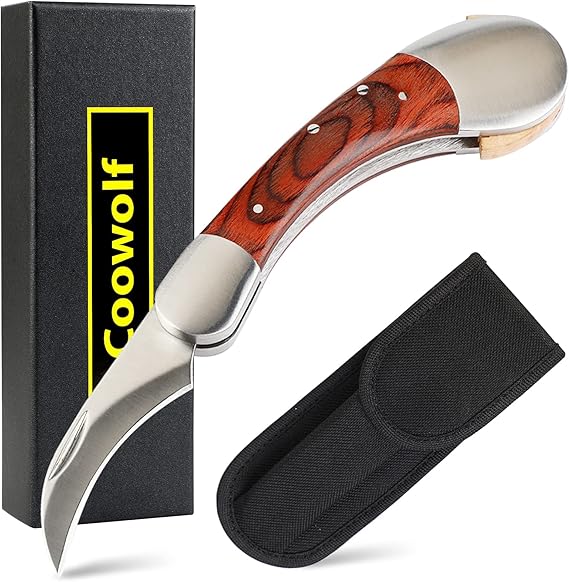
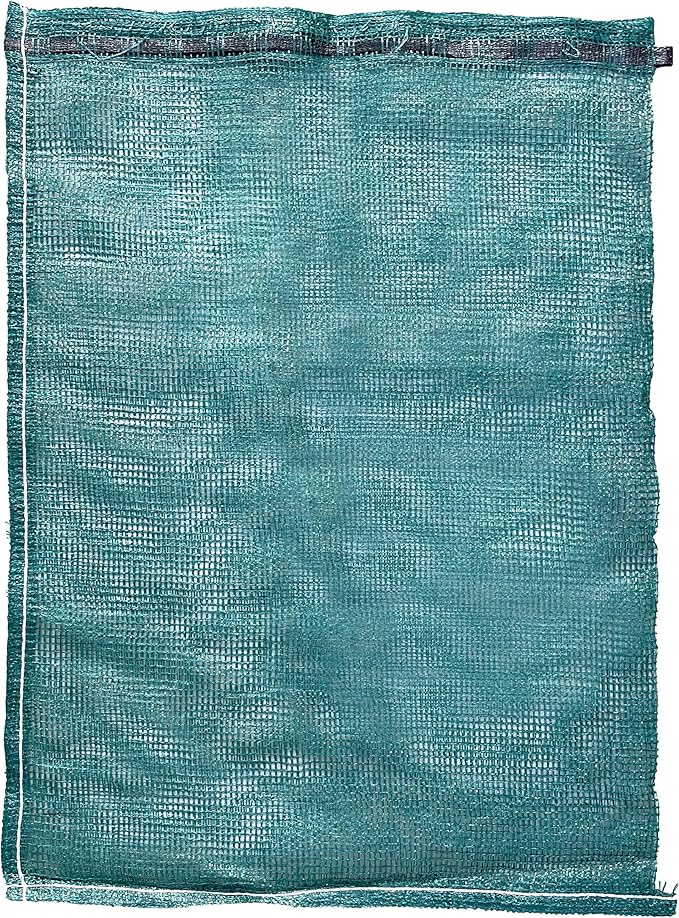
This quest walks you through the essential gear that transforms casual plant-picking into informed urban harvesting. You'll learn why a dedicated foraging knife beats your pocket knife, how mesh bags prevent moisture build-up that ruins delicate finds, and why a good field guide is worth more than any app when you're standing in a vacant lot trying to confirm whether that's wild garlic or something toxic. If you'd rather see everything laid out in one place before you head out, start with this urban foraging gear checklist. These aren't luxury items—they're the baseline tools that keep foraging safe, legal, and productive in urban environments.
Why This Quest Matters
This gear setup transforms you from someone who tears plants and carries contaminated finds home in grocery bags into a forager who harvests cleanly and safely. You'll reach those clean mulberry branches above dog-pee height, extract dandelion taproots without destroying lawns, and make informed decisions about what's safe to eat near traffic. The right tools mean the difference between confident harvesting and potentially dangerous mistakes.