The city feeds you if you know where to look—and when.
Learn to identify and harvest wild edibles in urban environments across all four seasons, from spring dandelions to winter rose hips.
Cities aren't food deserts if you shift your vision. That patch of 'weeds' near the park entrance? Likely chickweed, edible and peppery. Those trees dropping fruit on the sidewalk? Probably mulberries or crabapples. Urban foraging isn't about survival—it's about reconnecting with the wild calendar that still runs beneath concrete. Spring brings tender greens, summer explodes with berries, fall drops nuts and seeds, winter reveals bark teas and persistent fruits. Each season rewrites the city's menu. This quest teaches you to read urban landscapes through the forager's lens across twelve months. You'll learn identification markers that change with seasons—how garlic mustard shoots up in April but goes bitter by June, how elderflowers in May become elderberries by August. The skill isn't just recognizing plants; it's timing your harvest windows and understanding which public spaces allow foraging (most parks permit personal-use harvesting of non-protected species, but always verify local regulations). You'll train your eye to spot patterns: wild grape vines climbing chain-link fences, lambsquarters thriving in disturbed soil behind grocery stores, wood sorrel carpeting shaded walkways. The city becomes readable. You'll smell autumn's black walnut drop before you see the green husks, hear squirrels working oak trees that'll yield acorns for flour. This isn't romantic—it's practical observation that makes every walk productive.
Start with spring reconnaissance (March-May): Walk your neighborhood's edges—alleyways, park perimeters, abandoned lots. Look for early greens pushing through: dandelion rosettes (harvest before flower stalks appear), chickweed's small white flowers, violets in lawns (leaves and flowers both edible). Photograph everything, note exact locations. Spring edibles are tender but brief—you've got maybe 3-4 weeks per species.
Download a plant identification app with offline capability and seasonal filtering. Photograph plants from multiple angles: whole plant, leaf detail, stem close-up. Cross-reference with at least two sources before considering anything edible. Create a digital map marking species locations with seasonal notes—lambsquarters appear in June, not April, at the same spot.
Learn the 'dirty dozen' urban toxic plants: poison hemlock (looks like wild carrot), pokeweed berries (roots and berries toxic), nightshade family members. Memorize these first. Urban foraging's golden rule: 100% positive ID or it stays on the plant. When in doubt, photograph and research at home.
Track summer abundance (June-August): Focus on fruit-bearing trees and shrubs. Mulberries stain sidewalks purple—look up to find the source. Black raspberries hide along sunny fence lines. Elderflowers bloom white and fragrant in waste areas (flowers for tea, but wait for late summer berries). Summer heat means early morning foraging—plants are crisper, you're not cooked.
Join one urban foraging walk led by a local expert or mycological society. Watch how they assess contamination risk (avoid plants within 50 feet of busy roads due to lead and exhaust particulates, skip anything sprayed with herbicides—look for telltale brown leaf edges). Learn their harvest ethics: take 10% maximum, leave roots intact, spread your harvest across multiple plants.
Plan autumn's big harvest (September-November): This is nut and seed season. Black walnuts drop in their green husks—wear gloves, they stain permanently. Acorns need leaching to remove tannins but provide serious calories. Persimmons sweeten after first frost. Rose hips bulk up for vitamin C extraction. Fall foraging rewards patience—processing time exceeds harvest time.
Document seasonal patterns in a foraging journal: first dandelion appearance date, last mulberry, first walnut drop. After one year, you'll predict harvest windows better than any app. Note weather impacts—early warm springs advance everything by two weeks, dry summers shrink berry yields.
Practice winter foraging (December-February): Seasons don't end, they shift. Burdock roots are sweetest after frost. Pine needles make vitamin C tea year-round. Rose hips persist. Chickweed grows through mild winters. Winter foraging is lean but teaches you to spot the persistent species—the ones that don't quit.
Establish processing protocols: wash everything three times (cities are dusty), cook anything questionable (heat neutralizes many irritants), start with tiny taste-test amounts even after positive ID (individual allergies exist). Keep foraged foods separate from store-bought until you've eaten that species three times without reaction.
Connect harvesting to seasonal cooking: spring greens in salads, summer berries frozen for year-round use, fall nuts stored properly (dehusk walnuts immediately, they mold fast), winter roots roasted. Urban foraging isn't about replacing grocery stores—it's about supplementing with hyperlocal, zero-footprint ingredients that actually taste like the season.
Build a seasonal species checklist for your specific city: climate zones matter hugely. What thrives in Atlanta won't appear in Minneapolis. Focus on the 15-20 species that reliably appear in your area rather than chasing every possible edible. Depth beats breadth in foraging.
Master the seasonal rotation: revisit the same spots monthly, watching what emerges, peaks, and fades. That weedy corner produces four different edibles across the year if you time it right. Urban foraging is less about finding new places and more about knowing your places through all their seasonal faces.
Get everything you need to make this quest amazing.
Waterproof, pocket-sized identification guide organized by season and plant family, with clear photos and toxic look-alike warnings
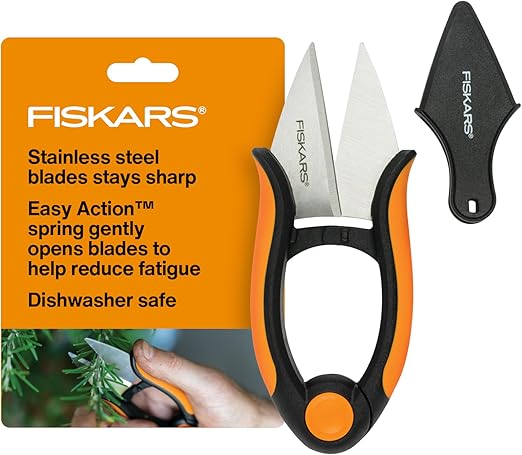
Get This ItemDedicated foraging scissors with one serrated blade for woody stems, stainless steel to prevent plant-juice corrosion
Get This ItemFree species identification app with computer vision and seasonal occurrence data, works offline after downloading regional species packs
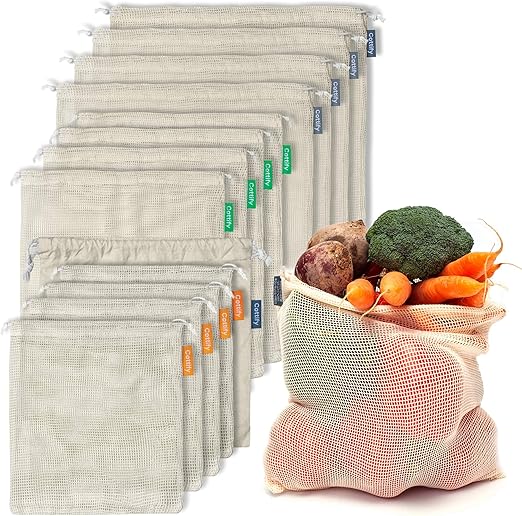
Get This ItemCotton or linen drawstring bags that allow airflow, preventing condensation that wilts greens and molds berries during transport
Get This ItemCompact hanging scale for weighing harvest bags to track quantity and monitor sustainable harvest amounts
Get This Item💙 Shopping through these links helps support IRL Sidequests at no extra cost to you. Thanks for making adventures possible!
Hand-selected quests our team thinks you'll love

Cozy, gooey, unforgettable nights.

Turn your kitchen into a mad scientist’s bar.

Sharpshooter bragging rights start here.