Your concrete jungle is hiding a wild edible treasure map—if you know how to read it safely.
Master the art of safe urban foraging with seasonal identification techniques, safety protocols, and expert harvesting methods for city-dwelling wild edibles.
Urban foraging transforms city spaces into abundant food sources, but safety and proper identification are paramount. This comprehensive quest teaches you to identify, harvest, and safely consume wild edibles growing in urban environments throughout the seasons. You'll learn critical distinction markers between edible plants and toxic lookalikes, understand legal harvesting zones, and master contamination avoidance strategies specific to city environments. From spring's tender dandelion greens and chickweed to summer's abundant mulberries and purslane, fall's acorns and rosehips, to winter's evergreen needles and root vegetables—each season offers unique foraging opportunities. This quest prioritizes your safety through multiple identification verification methods, proper preparation techniques, and environmental awareness that protects both foragers and urban ecosystems. You'll develop expertise in reading urban landscapes for foraging potential while navigating the unique challenges of city environments: pollution considerations, legal boundaries, and sustainable harvesting practices that ensure these wild food sources remain abundant for future foragers. This isn't just food gathering—it's reconnecting with ancestral knowledge adapted for modern urban living.
Top gear to make this quest great.

Provides authoritative botanical identification with multiple angles and growth stages, critical safety information about toxic lookalikes, and serves as your primary verification source when internet connectivity is unavailable

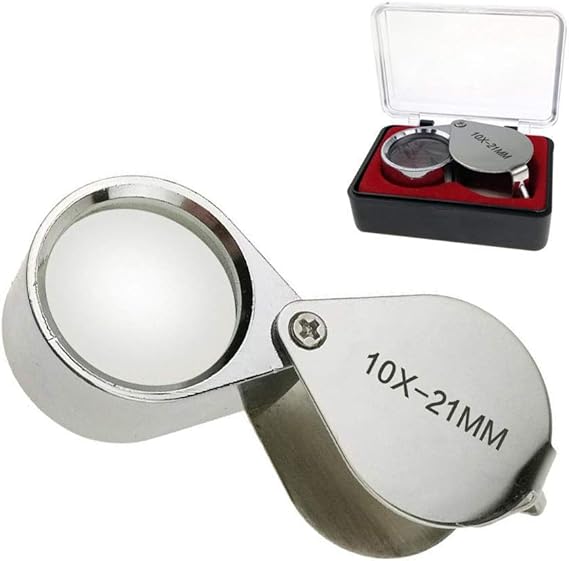
Enables critical identification of minute botanical features like hair patterns, gland structures, and spore prints that distinguish edible species from toxic lookalikes—essential for expert-level identification

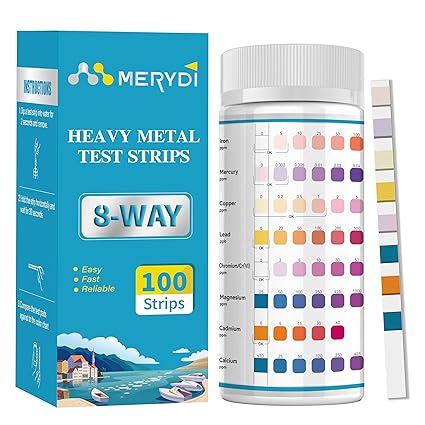
Assesses contamination levels in urban foraging sites before harvesting, providing data-driven safety decisions about whether a location is suitable for edible plant collection
As an Amazon Associate I earn from qualifying purchases. Prices may change.
Acquire field guides specific to your bioregion and download the recommended identification app with offline capability for cross-referencing in the field without data connectivity
Research local foraging regulations and identify legal harvesting zones—map out 3-5 low-contamination areas away from roadways (50+ feet), industrial sites, and chemically treated parks
Begin with the 'Rule of Three': Never consume any plant unless you can positively identify it using three independent sources (field guide, app, expert verification)
Start your seasonal assessment by identifying abundant beginner-friendly plants: dandelions (spring), plantain (summer), chickweed (spring/fall), and wood sorrel (year-round in mild climates)
Practice the full identification protocol: examine leaf arrangement, stem characteristics, flower/fruit structure, growth habitat, and smell—photograph all angles for later verification
Learn and memorize toxic lookalikes for your target species: hemlock vs. Queen Anne's lace, pokeweed berries vs. elderberries, false morels vs. true morels
Conduct the 'poison zone assessment': avoid areas within 50 feet of roads (lead/heavy metals), below gutters (roof treatment runoff), near industrial sites, and in chemically maintained landscapes
Perform the contact allergy test before consuming new species: rub plant material on inner wrist, wait 15 minutes for reaction; if clear, proceed to small taste test (chew and spit), wait 8 hours
Use the 'sustainable harvest rule': Never take more than 10% from any single patch, leave roots intact when possible, scatter seeds to encourage regeneration, and rotate foraging locations
Process your harvest immediately: triple-wash all foraged items, inspect for contamination or insects, and properly prepare according to species requirements (some require cooking to neutralize compounds)
Document your findings in a foraging journal: location (general area), date, plant species, quantity, preparation method, and taste notes—build your personal seasonal foraging calendar
Connect with local foraging communities or mycological societies for guided walks, species verification assistance, and ongoing education—never forage alone until expert-level confident
Get everything you need to make this quest amazing.

Provides authoritative botanical identification with multiple angles and growth stages, critical safety information about toxic lookalikes, and serves as your primary verification source when internet connectivity is unavailable
Comprehensive waterproof field guide specific to your bioregion featuring detailed photographs, lookalike warnings, and seasonal availability charts
Get on Amazon · $22.09
Enables critical identification of minute botanical features like hair patterns, gland structures, and spore prints that distinguish edible species from toxic lookalikes—essential for expert-level identification
Pocket-sized optical magnifier with LED illumination for detailed plant structure examination
Get on Amazon · $8.99
Assesses contamination levels in urban foraging sites before harvesting, providing data-driven safety decisions about whether a location is suitable for edible plant collection
Field-portable test strips detecting lead, cadmium, and other heavy metal contamination in soil and water sources
Get on Amazon · $12.34
Maintains specimen freshness during extended foraging sessions, prevents crushing delicate plants, and for mushroom foraging, allows spore dispersal to support ecosystem regeneration
Traditional woven basket or modern mesh bag designed for plant specimen transport with airflow to prevent wilting and allow spore dispersal
Get on Amazon · $109.00Provides instant secondary identification verification, connects you to expert botanist community for confirmation, and maintains a digital collection log with GPS coordinates for future reference
AI-powered plant identification app with expert community verification, offline mode, and poisonous plant warnings
As an Amazon Associate, IRL Sidequests earns from qualifying purchases at no extra cost to you.
Prices and availability are subject to change. The price shown at checkout on Amazon at the time of purchase will apply.
Hand-selected quests our team thinks you'll love

Your neighborhood has more species than you think—time to prove it.

Your city's wilder than you think—you just need to know where to look.

That flash of red in the oak tree isn't just background noise anymore.