IRL Sidequests
Urban Foraging Seasonal Calendar - Nature & Outdoors quest for Intermediate level adventurers

Urban Foraging Seasonal Calendar

Your city's growing free food right now—you just need to know where to look and when to pick it.

About This Quest

Track and harvest wild edibles throughout the year with this practical urban foraging calendar. Learn what's safe to pick in your neighborhood each season.

Urban foraging isn't about wandering aimlessly and hoping. It's about understanding that mulberry trees fruit in June, wild garlic shoots up in March, and those lambs quarters taking over the empty lot are peak harvest in July. This quest teaches you to map your city's edible calendar so you're hitting specific spots at exactly the right time. You'll document what grows where, learn positive ID techniques that actually work in urban environments, and build a personalized harvest schedule based on your neighborhood's microclimates. The reality: your first spring will feel overwhelming because everything pops at once. You'll walk past the same park four times in April before you finally spot the chickweed patch that was there all along. By year two, you'll know that the crabapples on Elm Street are ready two weeks before the ones near the river, and that the purslane growing through sidewalk cracks hits its stride in August heat. You're not just collecting plants—you're learning to read your city as a productive landscape. This works best when you commit to checking the same 5-10 locations repeatedly across all four seasons. Take photos of the same trees in winter (for bark ID), spring (for flowers), summer (for leaves), and fall (for fruit). Note when each edible appears, peaks, and fades. After one full year, you'll have a functioning calendar that tells you exactly what to harvest each week in your specific area. The aluminum plant press keeps specimens flat for comparison, the jeweler's loupe catches the tiny details that separate similar species, and the pH strips help you understand why certain plants cluster in specific urban zones.

Duration
2-3 hours per session, ongoing seasonal tracking
Estimated Cost
$15 - $30
Location
Outdoor
Season
Year-round
Family Friendly
All ages welcome

Step-by-Step Guide

1

Choose your core foraging territory—pick 5-10 locations within a 2-mile radius that you can visit regularly. Look for parks, greenways, abandoned lots, and overlooked edges along fences or railroad tracks. Avoid areas with obvious chemical treatment, heavy dog traffic, or contamination concerns.

2

Start your baseline documentation in whatever season you begin. Photograph every potential edible plant you encounter, even if you can't identify it yet. Capture the whole plant, close-ups of leaves showing vein patterns, any flowers or seeds, and the surrounding environment. Note GPS coordinates or landmarks for each spot.

3

Use your field guides and plant ID apps together, never alone. Cross-reference at least two sources before considering anything safe. For your first year, focus on the 'beginner fifteen'—dandelion, chickweed, plantain, purslane, lambs quarters, wild garlic, mulberry, crabapple, acorns, black walnuts, wild violets, wood sorrel, clover, redbud flowers, and autumn olive berries. These are common, distinctive, and have no deadly look-alikes when properly identified.

4

Create your seasonal tracking system—digital or paper, whatever you'll actually maintain. Organize by month, noting what's emerging, what's at peak harvest, and what's dying back. Record temperatures, rainfall patterns, and how urban heat affects timing. That steam grate near the library brings plants up two weeks early; the shaded north side of buildings delays everything.

5

Press and preserve specimens of each plant at different life stages. This becomes your personalized reference library. Include samples of similar-looking plants that are NOT edible, clearly marked. Ten years from now, you'll still be checking your pressed specimens when something looks slightly off.

6

Test your calendar by planning specific harvest trips. In early April, check your map for spring beauty corms and wild onions. In June, hit your mulberry trees when they're dropping ripe fruit. In September, collect acorns before the squirrels cache them all. Track your success rate—if you show up and the plant's already done, adjust your calendar for next year.

7

Join at least two foraging events with local experts in your first year. They'll show you established patches, point out urban-specific identification challenges (plants look different when stressed by concrete and exhaust), and teach you about neighborhood contamination concerns you wouldn't know to ask about.

8

Build your 'rule-out' skills as aggressively as your identification skills. Learn to instantly recognize poison hemlock (those purple blotches on stems), pokeweed (toxic unless prepared correctly), and common urban ornamentals that are toxic (yew, oleander, lily of the valley). Knowing what to avoid matters more than knowing what to pick.

9

Establish your personal harvest ethics before you need them. Take less than 25% from any location, avoid rare plants even if they're edible, and learn which parts regenerate (dandelion leaves grow back, roots don't). In cities, someone else is foraging your spots too—harvest sustainably or it'll all be gone.

10

Update your calendar after each season with brutally honest notes. 'Mulberries were moldy this year—check earlier next time.' 'Garlic mustard was already bolted—April only, not May.' 'Someone mowed the entire chickweed patch in June—find backup location.' Your calendar should be covered in corrections and refinements.

11

By winter, compile your findings into a usable year-at-a-glance reference. January: look for winter cress and chickweed. February: scout for locations, identify deciduous trees by bark. March: wild garlic, spring beauty, early dandelions. Continue through December. This becomes your personal foraging almanac.

12

Verify everything you plan to eat with the universal edibility test principles—start with tiny amounts, wait 24 hours, gradually increase. Even positively identified plants can cause reactions in some people. Never bet your weekend on a plant ID you're 75% sure about.

Gear Up for Your Quest

Get everything you need to make this quest amazing.

Jeweler's Loupe (10x-20x Magnification)

Essential
$18

Pocket-sized magnifying lens for examining fine plant details in the field

Get This Item

Regional Foraging Field Guide (2024-2026 Edition)

Essential
$22

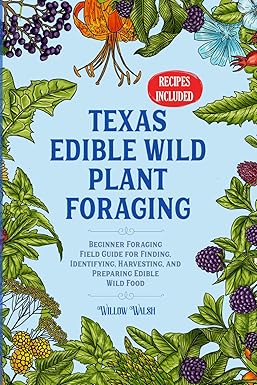
Current printed field guide specific to your geographic region with photos of all growth stages

Get This Item

Aluminum Plant Press Kit with Blotting Paper

Recommended
$35

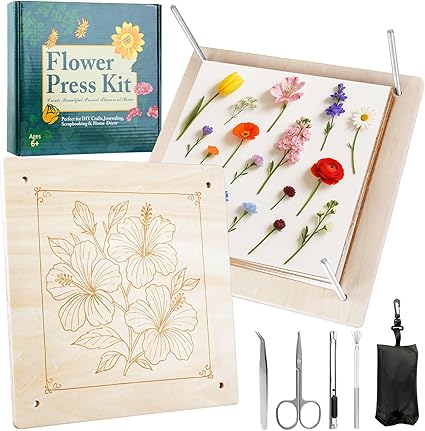
Portable press (12x16 inches) with corrugated aluminum frames and absorbent papers for preserving plant specimens

Get This Item

Seek by iNaturalist App

Recommended
$0

AI-powered plant identification app with community verification and observation database

Get This Item

Soil pH Test Strips (100 count)

Optional
$12

Test strips measuring pH levels from 4.0-9.0 for quick soil analysis

Get This Item

💙 Shopping through these links helps support IRL Sidequests at no extra cost to you. Thanks for making adventures possible!