Urban Foraging Safety & Legality - Nature & Outdoors quest for Intermediate level adventurers

Urban Foraging Safety & Legality

That weed growing through the sidewalk crack might be dinner—if you know the rules.

Share:
3 supplies needed· Estimated total: $60+
View supplies

About This Quest

Learn to forage safely and legally in cities—identify edible plants, understand local regulations, and avoid contaminated areas with expert guidance.

Urban foraging isn't about wandering around eating random plants—it's a skill that demands knowledge of both botany and municipal law. You're navigating a landscape where dandelions grow next to dog piss spots, where property lines determine legality, and where that perfect patch of wild garlic might be soaking up lead from pre-1978 paint chips. The stakes are real: misidentification can land you in the ER, and trespassing can earn you a citation. This quest teaches you the unglamorous but critical foundations: how to identify contamination zones (within 25 feet of roads is your baseline rule), understanding the patchwork of foraging laws across parks and public spaces, and developing the pattern recognition to distinguish edible plants from toxic lookalikes. You'll learn why that abandoned lot isn't actually abandoned in the eyes of the law, and how to spot the signs of pesticide application that make a patch off-limits for weeks. The actual foraging comes later. This is about building your safety framework first—the research habits, legal awareness, and risk assessment that separate sustainable urban foragers from people who end up as cautionary tales. You'll map your local regulations, identify three beginner-safe plants with zero toxic lookalikes, and learn to read an area's contamination history before you harvest anything. Real foraging wisdom isn't romantic—it's methodical.

Duration
2-3 hours
Estimated Cost
$60+
Location
Outdoor
Season
Year-round
Family Friendly
All ages welcome

What You'll Need

Top gear to make this quest great.

Regional Wild Edibles Field Guide (printed)
Regional Wild Edibles Field Guide (printed)Popular

Digital screens wash out in bright sun and drain batteries; printed guides with waterproof pages work in real field conditions. Regional guides include local lookalikes that national books miss.

$18-30
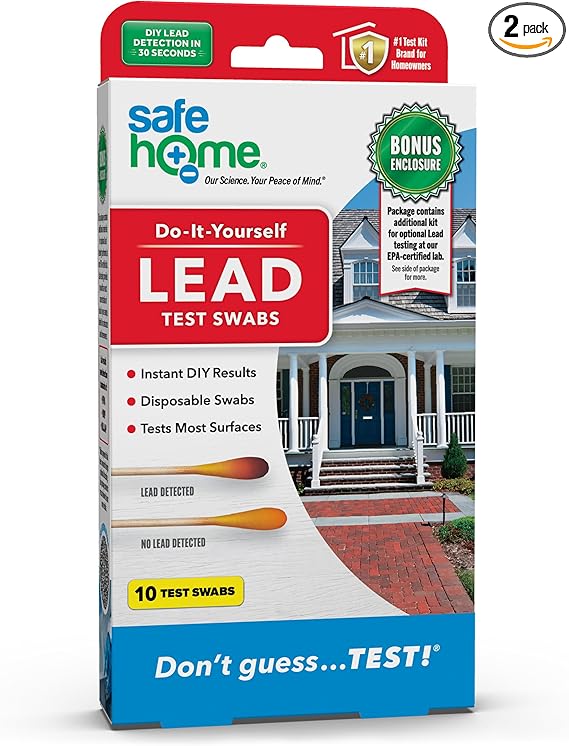
Soil Lead Test Kit
Soil Lead Test Kit

Reveals invisible contamination risks in areas with pre-1978 buildings or industrial history. One-time investment protects against chronic heavy metal exposure from regular harvesting spots.

$20-35
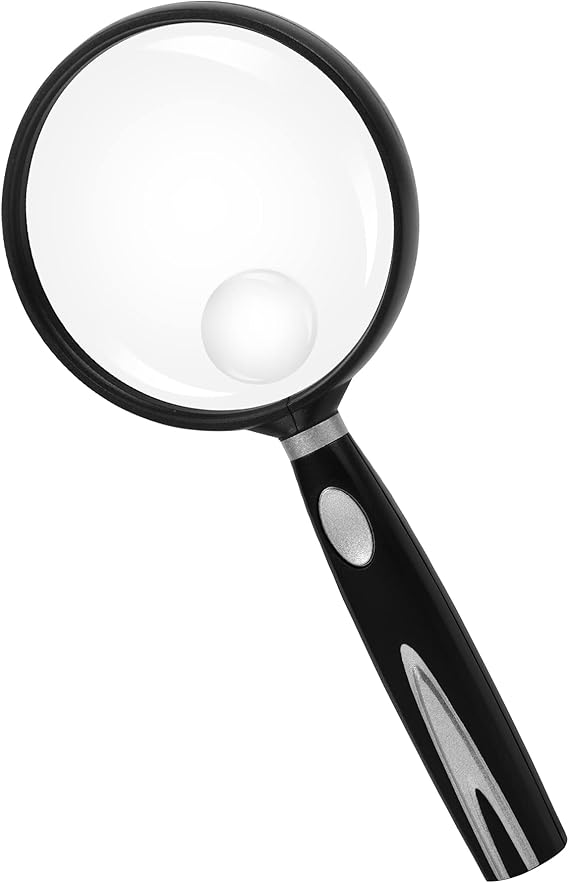
Hand Lens (10x-20x Magnification)

Critical identification features—like whether leaf margins are serrated or smooth, or if stems have fine hairs—are invisible to the naked eye. This separates edibles from toxic lookalikes when characteristics are subtle.

$12-25

As an Amazon Associate I earn from qualifying purchases. Prices may change.

Step-by-Step Guide

1

Research your municipality's foraging regulations online—check parks department websites and city ordinances. Screenshot or save relevant sections. Most cities allow foraging in some public spaces but not others; you need specifics, not assumptions.

2

Download a vetted plant identification app (see supplies) and study the 'Big Three' beginner plants: dandelion (Taraxacum officinale), plantain (Plantago major), and wood sorrel (Oxalis stricta). Learn their toxic lookalikes—dandelion vs. cat's ear, plantain vs. pokeweed seedlings.

3

Walk a potential foraging zone and assess contamination risks. Note: proximity to roads (exhaust particulates settle within 25 feet), evidence of dog traffic, storm drain runoff paths, building age (lead paint zones), and recently mowed/maintained areas (pesticide indicators).

4

Identify property boundaries using your phone's map. Public park doesn't mean all areas are legal—check for posted signs, maintained garden beds (always off-limits), and distinguish between city parks (usually OK with restrictions) and state/federal land (often prohibited).

5

Practice the '100% rule' with your field guide: locate a plant you think is edible, then compare every visible characteristic—leaf shape, stem structure, growth pattern, flower/seed head—against your reference. If 99% matches, it's still a no. Confidence requires 100% certainty across multiple specimens.

6

Document your first three correctly identified plants with photos showing the whole plant, leaf detail, and growing environment. Create a personal field note with location, date, and observations. This becomes your reference library.

7

Test soil pH and contamination if you plan regular harvesting from one spot. Simple lead test kits ($15-25) are worth it for urban environments. Acidic soil (below 6.5 pH) increases heavy metal uptake in plants.

8

Join a local foraging group or take one guided walk with an experienced forager. Online learning has limits—seeing someone demonstrate leaf texture assessment in person builds skills faster. Check community education programs, botanical gardens, or meetup groups.

9

Create a 'no-harvest' mental map: within 25 feet of roads, within 10 feet of building foundations, any area with visible trash accumulation, dog runs, and anywhere you see lawn care flags or fresh mulch (pesticide indicators last 2-4 weeks).

10

Start your actual foraging with minimal quantities—one or two leaves, not handfuls—even from correctly identified plants. Your body needs to test tolerance. Eat only after cooking (heat neutralizes many irritants), and wait 24 hours before consuming more.

Gear Up for Your Quest

Get everything you need to make this quest amazing.

Texas Edible Wild Plant Foraging: Beginner Foraging Field Guide for Finding, Identifying, Harvesting, and Preparing Edible Wild Food (The Foraging Series)

Regional Wild Edibles Field Guide (printed)

EssentialPopular
$16.97
★★★★4.0 (242)

Digital screens wash out in bright sun and drain batteries; printed guides with waterproof pages work in real field conditions. Regional guides include local lookalikes that national books miss.

Printed field guide specific to your region's flora with detailed identification keys and seasonal information

Get on Amazon · $16.97

Plant Identification App with Offline Database

Plant Identification App with Offline Database

Essential
$0-40/year

Provides instant cross-referencing against your field guide and connects to expert communities who can verify uncertain identifications. Offline mode works in areas without cell service.

Apps like iNaturalist (free) or Picture This (paid) with expert verification features and offline botanical databases


Safe Home® Lead in Solids Combo Test Kit – 10 DIY Swabs + Optional Testing at our EPA Certified Lab – Made in the USA for Homeowners & Contractors – (2 Pack)

Soil Lead Test Kit

Recommended
$36.99
★★★★4.2 (118)

Reveals invisible contamination risks in areas with pre-1978 buildings or industrial history. One-time investment protects against chronic heavy metal exposure from regular harvesting spots.

EPA-recognized lead test kit for soil contamination screening in urban environments

Get on Amazon · $36.99

Feosky Handheld Reading Magnifier, 10X Magnifier, 75mm Shatterproof Lens, Non-Slip Handle for Adults Close Work, Seniors Reading and Nature Exploration, Hobby Observation(Silver)

Hand Lens (10x-20x Magnification)

Recommended
$7.99
★★★★4.3 (1,471)

Critical identification features—like whether leaf margins are serrated or smooth, or if stems have fine hairs—are invisible to the naked eye. This separates edibles from toxic lookalikes when characteristics are subtle.

Pocket magnifying loupe for examining leaf margins, stem hairs, and other microscopic plant features

Get on Amazon · $7.99

As an Amazon Associate, IRL Sidequests earns from qualifying purchases at no extra cost to you.

Prices and availability are subject to change. The price shown at checkout on Amazon at the time of purchase will apply.