The dandelions in that vacant lot might be free, but are they safe—and legal—to pick?
Master the safety protocols and legal landscape of urban foraging. Learn identification techniques, contamination risks, and municipal regulations before harvesting city plants.
Urban foraging isn't just about knowing what's edible—it's about knowing what's safe, legal, and actually clean enough to eat. That patch of wild garlic growing next to the subway entrance? Probably soaking up decades of lead and diesel particulates. The mulberries hanging over the park fence? Could be on protected land. Before you harvest anything from city soil, you need to understand contamination zones, property laws, and identification protocols that prevent you from ending up in the ER or small claims court. This quest walks you through the unglamorous but critical foundations: testing soil for heavy metals, understanding the 50-foot rule from roadways, learning which municipal codes actually matter, and building a reference system that prevents deadly misidentification. You'll map contamination risk zones in your neighborhood, contact your city's parks department for harvest permissions, and practice the three-point identification method that separates confident foragers from hospital statistics. The goal isn't to scare you away from urban foraging—it's to make you competent enough that you're not gambling every time you pick something. By the end, you'll have a personalized safety protocol, a legal permissions checklist, and the research skills to expand your foraging knowledge without depending on random internet photos. You'll know why that Instagram-famous forager's advice might get you arrested in your city, and why the pretty purple flowers near the dog park are always a hard pass.
Start by requesting a soil quality map from your city's environmental or health department—many cities have online GIS databases showing historical industrial sites, brownfields, and lead contamination zones. Mark these as permanent no-harvest areas.
Research your local municipal code for foraging regulations. Search terms: '[your city] park foraging ordinance', 'harvesting wild plants public property', 'urban gleaning laws'. Document what's explicitly allowed versus what operates in legal gray areas. Some cities permit personal-use harvesting; others require permits.
Identify three potential foraging sites within walking distance. Use satellite view to check for proximity to roads (minimum 50 feet from heavy traffic), drainage ditches (chemical runoff), treated lawns (pesticide contamination), and dog-walking areas (fecal coliform bacteria).
For your first target plant (start with something unmistakable like dandelions or plantain), create a three-source identification file: a field guide entry, a university extension service page, and a vetted foraging website. Note the lookalike species that could cause confusion—this is where people get poisoned.
Conduct a physical site inspection during daylight. Look for posted signage about pesticide application (usually required by law to display for 24-48 hours), evidence of herbicide drift (dead patches, off-color vegetation), and garbage/debris indicating contamination. Take photos for your records.
If foraging from public parks, contact the parks department directly—call, don't just check the website. Ask specifically: 'Are residents permitted to harvest edible plants for personal use from [specific park name]?' Get the name of who you spoke with and the date. This documentation matters if questioned.
Practice the three-point identification system on your target plant: (1) leaf structure and arrangement, (2) stem characteristics and attachment, (3) root or flower morphology. Never rely on just one feature. Take clear photos of all three points before harvesting anything.
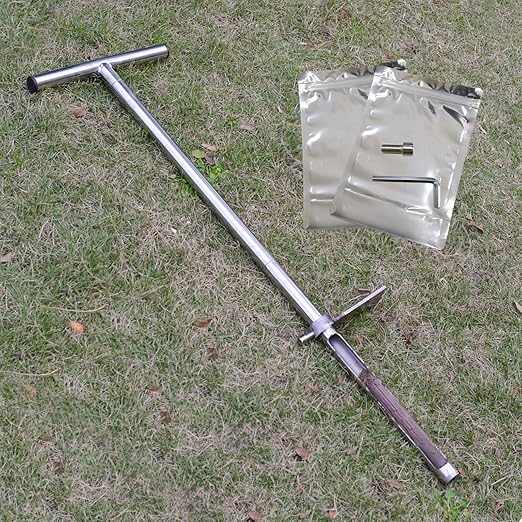
Test your first harvest location by taking a small soil sample from the top 6 inches where you'll be foraging. Home testing kits check for lead, arsenic, and pH—send samples to your state's agricultural extension lab for comprehensive analysis ($20-40, results in 2 weeks). Don't harvest until results return.
Create a contamination-risk assessment checklist for future sites: distance from roads, slope and drainage patterns, historical land use (check old maps at your library), visible pollution indicators, and duration since last mowing/spraying. Assign risk scores to help you make quick field decisions.
Before consuming any foraged item, perform the final safety check: smell (any chemical/fuel odor is automatic discard), visual inspection for disease or insect damage (can indicate stressed plants that concentrate toxins), and the freshness test (wilted or yellowing plants have elevated nitrate levels). Wash everything thoroughly with multiple rinses—grit and microbes hide in leaves.
Start a foraging logbook documenting each location, harvest date, weather conditions, and any observable changes in plant health or site conditions. This longitudinal data helps you identify contamination events and seasonal safety patterns. Note: the same plant can be safe in April and contaminated by July if the city sprays roadsides.
Get everything you need to make this quest amazing.
Professionally published field guide specific to your region with botanical illustrations, not just photos
Get This ItemHome testing kit or lab submission service checking lead, arsenic, cadmium levels in soil samples
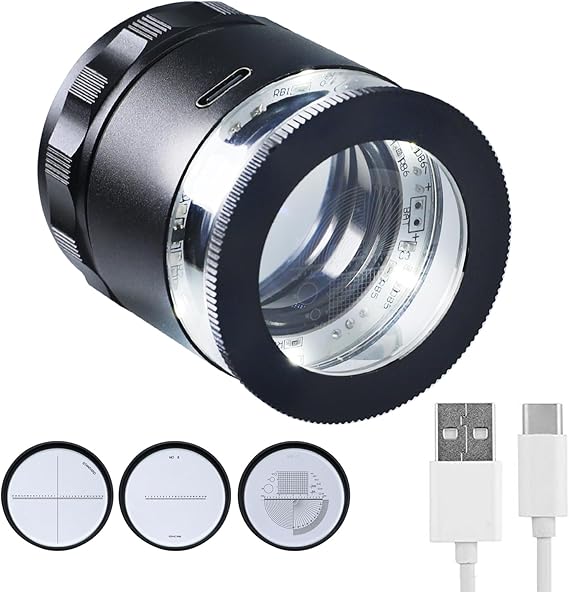
Get This ItemPocket-sized magnification lens for examining leaf edges, stem hairs, and plant surface features
Get This ItemCrowdsourced plant identification app with expert verification and GPS location logging
Get This Item💙 Shopping through these links helps support IRL Sidequests at no extra cost to you. Thanks for making adventures possible!
Hand-selected quests our team thinks you'll love

Cozy, gooey, unforgettable nights.

Turn your kitchen into a mad scientist’s bar.

Sharpshooter bragging rights start here.