Urban Foraging Processing & Recipes - Nature & Outdoors quest for Intermediate level adventurers

Urban Foraging Processing & Recipes

That 'weed' in the sidewalk crack? It's dinner.

Share:
4 supplies needed· Estimated total: $60+
View supplies

About This Quest

Learn to safely process and cook wild urban edibles. From dandelion greens to black walnuts, turn street finds into real meals.

Urban foraging isn't just about finding wild food—it's about knowing what to do with it once you get home. Most people stop at identification, but the real skill is in processing: removing the bitter compounds from acorns, blanching dock leaves to cut the oxalic acid, or knowing which parts of the sumac to use for tea. This quest takes you through the kitchen workflow that turns sidewalk discoveries into actual food. You'll work with common urban edibles available in most North American cities: dandelion (roots, greens, flowers), plantain, purslane, wood sorrel, chickweed, lamb's quarters, and if you're lucky, black walnuts or mulberries. The processing varies wildly—dandelion roots need roasting and grinding, while purslane goes straight into the pan. Some require multiple water changes, others need drying, and a few are best preserved immediately. The kitchen counter becomes your workspace. You'll sort through your harvest, remove damaged leaves, check for insects (they happen), and follow specific prep sequences. Morning harvests taste different than afternoon ones—the sun changes the chemistry in leaves. By the end, you'll have tangible results: a jar of dandelion root coffee, a batch of wood sorrel pesto, or pickled purslane stems. This isn't abstract knowledge—it's food you made from plants most people spray with herbicide.

Duration
2-4 hours
Estimated Cost
$60+
Location
Both
Season
Year-round
Family Friendly
All ages welcome

What You'll Need

Top gear to make this quest great.

Foraging Guide Book (Regional)
Foraging Guide Book (Regional)Popular

Digital screens fail in bright sun and battery dies—a waterproof book lets you verify plants on-site and cross-reference at home during processing when you're double-checking identification

$15-30
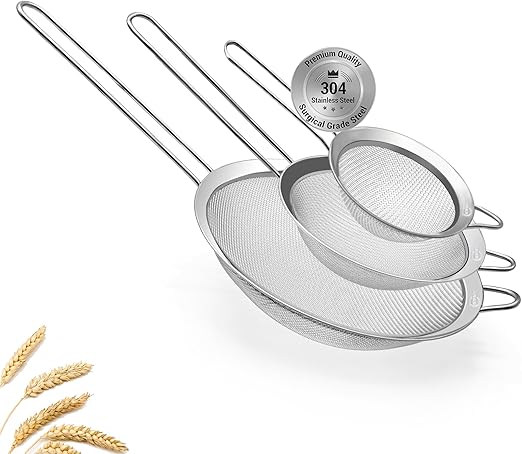
Fine-Mesh Strainer Set (Multiple Sizes)

Wild foods often contain tiny seeds, grit, or need multiple rinse cycles—fine mesh catches particulates that regular colanders miss, especially critical for flower processing and making clear syrups

$20-35
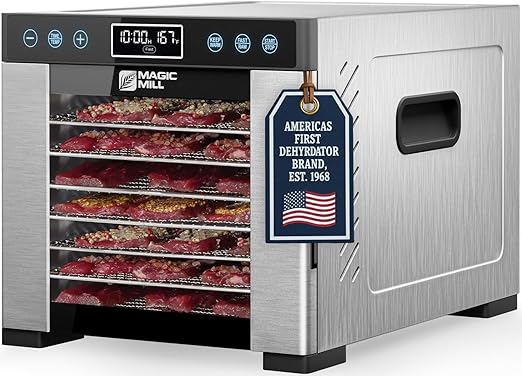
Dehydrator with Temperature Control

Preserves your harvest properly—air drying takes days and risks mold, while a dehydrator processes herbs and mushrooms in hours at optimal temperatures that maintain flavor and medicinal properties

$40-80
View all 4 supplies

As an Amazon Associate I earn from qualifying purchases. Prices may change.

Step-by-Step Guide

1

Start with positive identification review: Spread your foraged items on a clean surface and re-verify each plant against field guides or apps. When in doubt, toss it out. Check for contamination signs—avoid anything within 10 feet of treated lawns or road salt zones.

2

Initial cleaning protocol: Shake out debris outdoors. Fill a large bowl with cold water and submerge greens for 5 minutes—this lets dirt and insects settle or float. Lift greens out (don't drain) and repeat twice. Pat dry with towels or use a salad spinner.

3

Sort by processing method: Group items into categories: (1) Eat raw after washing (wood sorrel, young chickweed), (2) Requires blanching (older dandelion greens, dock), (3) Needs dehydration (medicinal teas, root preparations), (4) Immediate cooking (purslane, lamb's quarters).

4

Process bitter greens: For dandelion or dock, bring a pot of water to boil. Blanch greens for 2 minutes, drain, rinse with cold water. Taste a leaf—if still bitter, repeat the process. This removes oxalic acid and mellows tannins. Squeeze out excess water before cooking.

5

Root processing (dandelion coffee): Scrub roots thoroughly under running water. Chop into 1/4-inch pieces. Spread on a baking sheet and roast at 200°F for 2-3 hours until dark brown and brittle. Grind in a coffee grinder. Brew like coffee using 2 tablespoons per cup of water.

6

Quick sauté method: Heat olive oil in a pan over medium-high heat. Add your processed greens (purslane, lamb's quarters, blanched dandelion). Cook 3-5 minutes until wilted. Add garlic in the last minute. Season with salt, lemon juice, and red pepper flakes. This works for 90% of foraged greens.

7

Wood sorrel pesto recipe: Combine 2 cups wood sorrel leaves, 1/3 cup nuts (walnuts or sunflower seeds), 1/4 cup olive oil, 2 garlic cloves, and salt in a food processor. Pulse until chunky-smooth. The sorrel's lemony oxalis gives a citrus punch without adding lemon.

8

Berry processing (mulberries, serviceberries): Rinse gently—they bruise easily. Eat fresh, or simmer with equal parts sugar for 20 minutes to make syrup. Strain through cheesecloth. Store in sterilized jars. Use on pancakes or mix with seltzer for homemade soda.

9

Drying for tea: Spread leaves or flowers (like violet or red clover) on screens or baking sheets. Place in a warm, dark, well-ventilated spot for 3-5 days until crispy. Store in glass jars away from light. Use 1 tablespoon per cup of boiling water, steep 5-10 minutes.

10

Pickling wild edibles: Make a basic brine (1 cup vinegar, 1 cup water, 2 tablespoons sugar, 1 tablespoon salt). Bring to boil. Pack cleaned purslane stems, garlic mustard seed pods, or young burdock stems into jars. Pour hot brine over, seal, and refrigerate. Ready in 3 days.

11

Document your results: Take photos of the finished dishes. Note what worked and what tasted off. Record harvest dates and locations—mulberries on 5th Street ripen two weeks before the park trees. This creates your personal foraging calendar for next year.

Gear Up for Your Quest

Get everything you need to make this quest amazing.

The Forager’s Guide to Wild Foods

Foraging Guide Book (Regional)

EssentialPopular
$36.00
★★★★★4.7 (5,893)

Digital screens fail in bright sun and battery dies—a waterproof book lets you verify plants on-site and cross-reference at home during processing when you're double-checking identification

Physical field guide specific to your region's wild edibles with clear photos and look-alike warnings

Get on Amazon · $36.00

3 Fine Mesh Strainers Set with Handle for Kitchen - Sizes 7", 4.7", 3.3", Easy Clean 304 Stainless Steel, Comfortable Non-Slip Grip. Ideal for Tea, Coffee, Rice, Quinoa, Veggies & Fruits

Fine-Mesh Strainer Set (Multiple Sizes)

Essential
$20.49
★★★★★4.5 (78)

Wild foods often contain tiny seeds, grit, or need multiple rinse cycles—fine mesh catches particulates that regular colanders miss, especially critical for flower processing and making clear syrups

Set of three stainless steel strainers including one very fine mesh for seed removal and liquid straining

Get on Amazon · $20.49

Magic Mill Pro Food Dehydrator Machine | Powerful 600W Rear Fan Even-Drying System | 7 Full-Size Stainless Steel Trays | 95°-176° Temperature Control, 48H Timer, Keep Warm + Auto Shutoff | ETL Listed

Dehydrator with Temperature Control

Recommended
$127.17
★★★★★4.7 (7,287)

Preserves your harvest properly—air drying takes days and risks mold, while a dehydrator processes herbs and mushrooms in hours at optimal temperatures that maintain flavor and medicinal properties

Electric food dehydrator with adjustable heat settings and stackable trays

Get on Amazon · $127.17

PictureThis or iNaturalist App (Premium)

PictureThis or iNaturalist App (Premium)

Recommended
$30/year

Provides instant preliminary ID with confidence scores and allows you to submit to expert botanists for verification—the premium version includes toxicity warnings and detailed edibility information

AI-powered plant identification app with expert verification community and offline database


M11 Electric Mason Jar Vacuum Sealer Kit - with Wide and Regular Mouth Mason Lids, Jar Vacuum Sealer for Canning Jars, Vacuum Sealing Machine for Food Storage Black

Vacuum Sealer with Jar Attachments

Optional
$25.49
★★★★4.3 (8,369)

Extends shelf life of dried teas and dehydrated foods from months to years by removing oxygen—prevents flavor loss and keeps medicinal properties intact longer than regular jar storage

Vacuum sealing system with Mason jar lid attachments for preserving dried herbs and processed foods

Get on Amazon · $25.49

As an Amazon Associate, IRL Sidequests earns from qualifying purchases at no extra cost to you.

Prices and availability are subject to change. The price shown at checkout on Amazon at the time of purchase will apply.