IRL Sidequests
Urban Foraging Processing & Preservation - Nature & Outdoors quest for Intermediate level adventurers

Urban Foraging Processing & Preservation

You found the plants—now keep them from rotting in your fridge.

About This Quest

Learn field-tested methods for safely processing, storing, and preserving urban foraged finds—from wild greens to medicinal plants.

Most foraging content stops at identification. That's where beginners fail—they collect dandelion greens on Saturday and by Tuesday there's a brown sludge blob in the crisper drawer. Processing and preservation is where casual plant-picking becomes a genuine skill. This quest teaches you field-tested methods to clean, dry, ferment, and store urban foraged goods so they're actually usable weeks or months later. You'll work through multiple preservation techniques tailored to what you actually find in cities: leafy greens that wilt fast, berries that mold overnight, roots that need proper curing, and medicinal plants that lose potency if dried wrong. The focus is practical—using kitchen equipment you have or can improvise, with storage solutions that work in apartments. You'll learn when to dehydrate versus freeze, how to make shelf-stable tinctures, and which plants are worth the effort versus which ones you should just eat fresh. This isn't precious farmhouse aesthetics. It's about building a rotation where you're consistently using what you collect instead of letting it die in Tupperware. By the end, you'll have labeled jars, frozen packets, and a basic preservation system that matches your actual foraging rhythm.

Duration
2-4 hours
Estimated Cost
$60+
Location
Both
Season
Year-round
Family Friendly
All ages welcome

Step-by-Step Guide

1

Clean your forage immediately after collection. Fill a large bowl with cold water, submerge plants, agitate gently to dislodge dirt and insects. Lift plants out rather than dumping water—debris sinks. For leafy greens like chickweed or lamb's quarters, do two washes. Spin dry in a salad spinner or roll gently in clean towels. Work in small batches so nothing sits wet for hours.

2

Sort by preservation method based on plant type and moisture content. Delicate leaves (violet, chickweed) should be eaten within 2-3 days or frozen immediately. Hardy greens (dandelion, dock) can be blanched and frozen or dehydrated. Berries freeze best. Roots need washing, chopping, and either dehydrating or tincturing. Flowers dry whole on screens. Make these decisions within 4 hours of collecting.

3

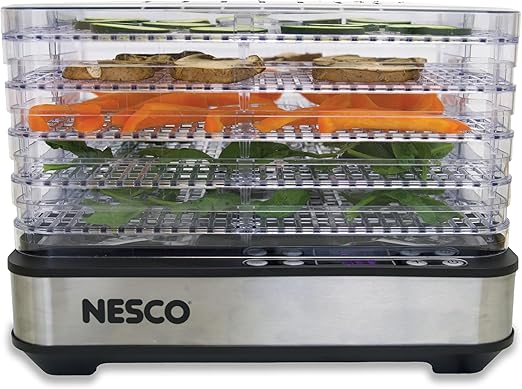
Set up a dehydration station for herbs and medicinal plants. If using a dehydrator, spread plants in single layers on trays at 95-115°F until crispy-dry (6-24 hours depending on moisture). For air-drying, bundle stems and hang upside-down in a dark, ventilated space, or lay leaves on mesh screens. Check daily—any moisture means mold risk. Properly dried plants snap rather than bend.

4

Blanch and freeze greens you'll use for cooking. Bring a pot of water to boil, submerge cleaned greens for 30-90 seconds (just until they wilt and turn bright), then shock immediately in ice water. Squeeze out excess moisture, portion into freezer bags removing as much air as possible, label with plant name and date. These store 8-12 months and drop straight into soups or sautés.

5

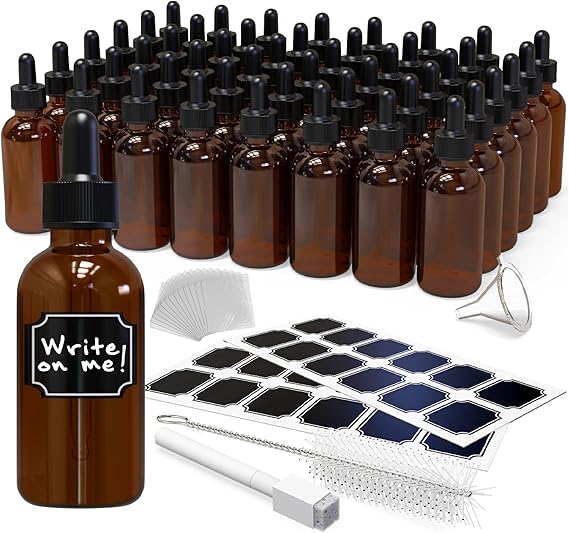
Make alcohol tinctures for medicinal plants like plantain or mugwort. Chop fresh or dried plant material, pack into a clean glass jar filling 1/3 to 1/2 full. Cover completely with 80-100 proof alcohol (vodka works), ensuring no plant matter is exposed to air. Label with plant name, date, and alcohol type. Store in a dark cabinet, shaking every few days. Strain after 4-6 weeks through cheesecloth, bottle in dark dropper bottles.

6

Label everything with species name, date collected, and preservation date. Use masking tape and permanent marker for jars, freezer-safe labels for bags. Include location if you harvest from multiple spots. This matters more than you think—six months from now, you won't remember which jar is lemon balm versus catnip, or whether those berries are from the clean park or near the highway.

7

Create a storage system that keeps dried goods dark, cool, and airtight. Glass jars with tight lids work best—light degrades plant compounds over time. Store jars in a cabinet or pantry, not on open shelves. Check monthly for any moisture, mold, or pest activity. Whole dried leaves keep potency longer than crumbled, so crush only what you'll use within a week. Most dried plants stay potent 6-12 months; after that they're still safe but flavor and medicinal value fade.

Gear Up for Your Quest

Get everything you need to make this quest amazing.

Fine Mesh Straining Bags (100-micron)

Essential
$8-12

Reusable nylon mesh bags designed for straining tinctures and infusions

Get This Item

Countertop Food Dehydrator (4+ trays)

Recommended
$40-80

Electric appliance with stackable mesh trays and adjustable temperature control for even drying

Get This Item

Amber Glass Dropper Bottles (2oz, pack of 6)

Recommended
$12-18

Dark glass bottles with dropper tops for storing liquid tinctures

Get This Item

Vacuum Sealer with Bags

Optional
$35-60

Compact sealing machine that removes air from plastic bags before sealing

Get This Item

💙 Shopping through these links helps support IRL Sidequests at no extra cost to you. Thanks for making adventures possible!