Urban Foraging Preservation & Recipes - Nature & Outdoors quest for Intermediate level adventurers

Urban Foraging Preservation & Recipes

That 'weed' growing through the sidewalk crack might be your next dinner ingredient.

Share:
5 supplies needed· Estimated total: $60+
View supplies

About This Quest

Learn to identify, harvest, and preserve edible wild plants in your city, then transform them into shelf-stable foods using traditional preservation techniques.

Cities are full of edible plants growing in parks, vacant lots, and sidewalk edges—dandelion greens, purslane, wild garlic, mulberries, elderflowers. Most people walk past them daily without recognizing their food value. This quest teaches you to safely identify common urban edibles, harvest them responsibly, and preserve them using methods that don't require fancy equipment: fermentation, dehydration, vinegar infusions, and simple syrups. You'll start by learning the critical identification markers for 5-7 beginner-friendly species in your region. Foraging isn't about eating everything green—it's about absolute certainty before consumption. You'll photograph specimens, cross-reference multiple field guides, and practice the 'look-alike test' that separates edible plants from toxic imposters. Then comes the harvest: early morning when moisture content is optimal, using clean cuts that allow regrowth, taking only 10-20% from any location. The preservation phase transforms your foraged haul into ingredients you'll actually use. Fermented wild garlic becomes a probiotic-rich condiment. Dehydrated violet flowers turn into tea that steeps purple. Elderflower syrup flavors cocktails and sodas for months. You're not just preserving food—you're capturing the taste of a specific place and moment, building a pantry that tells the story of your city's hidden abundance.

Duration
3-4 hours per session
Estimated Cost
$60+
Location
Outdoor
Season
Year-round
Family Friendly
All ages welcome

What You'll Need

Top gear to make this quest great.

Regional Foraging Field Guide (physical book)
Regional Foraging Field Guide (physical book)Popular

Digital photos don't work when you're in the field with no signal. A physical guide lets you compare live specimens side-by-side with illustrations, and includes critical safety information about toxic mimics that generic apps miss

$18-35
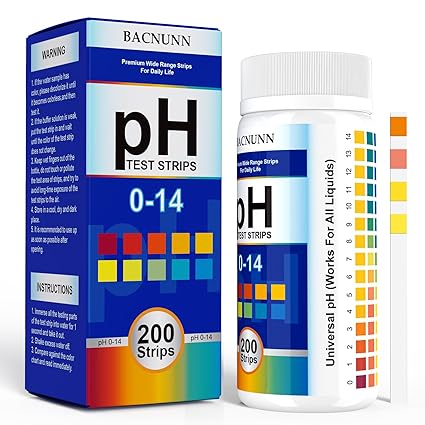
pH Test Strips (4.5-7.5 range)

Confirms your ferments reached safe acidity levels (below pH 4.6) to prevent botulism risk. Essential when fermenting wild foods you're less familiar with, since different plants ferment at different rates

$8-12
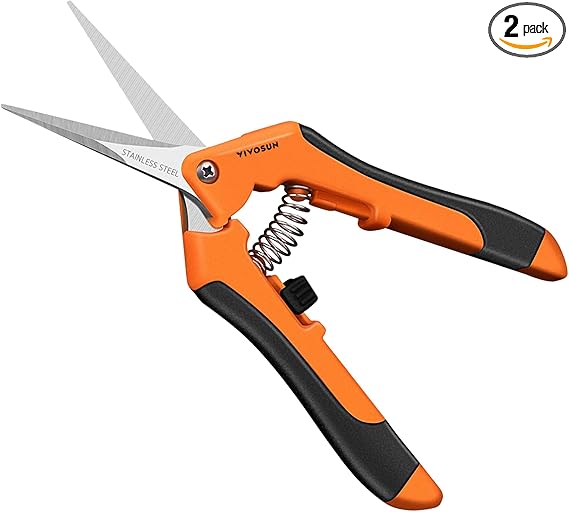
Pruning Snips with Curved Blade

Clean cuts heal faster and encourage regrowth, making your foraging sustainable. Tearing plants by hand damages stems and invites disease. The curved blade reaches into plant rosettes without crushing neighboring growth

$12-20
View all 5 supplies

As an Amazon Associate I earn from qualifying purchases. Prices may change.

Step-by-Step Guide

1

Research your local foraging regulations—some parks prohibit harvesting, others allow personal-use quantities. Download your city's park district guidelines and note any protected species lists.

2

Start with the 'Foolproof Five' urban edibles: dandelion (entire plant), purslane (succulent stems), wood sorrel (clover-like leaves), lamb's quarters (triangular leaves with white coating), plantain (parallel-veined leaves in rosettes). Print color photos showing multiple growth stages.

3

Scout 3-4 locations at least 50 feet from roads (lead contamination from exhaust), away from treated lawns (pesticides), and distant from dog-walking routes. Look for parks, community gardens, and abandoned lots with diverse plant growth.

4

Make your first foraging walk a pure identification mission—no harvesting. Photograph 10-15 specimens you think match your target species. Note location, soil type, and neighboring plants. Spend that evening with field guides confirming IDs using three distinct features per plant.

5

Return for harvest between 7-9 AM when plants are most hydrated. Bring scissors for clean cuts, a breathable cloth bag (not plastic), and gloves if handling plants with irritating sap. Harvest only from areas where the plant is abundant—take scattered individuals, never clear patches.

6

Process your harvest within 2 hours. Rinse in cool water, removing dirt and insects. Sort by preservation method: tender leaves for fermentation, mature leaves for dehydration, flowers for syrups, roots for vinegar infusions.

7

For fermentation: Chop greens, massage with 2% salt by weight until they release liquid, pack tightly into a jar submerging under brine, ferment at room temperature 5-7 days tasting daily. This works brilliantly for wild garlic, dandelion greens, and plantain.

8

For dehydration: Spread clean, dry plant material on mesh screens in a well-ventilated space out of direct sunlight, or use a dehydrator at 95-115°F. Leaves should crumble when fully dry (1-3 days). Store in airtight glass jars labeled with species and harvest date.

9

For syrups: Make a 1:1 simple syrup, add flowers or aromatic leaves, steep for 20-30 minutes off heat, strain through cheesecloth, bottle, and refrigerate. Elderflower, violet, and rose syrup stay good for 3-4 weeks refrigerated, longer if you add citric acid.

10

Create a foraging journal documenting each species: ID photos, harvest locations (use landmarks not GPS—keeps spots private), phenology notes (flowering dates, seed production), and recipe results. This becomes your personalized field guide.

11

Test your preserves in simple recipes first: fermented greens in scrambled eggs, dried herb teas, floral syrups in sparkling water. Once you trust your identification skills and preservation methods, expand to compound recipes like wild pesto, foraged bitters, or seasonal shrubs.

Gear Up for Your Quest

Get everything you need to make this quest amazing.

Texas Edible Wild Plant Foraging: Beginner Foraging Field Guide for Finding, Identifying, Harvesting, and Preparing Edible Wild Food (The Foraging Series)

Regional Foraging Field Guide (physical book)

EssentialPopular
$16.97
★★★★4.0 (242)

Digital photos don't work when you're in the field with no signal. A physical guide lets you compare live specimens side-by-side with illustrations, and includes critical safety information about toxic mimics that generic apps miss

Region-specific field guide with detailed photos, toxic look-alike warnings, and seasonal availability charts for your area

Get on Amazon · $16.97

pH Test Strips 0-14: 200 Strips Universal Litmus Paper pH Test Strips for Liquid Testing & Water & Food and Soap Making, Get Highly Accurate Results in Seconds

pH Test Strips (4.5-7.5 range)

Essential
$13.99
★★★★4.4 (434)

Confirms your ferments reached safe acidity levels (below pH 4.6) to prevent botulism risk. Essential when fermenting wild foods you're less familiar with, since different plants ferment at different rates

Paper test strips that measure acidity levels in fermented foods and infusions

Get on Amazon · $13.99

VIVOSUN 2-Pack 6.5 Inch Gardening Scissors Hand Pruner Pruning Shear with Straight Stainless Steel Blades Orange

Pruning Snips with Curved Blade

Essential
$9.49
★★★★★4.6 (64,329)

Clean cuts heal faster and encourage regrowth, making your foraging sustainable. Tearing plants by hand damages stems and invites disease. The curved blade reaches into plant rosettes without crushing neighboring growth

Small, sharp pruning shears designed for clean cuts on herbaceous plants

Get on Amazon · $9.49

Masontops Pickle Pipes - Airlock Fermentation Lids - Fermentation Kit for Small Mouth Mason Jar Sauerkraut & Pickle Kit Fermentation Jar not Included

Fermentation Weight Set with Airlock Lids

Recommended
$21.99
★★★★★4.7 (4,550)

Prevents mold growth by keeping your foraged greens below the brine line, and allows CO2 to escape during fermentation without letting oxygen in—the difference between successful fermented wild garlic and a jar of brown mush

Glass or ceramic weights that keep plant material submerged during fermentation, plus silicone airlock lids for standard mason jars

Get on Amazon · $21.99

Herb Drying Rack Hanging Mesh, Large 7 Layer Plant Drying Rack with Door Type Zipper & Closed Storage Compartment for Folding Basket Dryer Fiting in Grow Tents, Garden Outdoor

Collapsible Drying Rack (4-6 tier mesh screens)

Recommended
$23.99
★★★★★4.7 (57)

Dramatically increases your drying capacity so you can process a full foraging haul at once instead of in tiny batches. The mesh allows airflow from all sides, cutting drying time in half compared to spreading leaves on cloth

Stackable mesh screens designed for herb and flower drying, with zippered cover to keep out insects and dust

Get on Amazon · $23.99

As an Amazon Associate, IRL Sidequests earns from qualifying purchases at no extra cost to you.

Prices and availability are subject to change. The price shown at checkout on Amazon at the time of purchase will apply.