Your city's sidewalks are lined with dinner—you just need to know where to look.
Learn to identify, harvest, preserve, and cook wild edibles from your city. From dandelion greens to mulberries, turn urban spaces into your free pantry.
Urban foraging isn't some survivalist fantasy—it's about recognizing that lamb's quarters growing in that empty lot has more nutrients than the kale at Whole Foods, and it's free. I've pulled enough purslane from sidewalk cracks to make a month's worth of pickles, and found mulberry trees dropping fruit onto parked cars every June in my neighborhood. The preservation part matters because urban foraging is seasonal and opportunistic. You can't plan it like a grocery run. When the elderflowers bloom for two weeks in early summer, you either make cordial then or wait another year. This quest walks you through the full cycle: identifying truly safe edibles (not just edible-looking plants), harvesting without destroying the source or breaking laws, and preserving what you find through fermentation, pickling, or dehydration. The cooking component teaches you to treat foraged ingredients like the premium produce they are—not just survival food. That wild garlic growing near the park makes a better pesto than anything store-bought, but only if you know when to harvest it (before it flowers) and how to balance its intense flavor. You'll need a solid field guide because one wrong identification can ruin your week—or worse. I've watched confident beginners confuse hemlock for wild carrot until someone pointed out the purple spots on the stem. The dehydrator recommendation comes from experience: air-drying works in theory, but city humidity and pollution make it unreliable. A basic dehydrator pays for itself after one season of preserving foraged mushrooms and herbs.
Top gear to make this quest great.

Generic foraging books miss local species and seasonal timing. A regional guide shows exactly what grows in your city's climate and helps avoid deadly misidentification. The waterproof feature matters when you're checking plants after rain.

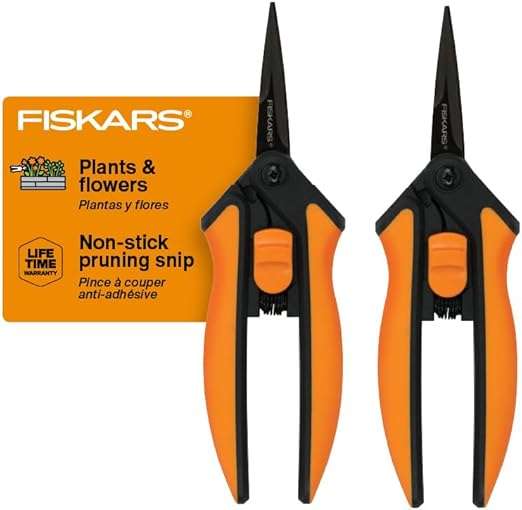
Clean cuts prevent plant disease and enable regrowth. Tearing or using dull tools kills the plant colony and ruins your future harvesting spot. These also keep you from touching potentially irritating plants directly.

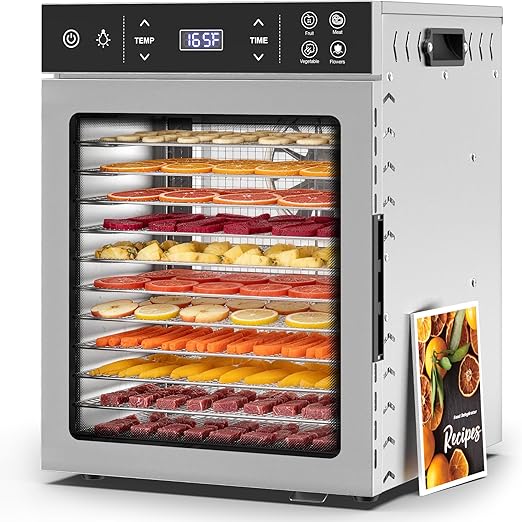
Urban air-drying is unreliable due to humidity and pollution. A dehydrator preserves your harvest efficiently and prevents mold. Temperature control matters—too hot destroys nutrients, too cool allows spoilage. Pays for itself after one season.
As an Amazon Associate I earn from qualifying purchases. Prices may change.
Get educated first: Spend 2-3 hours with your field guide studying the 5-10 most common urban edibles in your region (dandelion, plantain, purslane, wood sorrel, chickweed). Focus on look-alikes and toxic twins. Make flash cards if needed—this isn't optional knowledge.
Scout your neighborhood between 7-9 AM when light is best for identification. Walk alleys, park edges, vacant lots, and unmowed public spaces. Mark locations on your phone where you find potential edibles, but don't harvest yet. Note what grows where—dandelions love disturbed soil, wood sorrel prefers shade, purslane thrives in sidewalk cracks.
Return to each location and positively identify plants using your guide. Check every identification marker: leaf shape, arrangement, stem characteristics, smell. Take photos of the whole plant and close-ups. If you're not 100% certain, leave it. I still skip plants when I'm 95% sure—that 5% isn't worth it.
Harvest ethically during a second visit with your foraging scissors and bags. Take only 1/3 of any plant colony. Cut, don't yank. Avoid areas within 10 feet of roads (lead contamination), places where dogs congregate, or spots that smell like pesticides. Morning after dew dries is ideal—plants are hydrated but not wet.
Process your harvest within 4 hours. Wash thoroughly in cold water three times—city plants collect diesel particulates and dust. Sort by preservation method: delicate greens for immediate eating, robust leaves for dehydration, fruits for fermentation or vinegar infusions, flowers for cordials.
Dehydrate herbs and greens at 95-115°F until crispy (4-8 hours). Store in glass jars with oxygen absorbers. Make quick pickles with any alliums or firm shoots: boil 1 part vinegar, 1 part water, 1 tbsp salt per cup, pour over packed jars, refrigerate. Ferment foraged greens like cabbage: 2% salt by weight, submerged in brine, room temp for 5-7 days.
Cook a test meal using your smallest batch first. Treat foraged ingredients as the star: wild garlic becomes pasta with just olive oil and lemon, dehydrated mushrooms rehydrate in wine for risotto, pickled wild onion tops go on everything. Taste as you cook—wild flavors are more intense and variable than cultivated versions.
Document everything: what you found, where, when, how it tasted, what worked in preservation. Urban foraging spots can disappear (development, mowing schedules change), so keeping records means you can return to productive areas or adapt when they vanish.
Get everything you need to make this quest amazing.

Generic foraging books miss local species and seasonal timing. A regional guide shows exactly what grows in your city's climate and helps avoid deadly misidentification. The waterproof feature matters when you're checking plants after rain.
Waterproof, pocket-sized identification guide specific to your region with clear photos of edibles and their toxic look-alikes
Get on Amazon · $16.97
Clean cuts prevent plant disease and enable regrowth. Tearing or using dull tools kills the plant colony and ruins your future harvesting spot. These also keep you from touching potentially irritating plants directly.
Sharp, stainless steel herb scissors or Japanese bonsai shears for clean cuts
Get on Amazon · $28.73
Urban air-drying is unreliable due to humidity and pollution. A dehydrator preserves your harvest efficiently and prevents mold. Temperature control matters—too hot destroys nutrients, too cool allows spoilage. Pays for itself after one season.
Electric dehydrator with temperature control and stackable trays
Get on Amazon · $149.99
Essential for pickling and fermenting foraged ingredients. Wide mouths make packing leafy greens easier. Glass prevents flavor contamination that plastic causes. Standard sizing means lids are always available.
Glass canning jars with two-piece lids for storage and fermentation
Get on Amazon · $24.99
Proper fermentation requires exact salt percentages (2% by weight). Guessing leads to spoilage or over-salted food. Also crucial for rehydrating dried foraged ingredients at correct ratios.
Compact scale that measures in grams with decimal precision
Get on Amazon · $249.00As an Amazon Associate, IRL Sidequests earns from qualifying purchases at no extra cost to you.
Prices and availability are subject to change. The price shown at checkout on Amazon at the time of purchase will apply.
Hand-selected quests our team thinks you'll love

Your neighborhood has more species than you think—time to prove it.

Your city's wilder than you think—you just need to know where to look.

That flash of red in the oak tree isn't just background noise anymore.